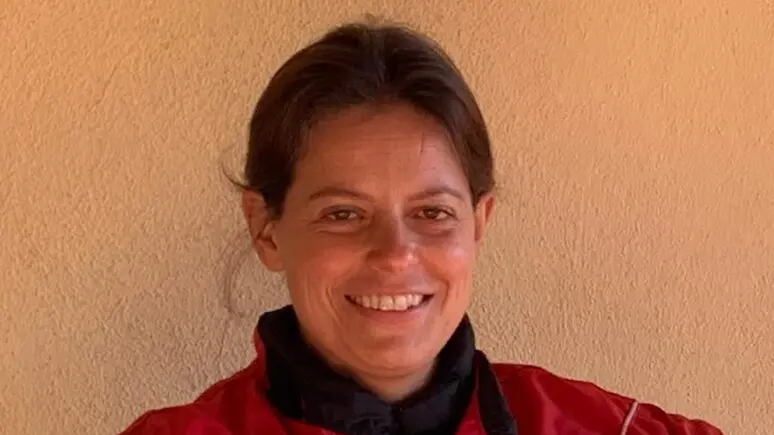


It has now been 11 months since he entered the cell in Budapest. Ilaria Salis, the young anti-fascist militant of Sardinian origins accused of attacking some neo-Nazis during the Day of Honor demonstrations , writes another letter to describe the conditions in which she spends her days , awaiting the trial which will begin on January 29th . He sent thirteen pages full of details to his lawyers, in which he reiterates his situation and explains how he will have to face the judges at the end of the month. It will all happen "from a transit cell", as large "as a wardrobe". She will not be free: she will have " handcuffs , a belt attached to the handcuffs" and an additional handcuff "to which a leash is attached". Furthermore, in the penitentiary everything proceeds as it had already been reported, with a " food situation - defined by Salis - catastrophic ".
The initial accusation against the woman was that of injury "against a member of the community". But during the preliminary investigation phase the aggravating circumstance was dropped. From the initial 24 months of the sentence he now risks 16 (maximum). She was also offered an 11-month plea deal, which she declined. The two victims never filed a complaint. In Italy (subject to a complaint) a similar case would constitute the crime of minor injuries. Hence the request to the Italian government to bring the 39-year-old home , to serve her precautionary custody in her country. But for now there have been no concrete answers. "We cannot remain silent about the unacceptable silence of the government and Prime Minister Giorgia Meloni in the face of the detention of the Italian citizen Ilaria Salis for a year in Budapest," said the group leader of the Democratic Party in the European Chamber, Brando Benifei . «A silence revealing the cultural subservience towards anti-democratic worlds of a part of the right that claims to sit in the government rooms of the European institutions».