

The flavors of Oristano in the Malaga sea
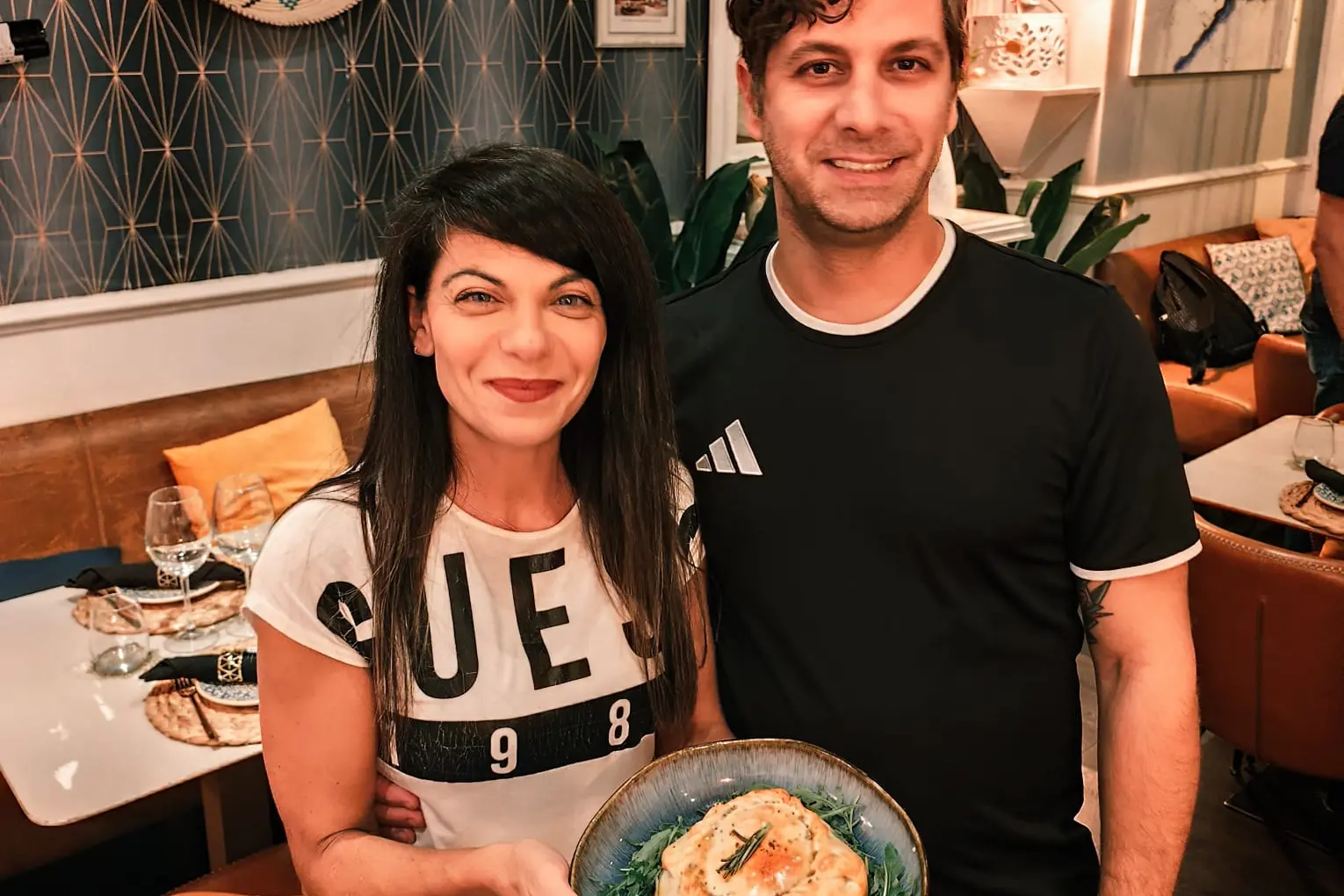
The journey of Damiano Neris and Carolina Rossetti, owners of "L'Assaggio" in Torre del Mar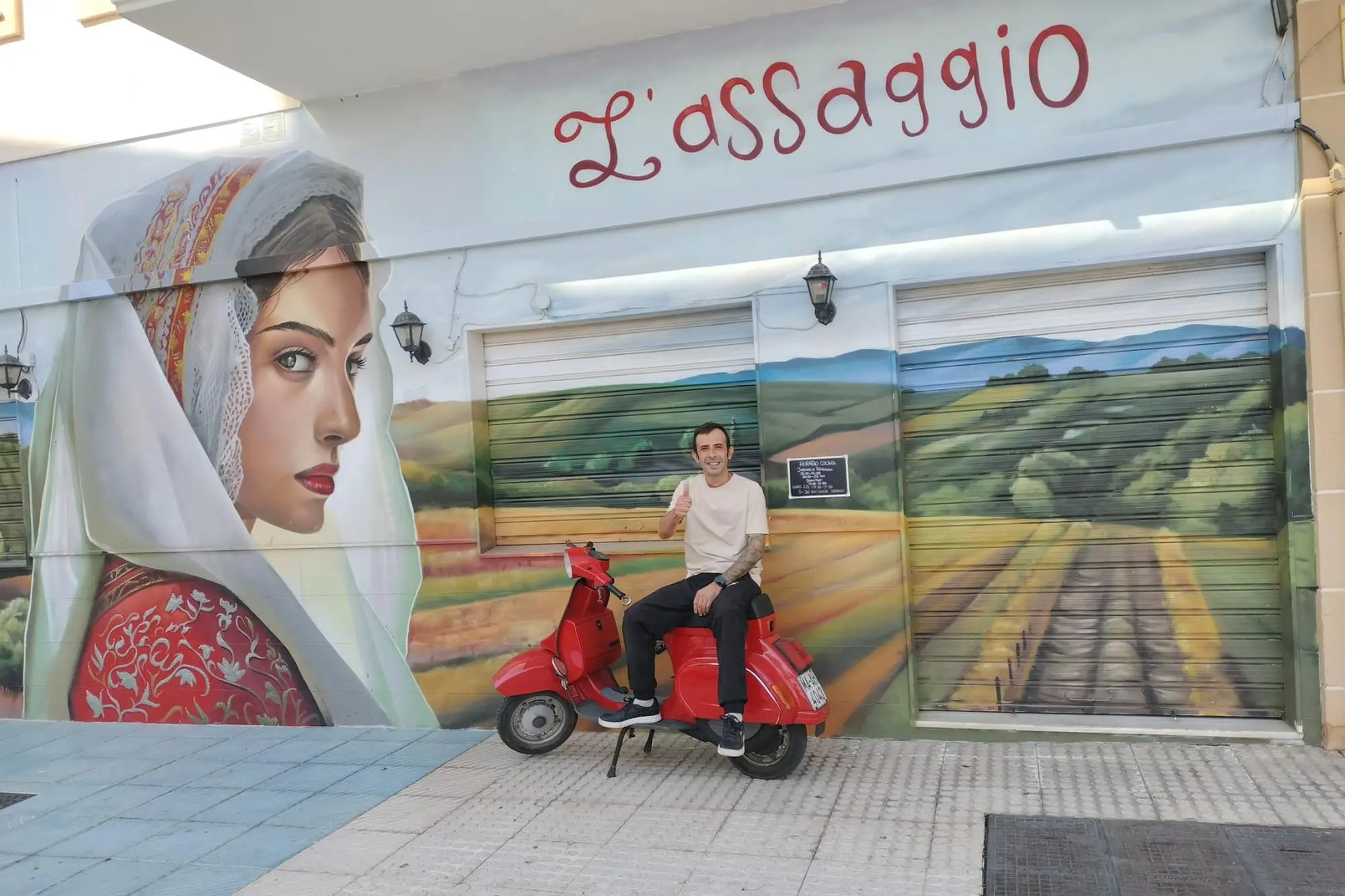
Per restare aggiornato entra nel nostro canale Whatsapp
Jorge Valdano said: “ In the age of highways, Riquelme prefers to take scenic routes to fill your eyes with wonder.” The phrase fits like a glove the life trajectories of Damiano Neris and Carolina Rossetti , owners of L'Assaggio in Torre del Mar , on the Malaga coast.
The two's journey was a bit of an odyssey before opening the restaurant that is slowly establishing them as a gastronomic reference point on the Costa del Sol for homemade artisanal pasta.
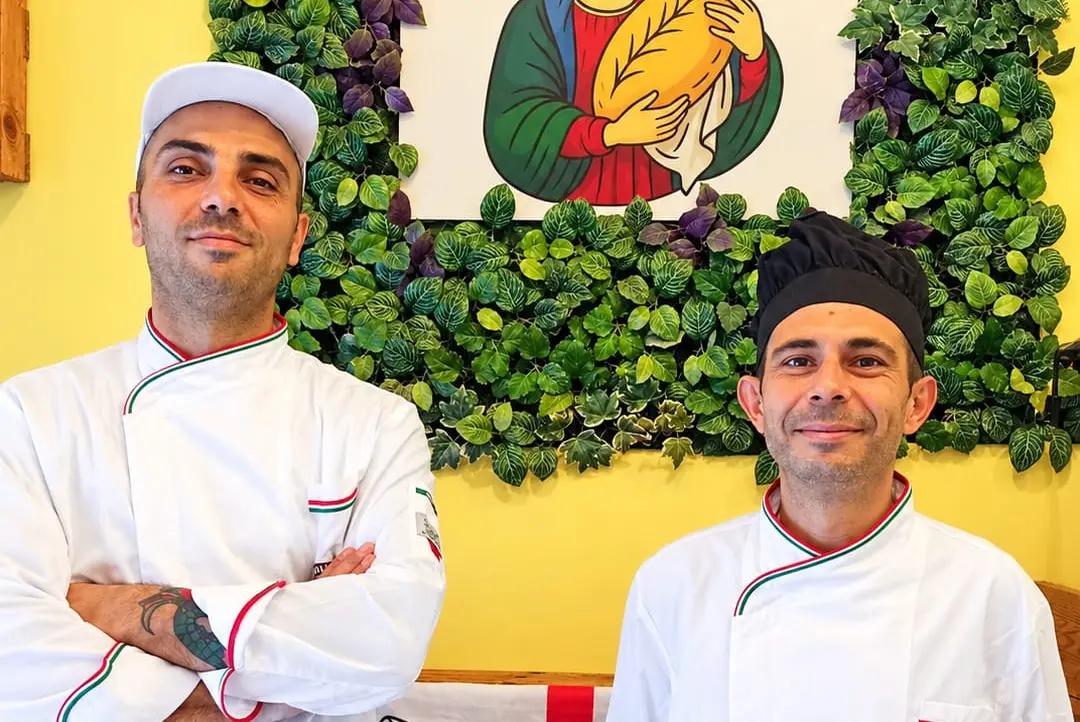
Damiano is a globetrotting chef who left Uras at 15, dreaming of becoming a great chef. Carolina, a restaurant manager who grew up in Spain, flees an Italy unable to legalize her employment. The two meet at work, in a restaurant in Ibiza, like separate ingredients waiting to become a dish. They blend together, and an unexpected story is born.
The place
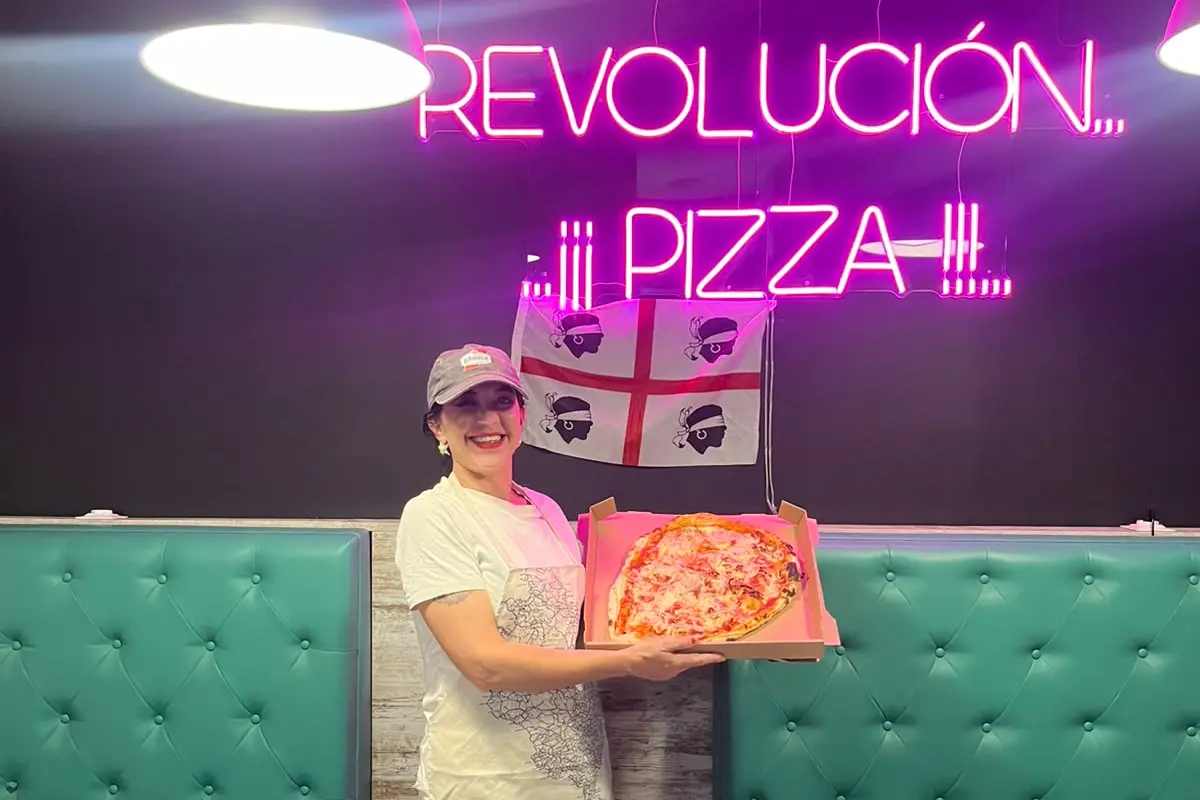
In Torre del Mar, it's not hard to find them. You don't need a GPS. When you walk along the seafront, on the Paseo Maritimo Virgen del Carmen , leaving Playa Major to one side, you're surprised by a mural featuring the face of a woman in Sardinian costume. Red Corittu and white silk muccadore with gold embossed decorations, a glimpse of Campidano in the background. The reference is unmistakable. You walk toward the entrance, and Carolina approaches you with an energetic and friendly manner. You ask if the menu has the same influences. "Sardinian to the core," she reiterates, smiling. She finds a spot for six, among the many tables booked with reservado signs. "It's the maximum number of people we accept per order," she comments, "it's part of our policy to provide good service." Vermentino and Sardinian beer, carasau millefeuille, and beef carpaccio with honey and juniper: the appetizers raise the veil of curiosity. Another journey begins. You unplug and return to Sardinia. A tortello filled with tuna, swordfish and potatoes takes you by the hand to the Sulcis-Iglesiente, a ricotta and spinach ravioli towards the interior ("It's the memory of my mother", Damiano will say later), like the malloreddus Handmade, I put off a few afternoons kneading dough with my grandmother. The dishes come out in threes, " para compartir " as they say here, to be shared with the other diners. Because yes, the island is present, but good Andalusian customs are not forgotten. Next comes spaghetti with shrimp, zucchini, cherry tomatoes, and basil, tagliatelle with ragù, and gnocchi alla norcina: Damiano's tribute to Carolina's Umbrian roots. The seadas , which sold like hot cakes, give way to tiramisu. A round of myrtle and coffee follows.
The beginnings
"It wasn't easy getting this far," Damiano begins at the end of the service, his face visibly tired. "I'm alone in the kitchen, as is Carolina in the dining room." His partner nods and takes over: "The signature for the purchase of the restaurant arrived on March 9, 2020, the day Prime Minister Conte announced the start of the lockdown in Italy . We joked here, thinking it was just a flu. Five days later, time stopped in Spain too, and we were forced to keep our doors closed until July. We tried to ask for help for new businesses, but it was impossible, as we couldn't issue invoices." Damiano retraces the steps of the journey: "There was a lot of renovation work. When we first opened, we changed the menu daily based on our takings. Covid and the lack of permission to put tables outside made us change the nature of the restaurant we had in mind: from offering tapas, tastings, and Sardinian dishes, we switched to takeout. Carolina took care of deliveries."
The change of course
Car rides down unfamiliar streets to memorize, the summer breeze wafting in from deserted beaches without the revelry. Unlike now. "When you overcome so many difficulties, you manage to give a different flavor to everything that happens to you. Now I see the positive side and know every nook and cranny of Torre del Mar," Carolina laughs. "Then, fortunately, everything changed. The city has flourished again, it's fortunate to be close to Malaga and is a magnet for Northern European tourists and for families from Seville, Córdoba, and Jaén who have second homes here. The wheel turned for us two years ago. We made ourselves known. We keep our feet on the ground and continue to go with the flow of life, as happened with Torre del Mar, which was born from a misunderstanding in choosing the place where Damiano was to sign a document. We came, we liked the energy of the place and the idea of getting away from the mass tourism of Malaga."
The choice of life
Damiano gets up from the table and brings a red Vespa into the restaurant, which he rides around the city. "We'll be closing for a few weeks starting November 6th," he continues, "to catch our breath. Carolina will return to Umbria, but I can't travel: there are no flights, which is why there aren't many Sardinians in this part of Spain. The dream of returning to the island someday remains. For now, we're continuing to live here. It's not a constraint dictated by the restaurant, but a choice. I've worked in New York, San Francisco, London, Malaga, on the Costa Smeralda, and at a Michelin-starred restaurant in Rome, but this is the only place that has given me back the serenity I felt at Uras. The time I have gives me the opportunity to create different dishes, following the thread of tradition . I can experiment with the produce grown in my garden. Some time ago, I even made cured meats in our apartment. She made me take them away..."
He points to Carolina, who's bursting with laughter. "We couldn't breathe, and we couldn't bring guests!" Then she becomes more serious. "We're staying here because we're happy! Andalusians don't judge, they accept you as you are. The slower pace of life and the warmth of the people take us back to some of the small villages in Sardinia. Like their big hearts, their generosity, and their hospitality."
The future project
In December, they'll open a shop adjacent to the restaurant to allow customers to purchase the products they enjoy at the table. "The idea is to convey the true essence of Sardinian culture and tradition," they conclude in unison, "from bottarga to cheeses, including carasau and guttiau. Not forgetting other Italian delicacies."
Stranger by Iseo & Dodosound, guide your return. Leaving behind the magenta of a sunset, embraced by the Costa del Sol coastline, ever smaller in the frame of a rearview mirror, you wonder when you'll see the sea again. What is home, what is Sardinia? Is it a physical place? A feeling? Does it belong to those who, like Damiano, preserve their roots on the island, or to those who, like Carolina, have made it a life choice? Perhaps it's the union of the two: two different halves of the same face, two different halves of the same dish that, with different techniques, bring back the flavor of a happy childhood. Even there, Sardinia, even there, is home.