

Annalisa Gusai conquers Cordoba with her Sardinian pizza
A dream that began in 2004, today he manages the “Verde Rucola” in Andalusia: on the menu there are the “Nugoro” and “Lollove” specialties made with products from the island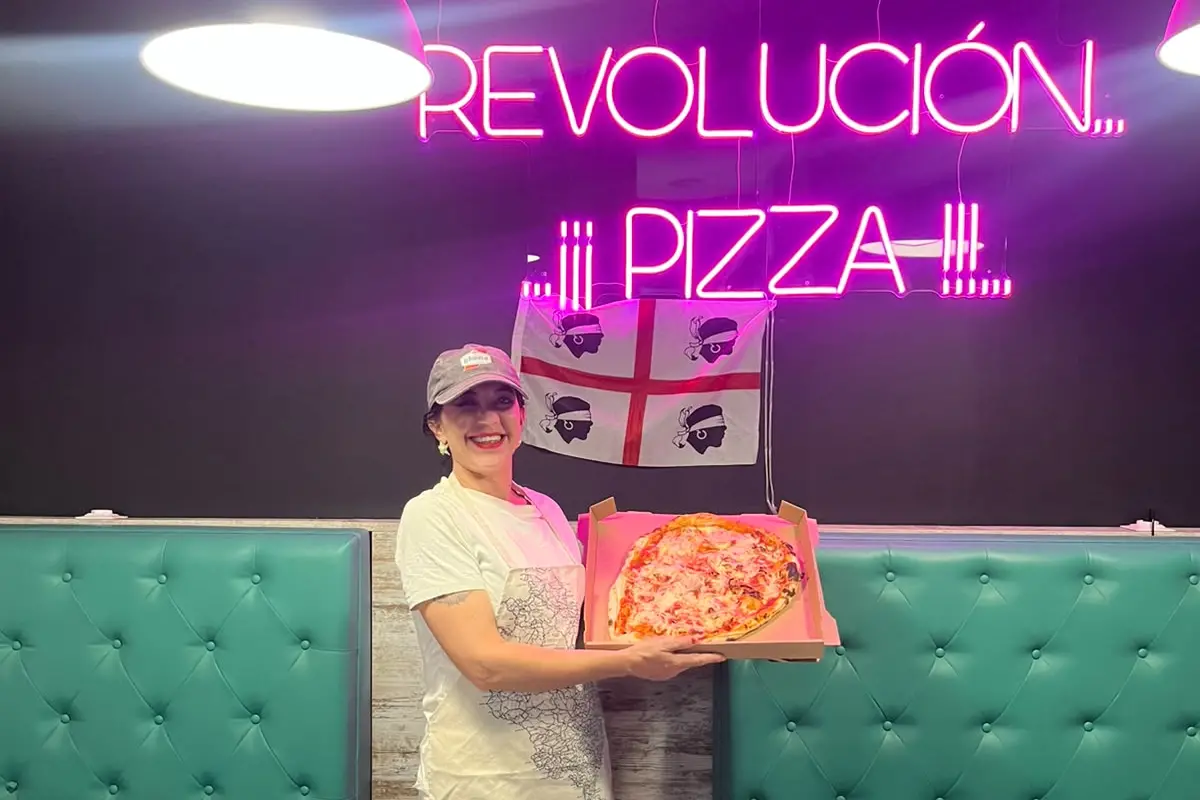
Per restare aggiornato entra nel nostro canale Whatsapp
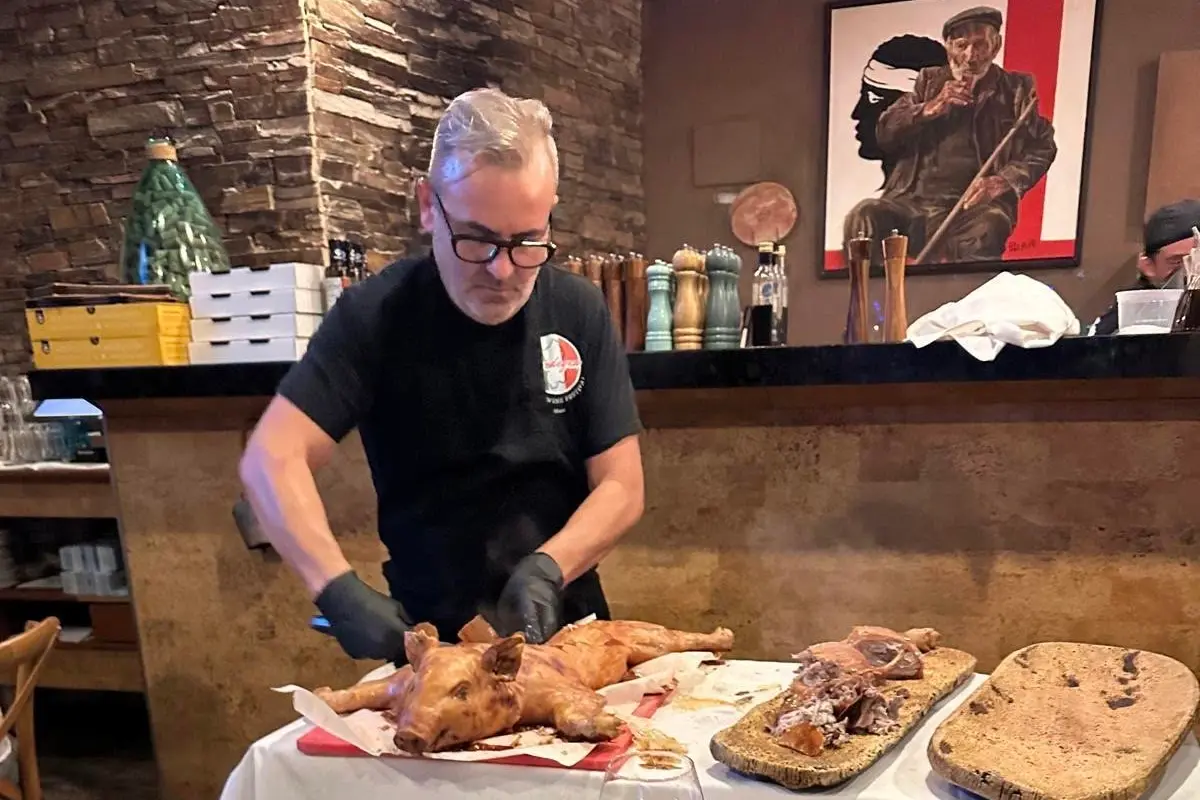
He welcomes you with a smile and a red cap embossed with the old Four Moors flag. The one with his eye patch raised, facing Spain and his back to Italy. His hands are dirty with flour. His eyes, furrowed by the first signs of time, tell of a journey that began many years ago. At the time of the boom in the first low-cost flights, when Europe no longer seemed so distant from the center of the Mediterranean.
The story
Annalisa Gusai , co-owner of the Verde Rucola pizzeria in Córdoba with her ex-husband, Ignacio Luis Tapia, began her journey in 2004. "I had just graduated with honors in Foreign Languages and Literatures from the University of Sassari," she begins, "and staying in Sardinia made me anxious at the time: I didn't want to teach, I was afraid of getting caught up in an institutional machine that would steal my dreams and time. So I left to see new horizons." In England, she worked as a waitress for six years and met her future partner, who would lead her to rediscover another southern Italy. "Ignacio is from Granada, so following him was easy. Together, in 2010, we ventured into the hotel industry. We opened a hostel and a restaurant that became a point of reference for many compatriots. Seven years later, we moved to Córdoba, with two daughters in tow." Still Spain, still Andalusia. "The city lacked an Italian pizzeria. We were the first to offer authentic dough, following tradition. I was already familiar with this tradition," he continues, "thanks to travels with my parents and my thesis on Calò , the language of the Iberian gypsies, which allowed me to travel, for many months, from Barcelona to Seville."
She looks around. She pauses. In front of her, the Vista Alegre neighborhood where she works comes alive with the sounds of the evening. University students return from class. Waiters from nearby restaurants set the first tables. A few passersby greet and hug her. A man orders takeout for the night. "Life here is a few hours later than in Italy. Dinner is eaten late. Otherwise, Andalusians are a bit like us Sardinians: they love community life, sharing. We are people represented by the flamingo ( flamingo in Spanish). A border animal, between land and sea, that isn't afraid to migrate to other shores where it can, once again, feel the warmth." As long as it's not excessive. "In the summer I escape," she laughs, "because the temperatures here are high. I need to feel the saltiness on my skin, wander from beach to beach, and breathe the air of Monte Ortobene."
His pizzas
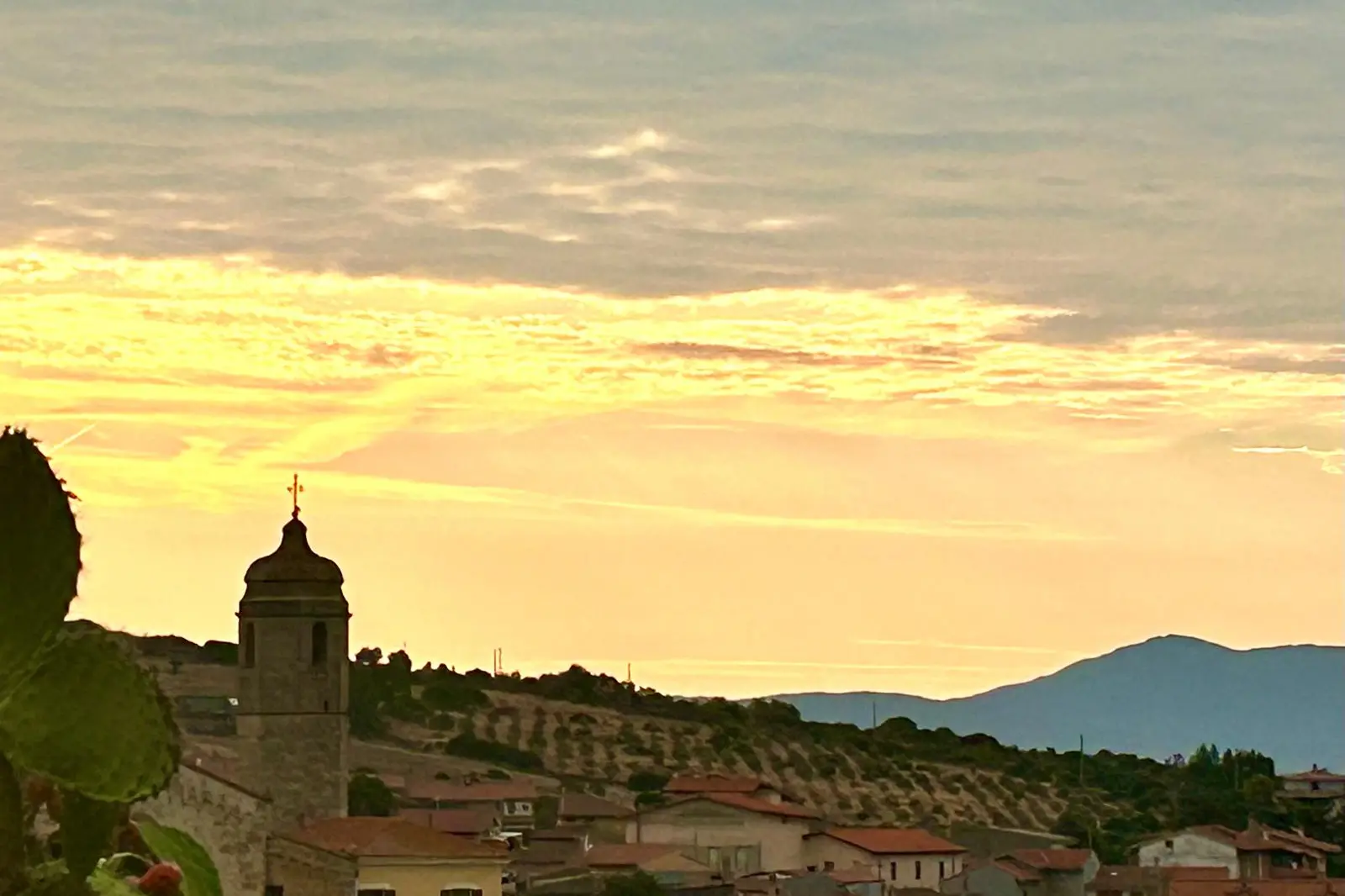
Nuoro, his hometown, and Lollove, his parents' village, are both on his menu. "The Nugoro is a pizza with sausage, pecorino cheese, and black olives. The ingredients come directly from the island. The Lollove is something new: it contains the ingredients of a potato, lard, and onion focaccia that my grandmother used to make for me when I was little. I've dedicated other pizzas to members of the Sardinian and Italian communities that have grown over the years. For them, Verde Rucola has become a sort of Sunday gathering. The first to discover me were two guys from southern Sardinia and a guy from Avellino: Andrea Oliviero, Andrea Cannas, and Mirko Todesca, whom I take this opportunity to thank for networking and bringing together so many people from different parts of the world."
Growing numbers
In Cordoba, Verde Rucola has become a major restaurant. The reviews are positive, and the numbers continue to grow. "We have regular customers, foreigners, and many Italians who come to us for a product that takes them back home. And there's no shortage of students. I'm fortunate to have a restaurant at a crossroads between several universities and the city's most touristy area. I like to think that both I and my pizzeria can serve as a bridge between different cultures. My life's mission, after all, has been to leave a piece of Sardinia, with my stories and my products, in the homes of those who didn't know it. And I've also done the opposite: I brought the foreign world into my Lollove, opening the country's first Airbnb in 2015, where mostly Americans and Canadians stayed."
The future
Her dark eyes, distant as they chase memories, return to the present and illuminate, like headlights, the gestures of a pizza chef's assistant from Milan. Two waitresses appear: one Mexican and one Spanish. Annalisa gives them some directions in a gentle tone. She turns off an English radio and puts on Fabrizio De Andrè's "Amico Fragile" on PFM. She pauses thoughtfully in front of the display case. She adds basil leaves to the tomato sauce. She prepares to open the door. Then her expression changes, clearing her throat, which is partly broken. "Do you know what my dream is?" she concludes. "For a Sardinian, it's always to return home. Sardinia is a mother who waits for you with a smile, with open arms, on the doorstep. She doesn't scold you if you're late. You can run away, flee, to any place in the universe, but she'll continue to wait for you. The idea of having her there, ready to welcome me, reassures me. Sometimes, all it takes is a scent, an ingredient, and I feel her close. One day, I'd like to show this mother what I've learned and all the colors I've collected on this long journey of mine. To try to dress her in a new dress and make her more beautiful. I'd tell her that we Sardinians abroad never forget her. We are her satellites scattered around the world.