

Bentu Nou, a new world of Sardinian emigrants is born in Florence with Seu
The Federation's founding congress will take place this weekend: the program's key points. Sunday, starting at 11:15 a.m., it will be livestreamed on unionesarda.it and Unione TV.Video di Massiliano Rais
The bond remains. The roots are deep. There is a desire to contribute to decisions about the future, making available to Sardinia the skills, experiences, and relationships built elsewhere.
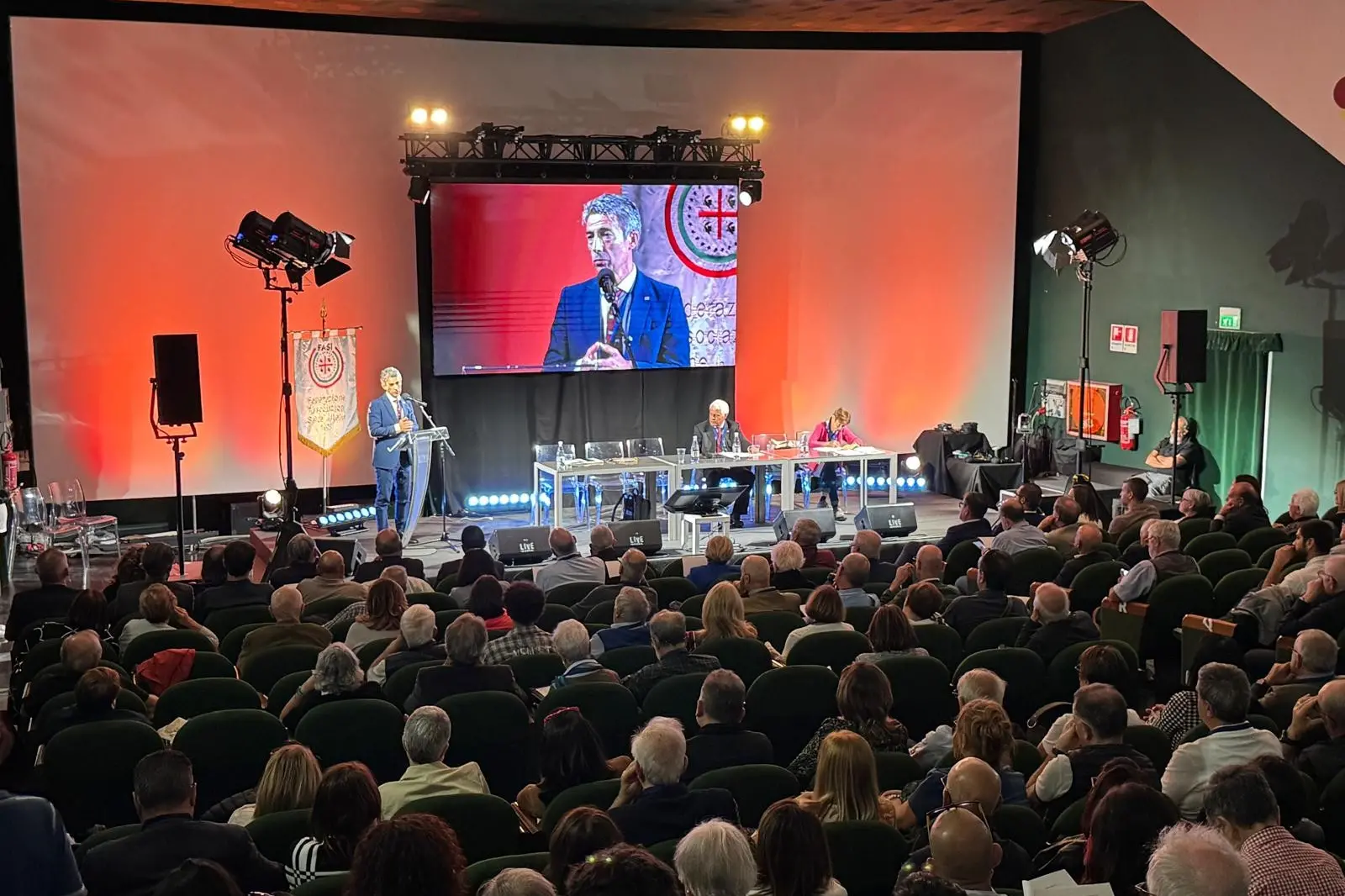
This is the proposal that will inform "Bentu Nou," the founding congress of SEU (Sardi emigrati uniti), scheduled in Florence from October 23rd to 25th at the Franco Zeffirelli Foundation and the Spazio Alfieri cinema. The federation, which brings together 26 clubs in seven Italian regions, is preparing, following its split with FASI, to begin a new chapter in organized emigration. Florence this weekend will be a key hub.
"We want to engage in constructive discussions with the input of qualified guests. This way, we're laying the foundation for our future work," explains Sara Nicole Cancedda, president of Seu.
The discussion
The document to be discussed at the congress outlines a specific goal: transforming belonging into participation. Twenty-one theses outline the path of the new network, designed to bring together the generations of the great departures, their children and grandchildren, and those who are leaving the island today to study or work. A changed world, in which roots in the host cities coexist with the mobility of professionals and the desire to maintain the possibility of return. The congress will consolidate the process already underway: elect the governing bodies and define the commitments for the next three years.
One of the key concerns the relationship with the Region. The theses propose reform of emigration legislation and consultative bodies capable of representing a community whose composition and needs have changed. Emigrants, it is reiterated, must be recognized as an active part of the regional community.
The requests
Hence the call for ongoing dialogue with the island's highest institutions. There are concrete issues to address, starting with transportation: for those who live far away, maintaining ties with Sardinia depends on the possibility of reaching it. Seu calls for finally effective benefits for all Sardinians in the diaspora. Other points on the agenda include the value of special autonomy, the essential role of culture, opposition to the siting of the national radioactive waste repository, and the need to rebalance military servitudes. On energy, Seu supports the transition, but calls for it to be governed by communities and generate benefits for the local communities. He supports the Einstein Telescope and challenges the concentration of prisoners under the 41-bis regime in Sardinia, urging transparency and institutional dialogue.
The diaspora
There is always a diaspora to contend with and a gap to bridge, but also a desire to contribute to the island's development. There are 133,256 Sardinians registered in the Registry of Italians Residing Abroad. This figure only captures a fraction of emigration, as it does not include those who have moved to the rest of Italy. Between 2019 and 2024, nearly three thousand young Sardinian graduates left abroad, while 836 returned: a net loss of more than two thousand people with qualified skills. These departures are part of a broader demographic decline: in 2024, Sardinia lost 9,114 inhabitants, dropping to 1,561,339 residents. In less than ten years, the decline has reached nearly one hundred thousand. These numbers explain why Seu considers relationships with those living abroad and the possibility of encouraging the return of those with valuable knowledge to be crucial.
Sunday, starting at 11:15 a.m., the event will be live-streamed on unionesarda.it and Unione TV. Sara Nicole Cancedda will be featured in the video.