Wild herbs are a local resource: the "Garden of Knowledge" is born in Serdiana.
An initiative funded by the Region with 160 thousand euros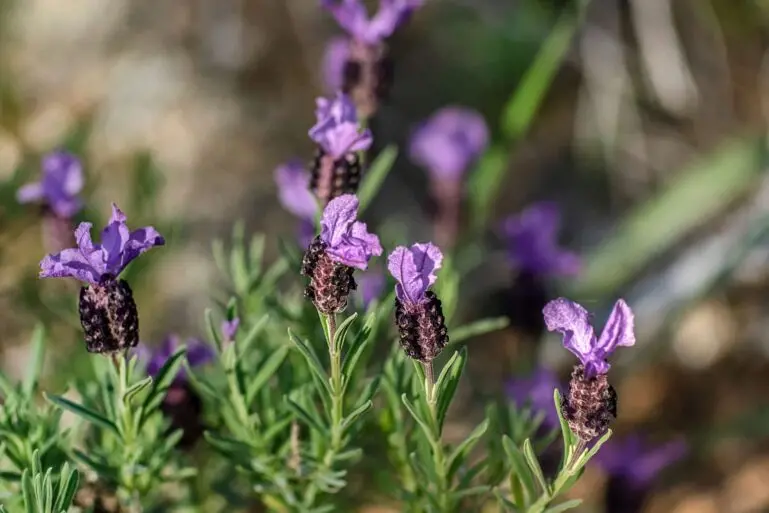
Per restare aggiornato entra nel nostro canale Whatsapp
Collective memory and scientific research. These two pillars underpin the "Garden of Knowledge" project, launched by the Municipality of Serdiana in collaboration with the Department of Life and Environmental Sciences at the University of Cagliari.
An initiative funded by the Region with €160,000 that will document and catalog the botanical species present in the area and their past uses in cooking and for the treatment of diseases . The project was officially presented at the Serdiana House Museum: "Our goal is to scientifically document a heritage of knowledge that belongs to the community," said Andrea Maxia, professor of Pharmaceutical and Economic Botany and project coordinator. "Information on the traditional uses of plants represents a cultural and scientific resource of great value. If properly collected and archived, it can become a concrete tool for enhancing the local area."
The local authorities are also convinced: "Our grandparents used wild herbs for cooking and for medical purposes," said Mayor Maurizio Cuccu. "About 90% of them are edible. It's an immense heritage that we want to preserve and pass on to future generations." The unique nature of the Serdiana area played a key role in launching the project: "Here we have a great environmental variety," said Environment Councilor Paolo Mura. "We have the pond area, a saltwater basin, unique in the entire Mediterranean, where very particular species grow, medicinal and edible herbs, but also plants that were used for everyday life in the area, such as reeds used for baskets and so many other types of plants. This is a great heritage that can boost the development of the area."
The researchers' task will be to cross-reference data from oral tradition with scientific findings. "Ethnobotanical research allows us to transform oral knowledge into scientifically validated data documented according to internationally recognized protocols," emphasizes Professor Maxia. "This step is essential not only to prevent the loss of valuable information, but also to ensure the protection of local communities' biocultural heritage and promote the informed use of this knowledge in territorial, educational, and environmental development processes." Coordinating the project, coordinated by Professor Maxia, will be Cinzia Sanna, professor of Pharmaceutical Botany and Food Botany; Roberta Lai, curator of the Cagliari Herbarium; Emma Cocco, researcher in Pharmaceutical Biology; and researchers Federica Frau, Gianluca Cireddu, Maria Margherita Cucca, and Valentina Masala, who will be involved in fieldwork and the systematization of ethnobotanical data.
This initiative will take advantage of a favorable context, thanks in part to the recent approval of the regional law on biodiversity. "I thank Serdiana and the University," says the law's first signatory, Michele Ciusa, a regional councilor for the Five Star Movement. "Sardinia is the last region to address this issue. It may seem like a trivial topic, but it's fundamental. The environment around us is our life. Our land contains an environmental heritage that can become a resource and create an eco-sustainable economy."