

Vulnerability, authority, and digital: the Bishop of Tempio Pausania interprets the Church's transformation in his end-of-year Te Deum.
A process that asks to be recognized without nostalgia and without fear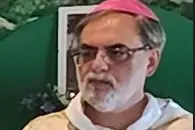
Per restare aggiornato entra nel nostro canale Whatsapp
More than a traditional end-of-year homily, the speech given in the cathedral of Tempio Pausania during the Te Deum by the bishop of Tempio-Ampurias, Roberto Fornaciari , was configured as a reading of the present, a reflection on the profound changes affecting parish and ecclesial communities and, more generally, contemporary society.
According to Fornaciari, the Church is not simply experiencing a numerical decline or the closure of historic works, but rather a true anthropological and spiritual shift that is transforming the face of its institutions. This process demands to be acknowledged without nostalgia or fear. Communities, he observed, are called to deal with fewer structures and more relationships, less organizational strength and greater social credibility. One of the key points of the discussion is the theme of vulnerability. Personal fragility, loneliness, and emotional and organizational fatigue are not interpreted as deviations, but as the new context in which people and institutions operate. Recognizing this condition, the bishop argued, directly impacts the quality of relationships and the trust that communities are able to generate.
Another key issue is moving beyond a model based primarily on works. Schools, care facilities, and educational institutions, long identified with the Church's presence in the community, are now being downsized, changed functions, or sold. For Fornaciari, this isn't a failure, but a shift toward forms of presence less tied to management and more focused on proximity. Mission, from this perspective, no longer coincides with what is done, but with how change is experienced.
The reference to the theme of authority is also clear. Spiritual abuse and dynamics of control are highlighted as signs of a model that needs to be radically rethought, in favor of forms of leadership capable of accompanying without dominating and of engendering autonomy and responsibility. Finally, digital technology is described as an environment that changes times, relationships, and identities, amplifying all other ongoing transformations. "It introduces new forms of proximity and new forms of solitude. Recent magisterium also calls for recognizing digital technology as an environment for life and evangelization." "The future will not be of works, but of free presences. Not of structures, but of healthy human relationships. Not of numbers, but of credibility," the bishop continued. In conclusion, Bishop Fornaciari entrusted the hope for peace and justice to Mary: "To her we entrust the intense desire that justice and love prevail over all temptations to violence, revenge, and corruption."