

Tourism, alarm bells ringing from Sardinian campsites: "Numbers aren't enough, offerings are weak and outdated."
Faita's analysis: "Guest spending has decreased, management costs have increased, and transportation and energy costs are weighing heavily."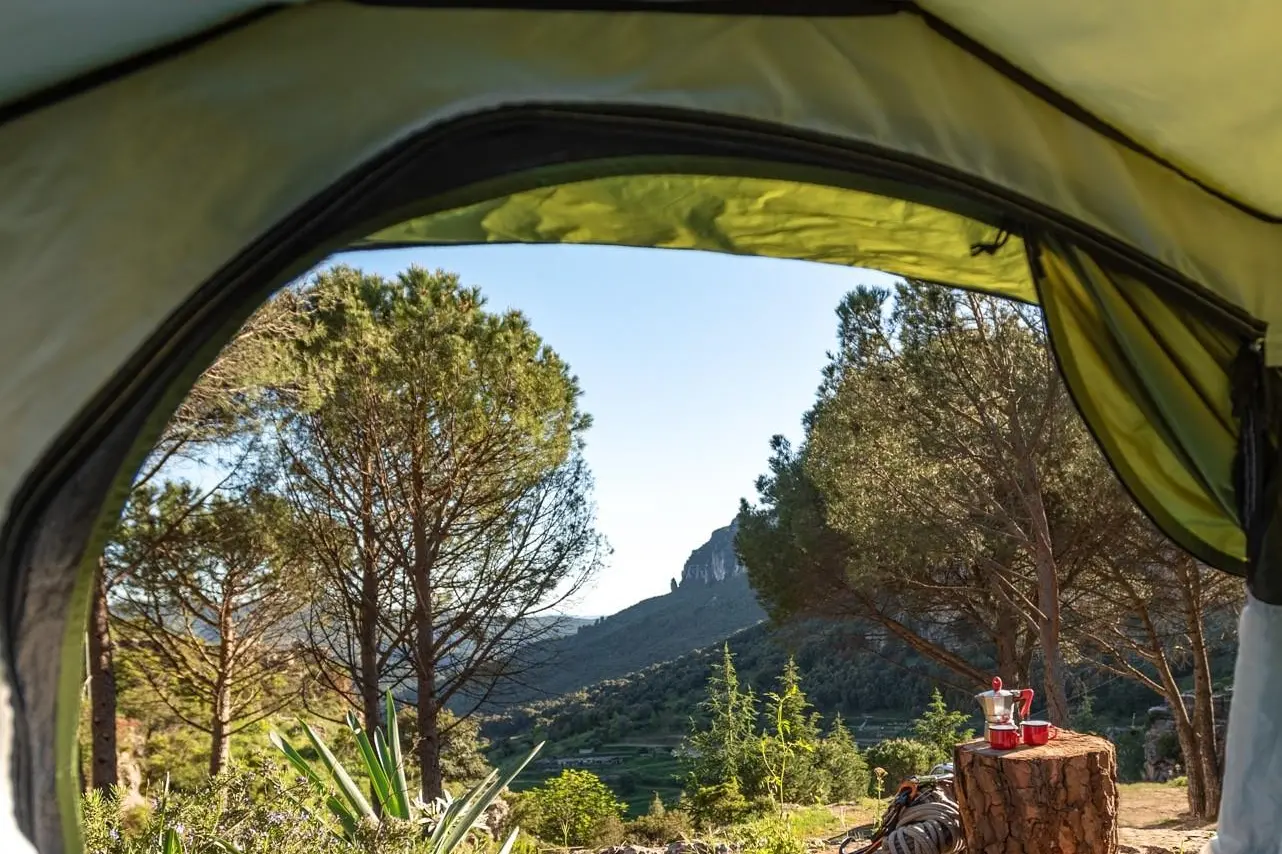
A tent at the campsite
Per restare aggiornato entra nel nostro canale Whatsapp
"Tourism needs a serious, systemic reflection. Let's not be fooled by growing numbers that attract immediate audiences, but if not interpreted in all their variables, they risk leading to collapse." The alarm was raised by Sergio Napolitano, president of Faita Sardegna, the outdoor tourism association that organizes key facilities for the sector on the island: campsites.
THE NUMBERS
Thirty-six percent of member businesses reported an increase in attendance, and 48% confirmed last year's figures. The forecasts for September are positive: 56% confirmed expectations, 20% expected further growth, and 25% reported a loss. Looking beyond the data, however, the critical issues are revealed: 48% reported a reduction in guest spending, 32% an increase in management costs, 20% a decline in specific markets, and 20% a chronic staff shortage. Almost all reported a reduction in average stays, with 100% bookings close to the holiday date— in an Open Air market in Sardinia, which typically sold about 80% of its capacity between January and March.
"The data is encouraging, but it needs to be analyzed," Napolitano explains. "The dynamics that substantially impact the final figures have changed. Tourists are different because the world is different: international tensions, energy prices, the economic crisis, climate change. Origins, spending, booking and stay times are changing, and cancellations are increasing."
DYNAMIC DEMAND VERSUS STATIC SUPPLY
"We have a weak, stagnant, and anachronistic offering," Faita argues. "Our facilities need structural change, but those in power are glossing over two crucial issues: urban planning and landscaping. These aspects have a substantial impact on the reception system. Furthermore, rooms depend on occupancy, and people depend on consumption and services. But these are in precipitous decline, as confirmed by the latest surveys by Fipe and Confcommercio."
According to Napolitano, "we need new paradigms for more efficient, attractive structures capable of responding to new demand and sustaining consumption. To stay afloat, we can't just adjust prices or try out market-building formulas; we must address these two issues without preconceived ideologies."
The same issue applies to energy: " Unsustainable costs and a de facto ban on clean energy production. We don't have roofs for photovoltaic panels on our buildings, and even pergolas are being opposed."
Then there's the high cost of ferries; "It has a significant impact on outdoor tourism and on Sardinia as a whole," Napolitano complains. "We must prevent, as we've been saying for years, this economic drain on the island by shipping companies. A night on a ship that costs as much as a week's vacation for a family is an outrage that politicians can no longer passively witness. It must be addressed decisively and definitively."
(Unioneonline)