

The three-year operational plan for Sardinian ports has been approved: Cagliari and Olbia are focusing on cruises and tourism.
The document approved by the Port Authority Management Committee: "Attention also to industrial docks."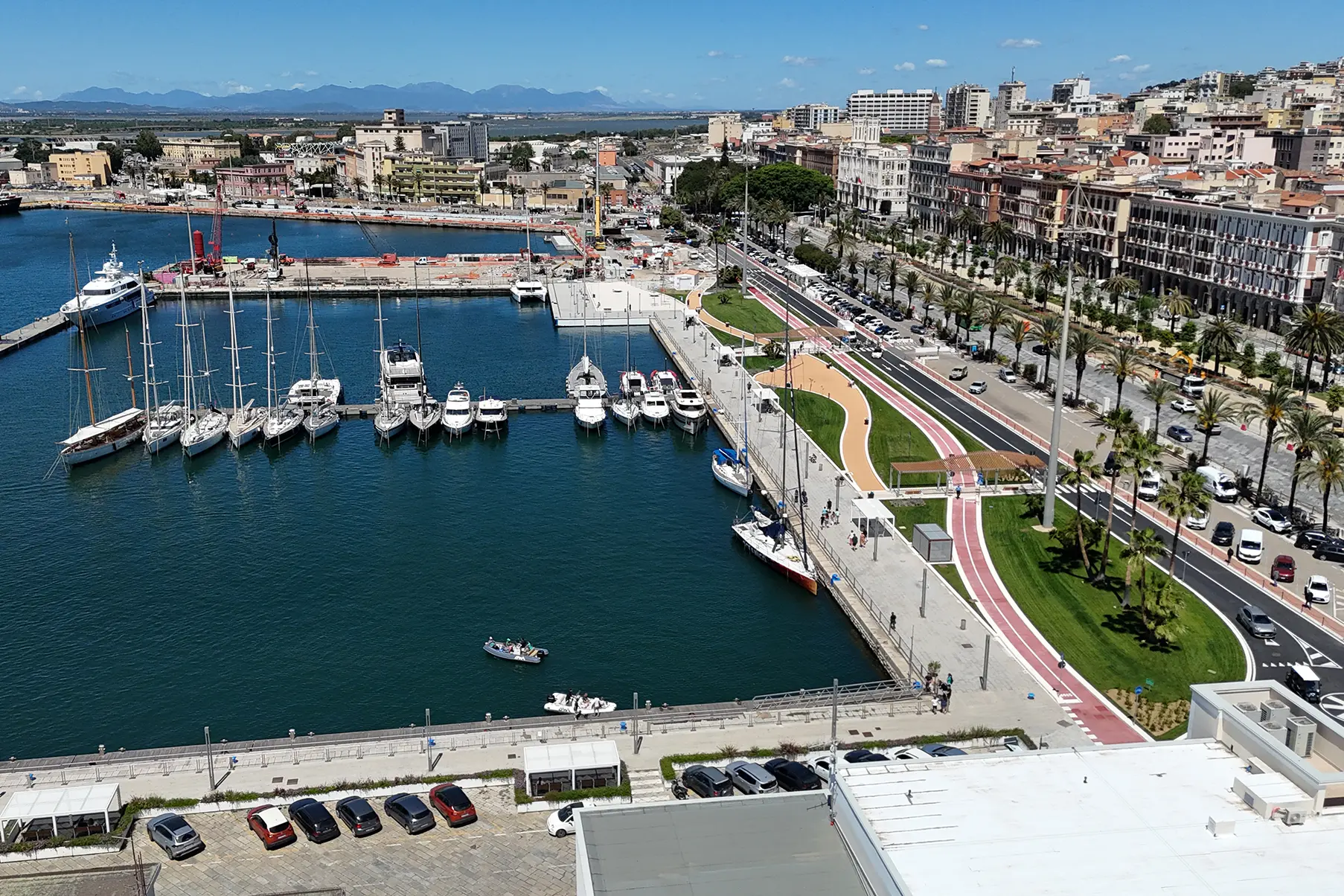
Per restare aggiornato entra nel nostro canale Whatsapp
The three-year operational plan for Sardinian ports, 2026-2028, has been approved.
Specifically, Cagliari will focus on completing the new ro-ro terminal, building the road system connecting to the SS 195, developing the bulk terminal, and developing the shipbuilding district. This will also include the gradual redevelopment of the historic port for tourism and cruise tourism. In Olbia , priority will be given to dredging and upgrading the cruise dock to increase the capacity for vessels over 300 meters in length. This will also include planning for the expansion of the areas dedicated to recreational boating and shipbuilding.
The Sardinian Sea Port System Authority's plan was approved in Olbia by the Management Committee, after the sea resource was presented to the partnership body. The starting point is traffic data, which demonstrate a "solid and expanding" system.
In Porto Torres , once the Antemurale is completed, the plan includes the adaptation of the seabed and the expansion of the operational and logistics areas with the completion of the second lot of the Darsena Servizi and the creation of the logistics hub in the basin of the former Eni dry dock.
For Arbatax, Golfo Aranci, and Santa Teresa Gallura, the projects will involve the redevelopment of existing infrastructure and the improvement of services.
Particular attention is being paid to industrial and specialized ports: dredging and stormwater management are planned in Portovesme to improve traffic separation; infrastructure maintenance and the development of the LNG energy hub in Oristano ; and the construction of a new service dock for tugboats in Sarroch - Porto Foxi .
"The goal," explains Domenico Bagalà, president of the Sardinian Sea Port Authority , "is to take a further step beyond the current consolidated system: to transform this solidity into growth capacity, repositioning Sardinia in the Mediterranean as a logistics, energy, and production hub. This is a crucial step, because the choices made over the next three years will determine the role of our ports in the coming decades."
(Unioneonline)


 attacks: "The porticoes of Via Roma are a grand hotel for desperados."")