Summit on the blackout emergency in Sardinia: "Mayors on the front lines and compensation for citizens."
Comparison between Anci, E-Distribuzione, Civil Protection and Prefectures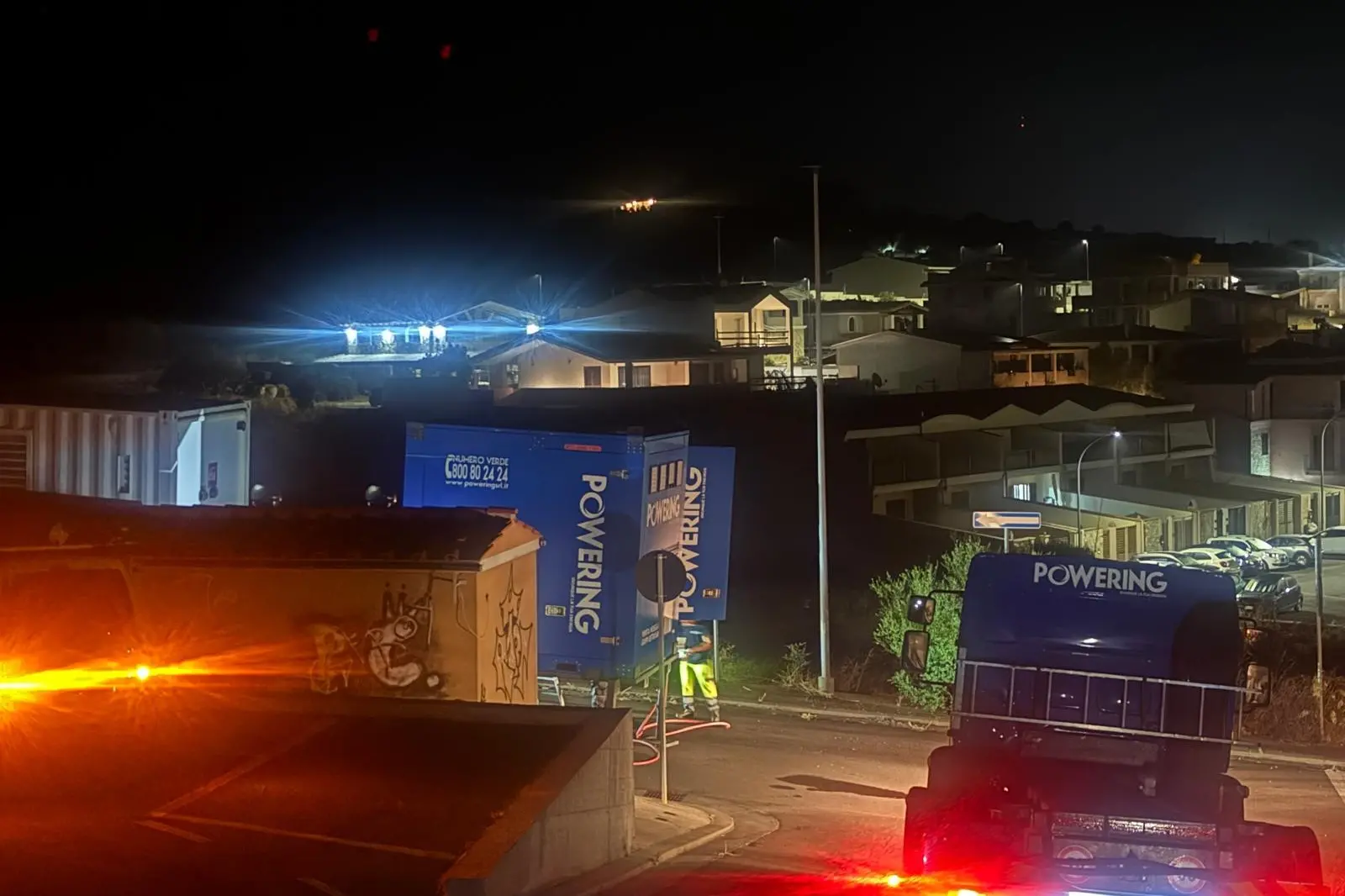
Per restare aggiornato entra nel nostro canale Whatsapp
Extreme heat, humidity, and simultaneous voltage surges in numerous power stations are the main causes of the ongoing power outages that have affected numerous municipalities from southern to northern Sardinia.
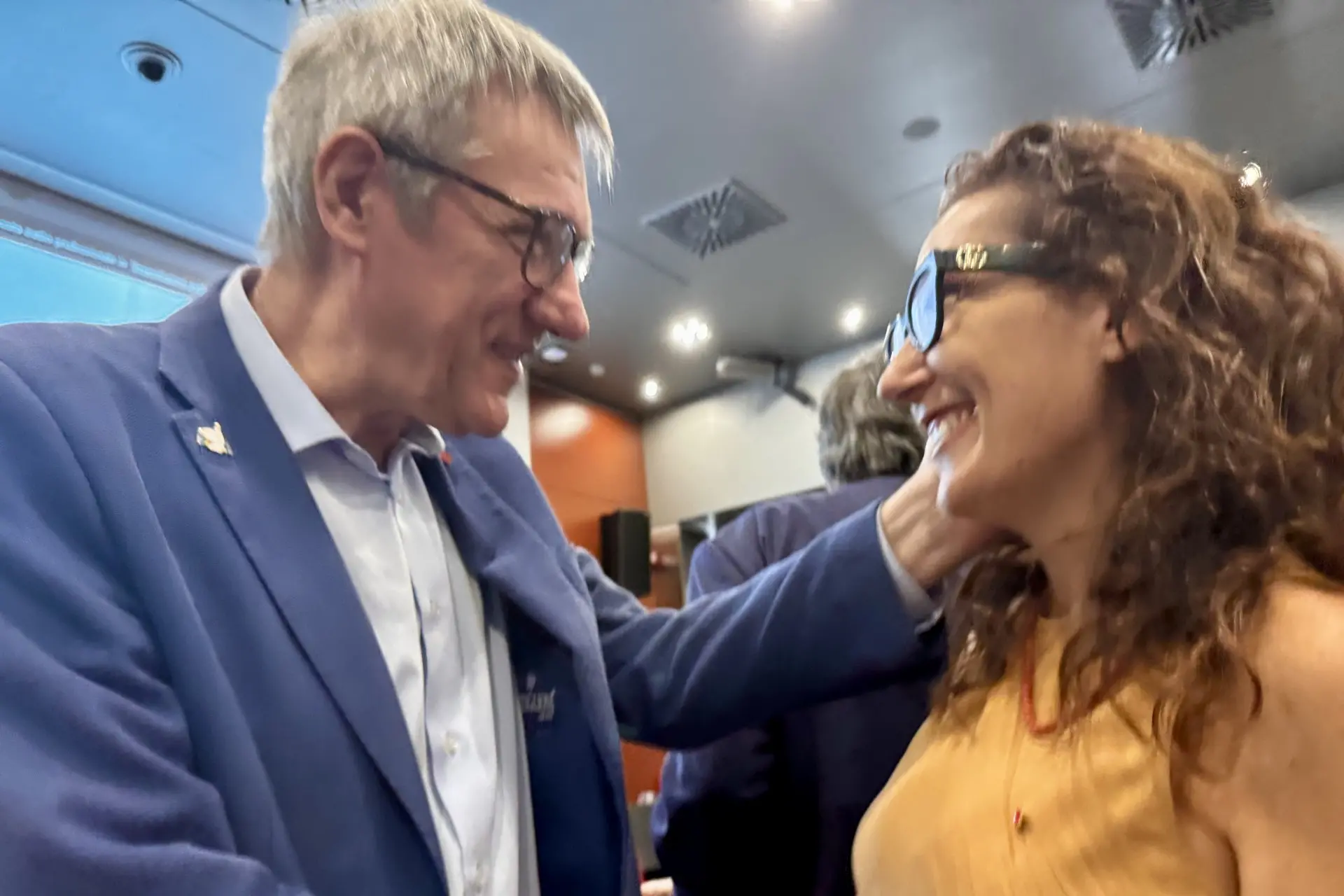
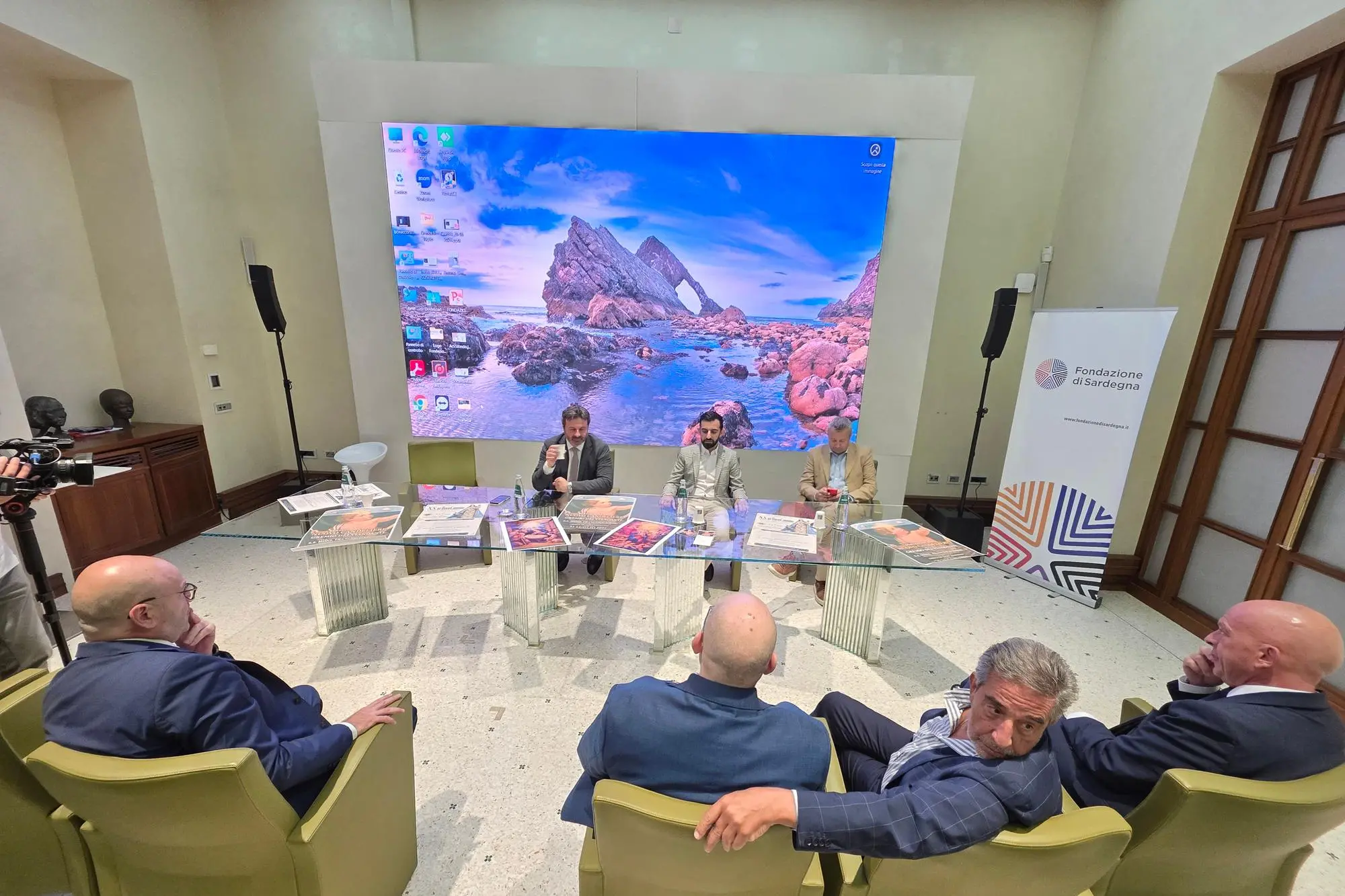
The issue was discussed today during a meeting organized by ANCI Sardegna (the association of Sardinian municipalities), attended by the heads of E-Distribuzione, Prefectures, and the regional Civil Protection Agency. The goal was to take stock of the emergency and try to resolve the problems once and for all.
"We analyzed the causes of the numerous blackouts in recent days, the functioning of the grid during the most critical moments, and the difficulties faced by the regions," explains Daniela Falconi , president of Anci Sardegna. "But above all, we decided to continue this work through a shared program, which will cover both emergency management and the infrastructure interventions needed to make the electricity grid increasingly resilient to the effects of climate change."
The National Association of Italian Municipalities (ANCI) has pushed to ensure mayors have a direct and timely communication channel during emergencies . "When power goes out, citizens turn to their municipalities. It is therefore essential that administrations have up-to-date information on outages, restoration times, and the evolution of the situation, so they can provide timely responses to their communities and contribute to accurate, transparent, and rapid communication."
The law provides that in certain cases, families and businesses can receive compensation : "During the meeting, we reminded them that, in the cases provided for by the law, families and businesses that have suffered interruptions in supply exceeding the established standards will be entitled to automatic compensation , which will be recognized directly on their bills."
Particular attention was also paid to people using life-saving medical devices connected to the electricity grid: "It is essential that these situations are correctly reported to the grid operator," Falconi concludes, "because they allow for the highest priority to be given to restoration interventions and protect those who depend on electricity for healthcare needs."