

Suitcases full of sand, stalactites, and money: during the booming summer at Cagliari airport, there's a flurry of seizures.
Record-breaking season, with 3.5 million passengers. Customs increased checks on tourists: the bill for illegally transported banknotes reached €200,000, and the island's most beautiful beaches were plundered.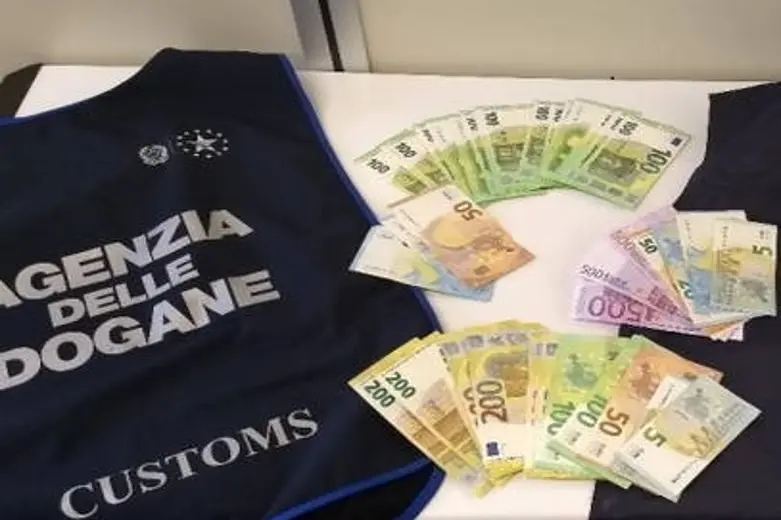
Per restare aggiornato entra nel nostro canale Whatsapp
The exceptional growth in tourist flows recorded at Cagliari-Elmas Airport this past summer has led to a significant increase in checks by the Customs and Monopolies Agency.
Between April and September, over 3.5 million passengers passed through the Cagliari airport. During this period, agency officials conducted over 2,800 customs and anti-fraud checks.
"Important results have been achieved in the area of environmental protection," a statement reads, "with the seizure of over 63 kilos of sand, shells, and pebbles illegally removed from Sardinian beaches." The operations involved some of the island's most popular locations, including Villasimius , Chia , Is Arutas , Alghero , and Poetto . Overall, fines totaling approximately €70,000 were imposed on travelers attempting to steal natural assets belonging to Sardinia's collective heritage.
The land protection effort also included Sardinia's cultural and natural heritage. Artifacts seized from sites of particular environmental and archaeological value on the island were seized, including stalactite fragments from the protected karst areas of the Su Biddiriscottai Caves (Dorgali ) and the Su Marmuri Caves (Ulassai) , as well as archaeological finds from the Nora site.
In the area of monetary controls, a total of almost 200 thousand euros were discovered, money often hidden in travellers' luggage to evade airport controls and thus try to circumvent the rules on the transport of cash .
On the health safety front, inspections intercepted over 258 kilograms of food products of animal origin without the required health certifications , as well as numerous shipments of seeds, plants, roots, and plant materials introduced without the required phytosanitary documentation, potentially capable of promoting the spread of organisms harmful to crops and the environment. Nearly 4,000 pharmaceuticals and cosmetic products introduced in violation of the regulations were also seized.
Significant efforts to combat counterfeiting and false "Made in Italy" designations of origin have led to the seizure of numerous items bearing counterfeit trademarks traceable to the most well-known international brands in the fashion, accessories, and luxury goods sectors.