

Sorso, three centuries of history in Geridu: three medieval dwellings discovered one above the other.
Archaeology continues to provide precious evidence of the daily life of a community with a strong agricultural and pastoral vocation.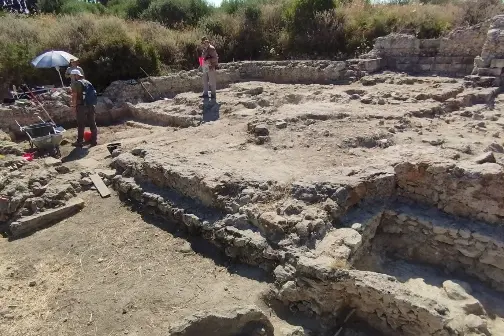
Per restare aggiornato entra nel nostro canale Whatsapp
The archaeological site of the medieval village of Geridu, in the countryside outside Sorso, was the scene of new and extraordinary discoveries thanks to the excavation campaign conducted in June.
New evidence confirms Geridu as a pilot site for understanding Sardinia's rural Middle Ages, where archaeology continues to yield precious evidence of the daily life of a community with a strong agricultural and pastoral vocation.
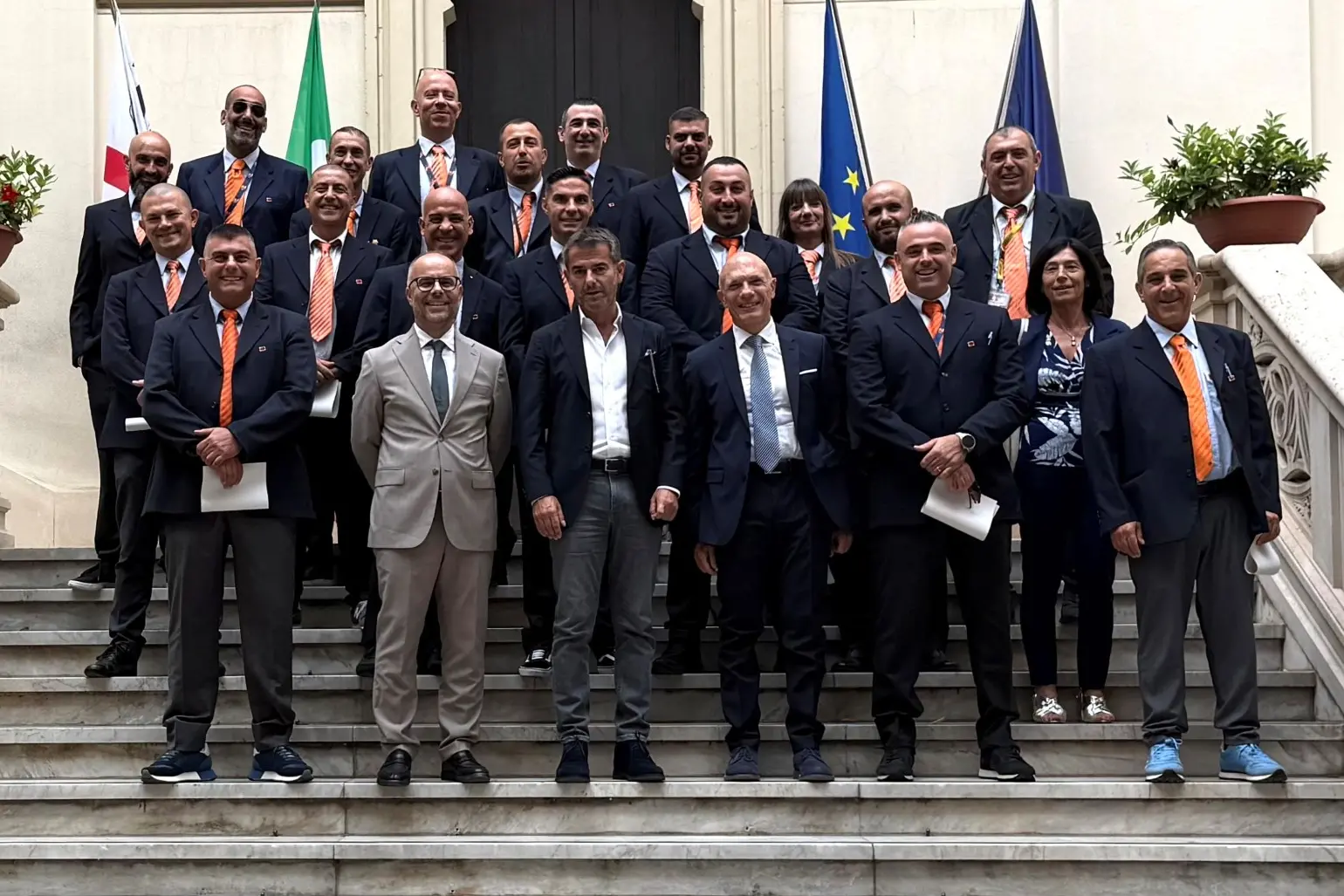
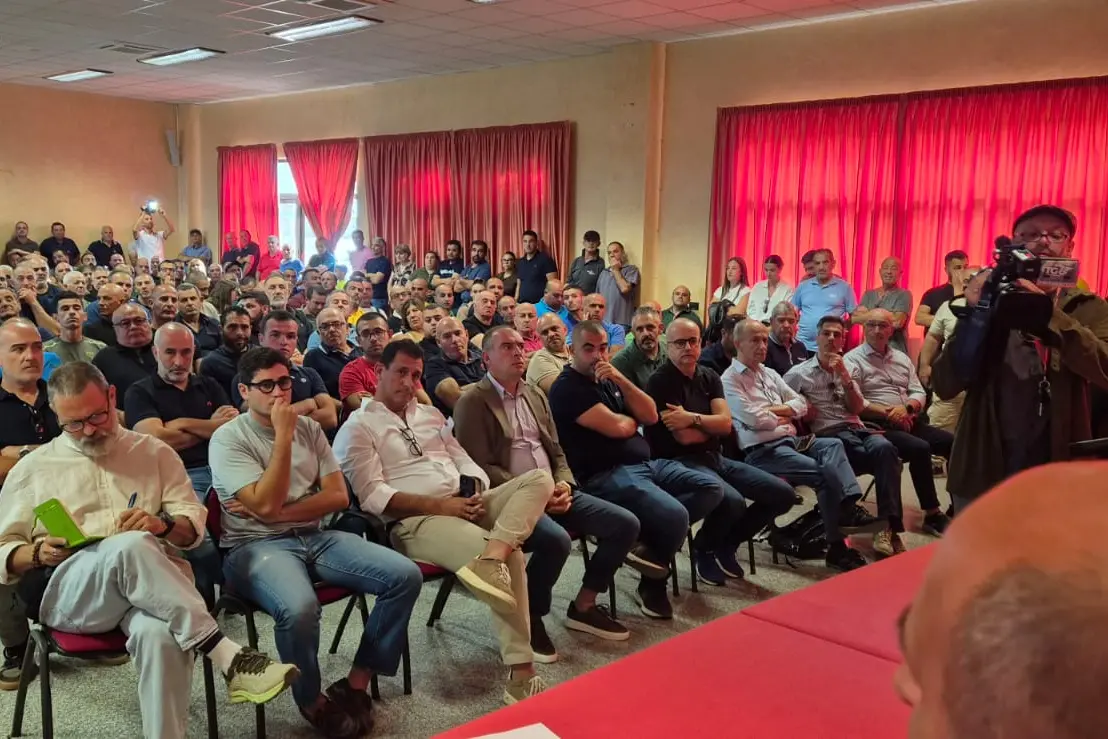
The excavations are part of the ongoing work to construct a new fence around the archaeological site, enhance its value, and install a video surveillance system. The research results were presented yesterday at the Geridu site, during a press conference attended by Professor Marco Milanese, Professor of Archaeology at the University of Sassari and director of the excavation; Dr. Gabriella Gasperetti of the Superintendency of Archaeology, Fine Arts, and Landscape for the provinces of Sassari and Nuoro; the Mayor of Sorso, Fabrizio Demelas; and Justin Leid Wenger of Stanford University. The archaeological investigations, focused primarily within the perimeter walls of a dwelling destroyed by fire around 1350, have uncovered even earlier settlement phases. In fact, beneath the fourteenth-century house, wall structures dating back to the thirteenth century have emerged and, by further investigating the excavation, the archaeologists have identified a residential phase dating back to the full Giudicato age (11th-12th century), in addition to the remains of an even older dwelling, probably from the Giudicato age or the early Middle Ages.
"Allow me first to thank the Superintendency, the University of Sassari, and, in particular, Professor Marco Milanese, his staff, and his students, for the work they have been carrying out on Geridu for decades," said Mayor Fabrizio Demelas. "It is thanks in large part to them that this site is so important today from a scientific, historical, and archaeological perspective. The evidence emerging from last month's excavations confirms that this site preserves a history spanning at least three centuries, and that its origins may extend even further back in time, providing us with a picture of extraordinary settlement continuity. This is evidenced by the homes, rebuilt on the same site over the centuries, and by the places of worship, including the medieval Gothic church of Sant'Andrìa, built to replace the previous Romanesque church. Today, however, alongside my satisfaction with the results achieved, I also feel the need to express my deep concern," the mayor emphasized. Archaeologists, the University, the Superintendency, and the Municipalities continue to work with great dedication, but too often they are forced to do so under extremely difficult conditions and with completely insufficient resources. Until a few years ago, the State guaranteed the funding and interventions necessary for the ordinary maintenance and cleaning of archaeological sites. Today, however, these burdens are gradually being transferred to the Municipalities without correspondingly providing adequate resources. This is a mechanism that, in the long term, cannot sustain. An Administration certainly has a duty to safeguard the memory of its territory, and we will continue to do so with conviction. But when the Municipalities are left alone to protect a heritage that belongs not only to Sorso, but to the entire Sardinia and the country, everything becomes enormously more difficult. For this reason, I hope for a decisive reversal of this trend, starting with the Sardinia Region and other relevant institutional levels, so that adequate tools and resources are finally made available to support the research, protection, and valorization of our archaeological heritage. Because investing in the knowledge of our history means investing in the future of our communities.
The continuation of the research will allow us to further investigate the most ancient phases of the medieval village and its relationships with the evidence from the Roman era , confirming how settlements belonging to different eras followed one another on the same site, up until the birth of the “bidda de Geriti”.