

Sinnai remembers Senator Antonio Cao Pinna 98 years after his death.
See you on June 25th at the Civic Museum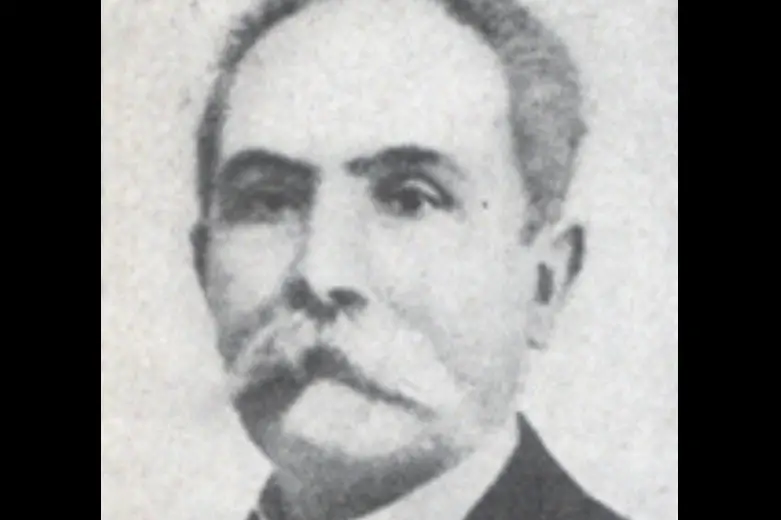
Per restare aggiornato entra nel nostro canale Whatsapp
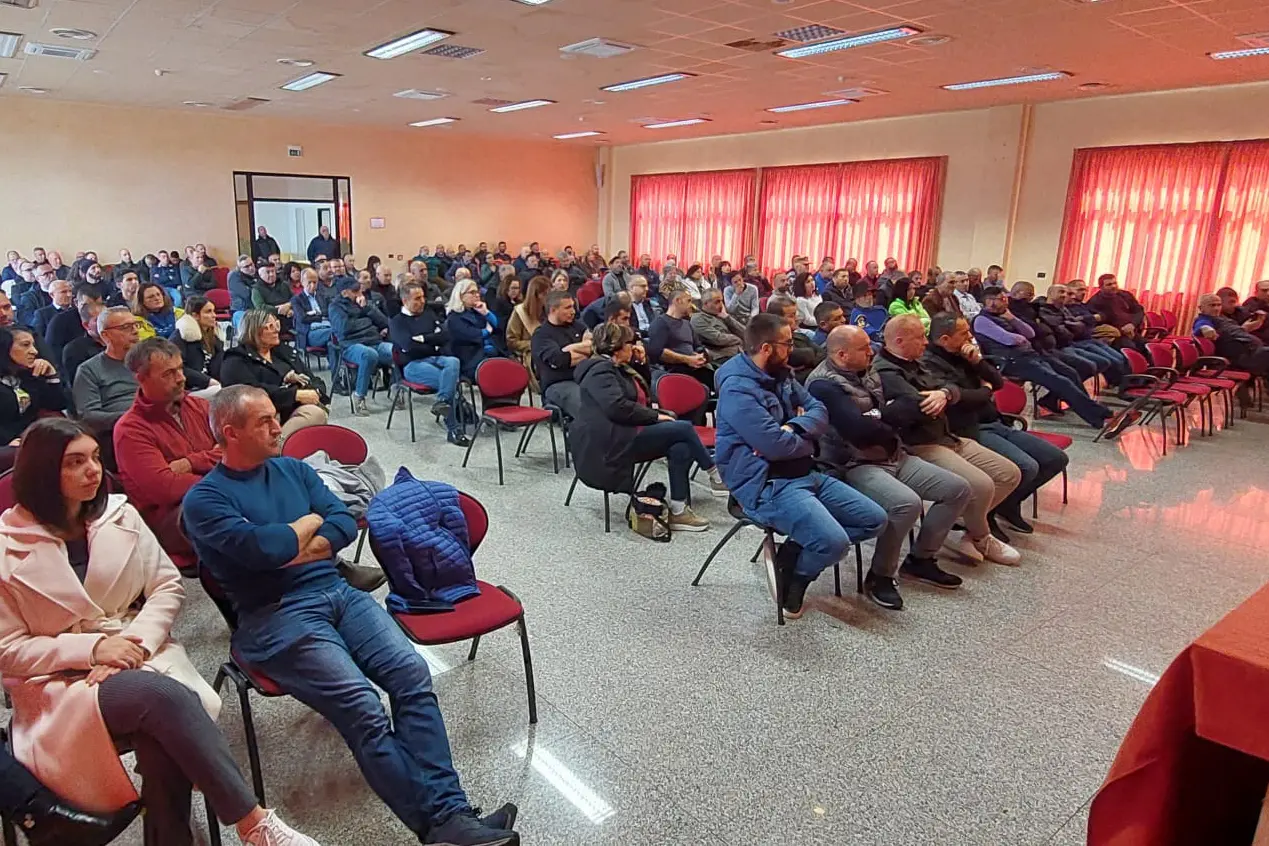
On June 25th, the Civic Museum will host a meeting dedicated to Senator Antonio Cao Pinna from Sinnai and his commitment to the region.
Ninety-eight years after his death, which occurred in Rome on May 29, 1928, Sinnai dedicates a public moment to the memory of the politician born in the town on December 2, 1842, an engineer, member of parliament for several legislatures and then senator of the Kingdom of Italy from 1924.
The meeting, promoted by Professor Giacomo Cao, the senator's great-nephew, will be held in the Sinnai Civic Museum and will provide an opportunity to retrace Cao Pinna's personal, political, and institutional profile through documents preserved in the Municipal Historical Archives.
The documents clearly demonstrate the role Cao Pinna played in supporting the Sinnai community. Correspondence with ministries, the Prefecture, the Revenue Office, and central government departments document his involvement in matters of great territorial importance: the exemplary assets, the cussorgie, the suspension of land taxes, the delimitation of land, the protection of forestry heritage, and the Sette Fratelli forest.
"The inventory of the Historical Archives of the Municipality of Sinnai," says Valerio Deidda, one of the museum's managers, "records documents relating to taxpayers' appeals, the identification and survey of the Sinnai, Burcei, and Maracalagonis cussorgie, the registration of collective companies, and the parliamentary question by the Honorable Cao Pinna regarding the Municipality's assets under review."
Its role as a focal point for the community also emerged during the First World War. In 1917, the City Council resolved to involve Deputy Cao Pinna in representing to the Government the request to employ prisoners of war interned on Asinara in agricultural work and public works, at a time of severe labor shortage due to the draft.
"Remembering Antonio Cao Pinna means giving back to the community an important part of its civic memory," says Mayor Maria Barbara Pusceddu. "The archive documents show us a representative of the institutions capable of bringing Sinnai's concerns to the decision-making bodies of the state, with concrete attention to the local issues."
"The Civic Museum and the Historical Archives are essential places for critically rereading the community's history," says the Councilor for Culture. "Through these documents, we can better understand the relationship between Sinnai, its landscape, its common goods, and the administrative transformations that have shaped the area's history."
"This event was born from the desire to share family memories passed down from my parents, memories that can also become collective memory," emphasizes Giacomo Cao, the initiative's promoter. "Antonio Cao Pinna was a man of the institutions, but he maintained a deep connection with Sinnai. Remembering him today means bringing history, archives, and community together."
The June 25th event at the Civic Museum will therefore be an opportunity to rediscover a significant figure in Sinnai's history and to promote its documentary heritage as a tool for public knowledge, identity, and participation.