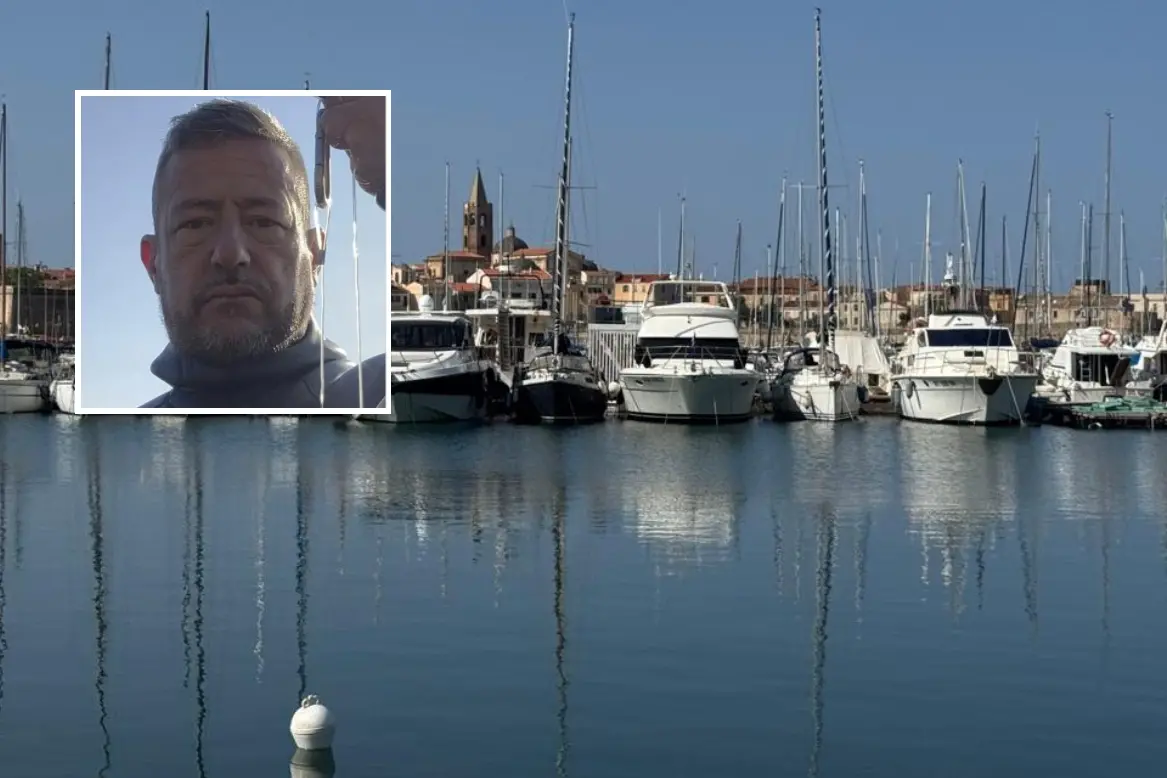


Siniscola: Uncontrolled access to Silitha Beach has been stopped.
The City Council takes a stand to protect the beach in the Capo Comino Site of Community Interest.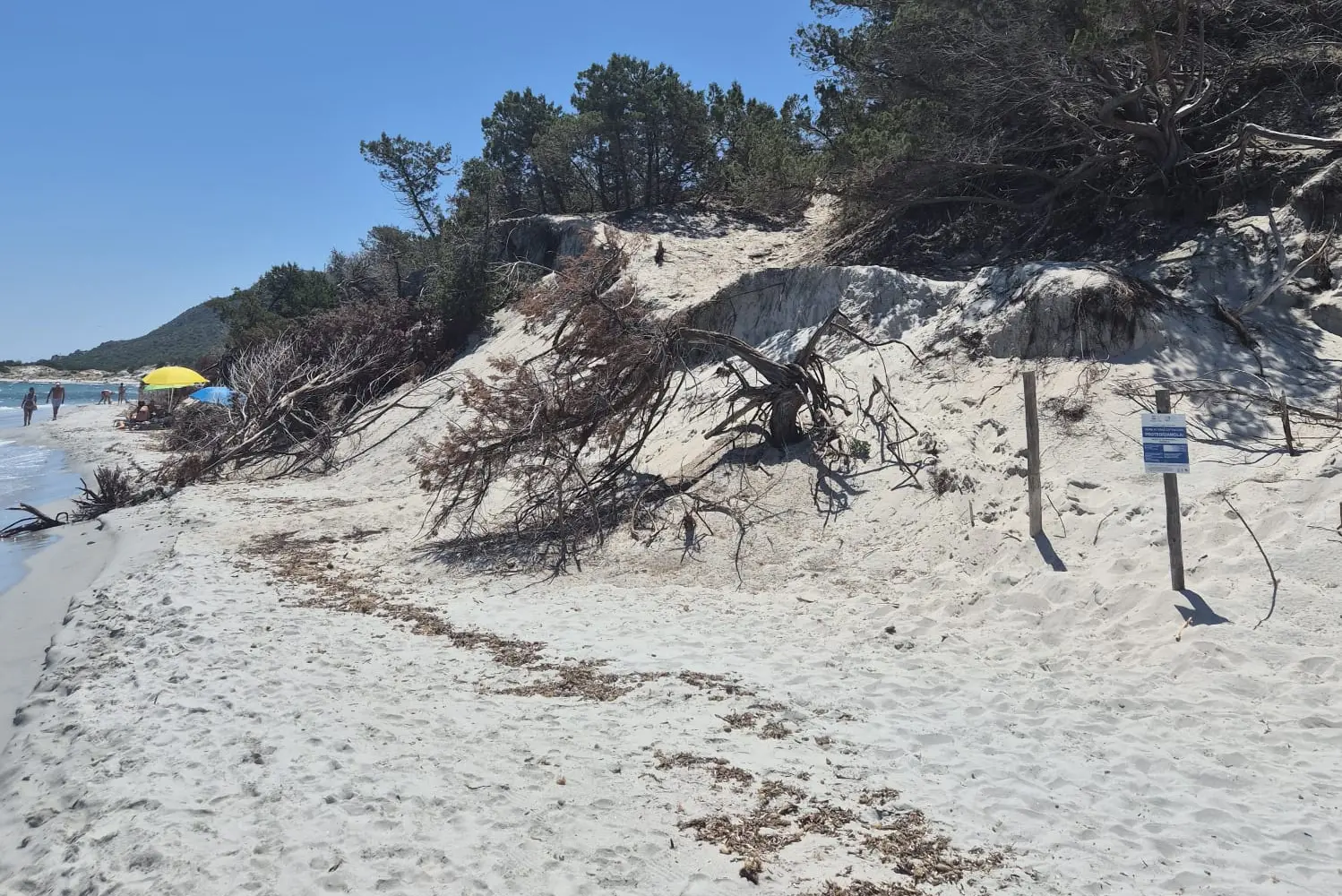
Per restare aggiornato entra nel nostro canale Whatsapp
The Siniscola City Council unanimously approved the motion presented by the GISS minority group to temporarily close vehicular and pedestrian access to Silìtha beach, in the Capo Comino Site of Community Interest (SCI). The goal is to halt the progressive degradation of the dune system, increasingly compromised by mass tourism, vandalism, and the difficulty of enforcing protection regulations.
"The temporary closure of vehicular and pedestrian access to Silìtha beach is a necessary measure to prevent the construction of new paths within the dunes and to preserve the area's natural beauty, while also preventing vandalism of the protective barriers," explains Marcantonio Farris, spokesperson for the GISS group.
The document notes that Silìtha beach represents one of the most valuable coastal environments in the municipality. The dunes provide a natural barrier against marine erosion and are home to particularly vulnerable habitats and species. However, the current access, between the mouth of the Silìtha River and the dune system, allows direct access to the beach, generating a flow of vehicles and people that is difficult to control. In recent years, new illegally opened passages between the dunes, the removal of demarcation ropes, trampling of vegetation, the expansion of degraded areas, and insufficient surveillance have been documented. For the proponents, regulating the area is insufficient if the Municipality is unable to ensure effective controls.
With the motion, the Council has committed Mayor Gian Luigi Farris and his administration to temporarily close the access road, prepare a management plan before any reopening, strengthen environmental surveillance during the summer season, restore dune protection, and close all illegal access. Remediation work on damaged areas, new informational signage, and the involvement of the Forestry Corps, Barracelli, and Forestas in monitoring activities are also planned.
The GISS group emphasizes that the measure "is not intended to limit citizens' right to access the sea, but to affirm a principle of administrative responsibility: when it is not possible to guarantee effective management of such a delicate ecosystem, the most responsible choice is to adopt temporary protection measures, avoiding damage that could take decades to repair."