

Sassari: After nearly 10 years, the Aragonese Castle's Barbican reopens.
From December 6th, St. Nicholas' Day, it will be possible to visit the site again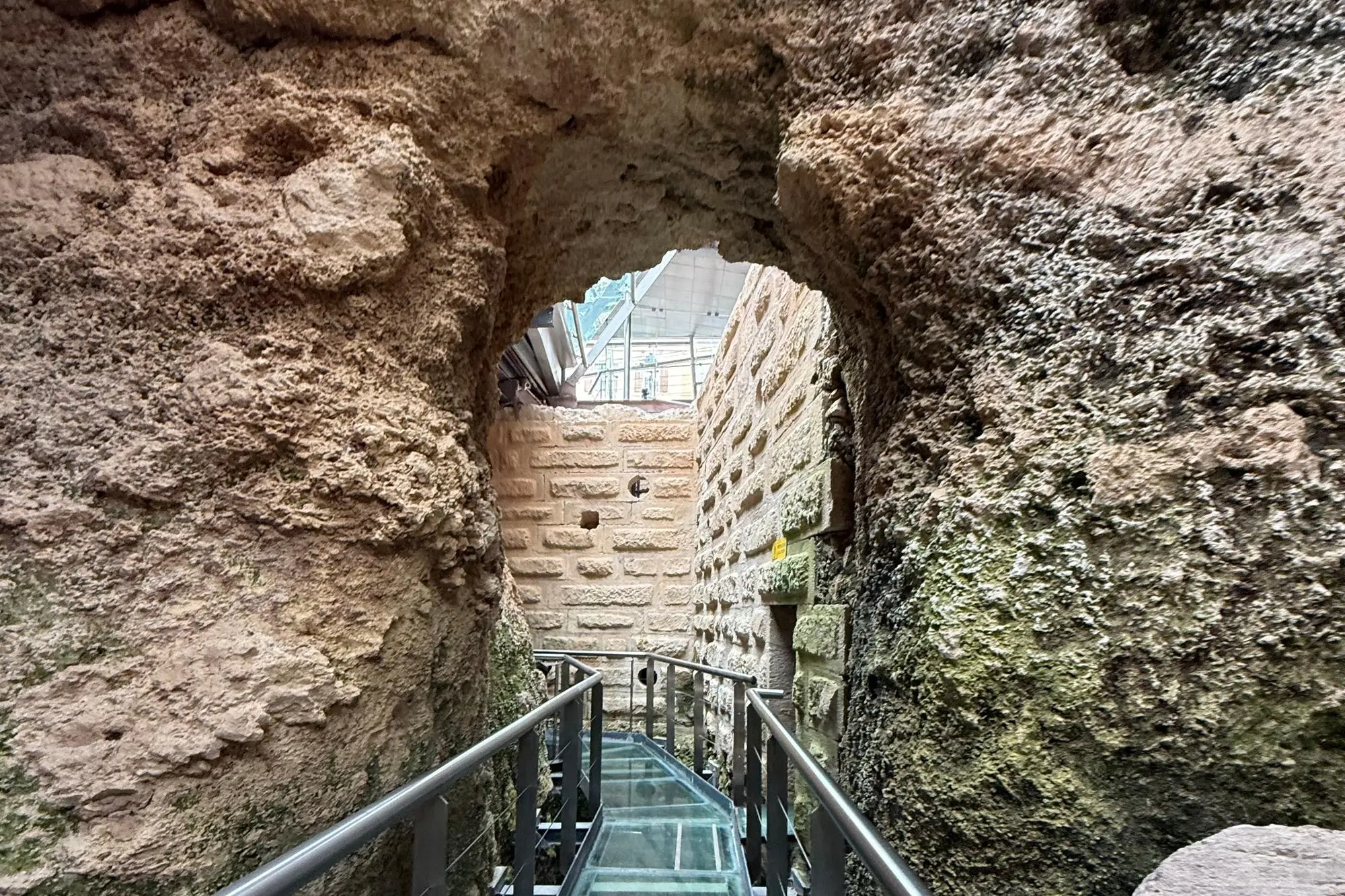
Per restare aggiornato entra nel nostro canale Whatsapp
After nearly ten years, the Barbican of the Aragonese Castle of Sassari has reopened. Starting December 6th, the feast of Saint Nicholas, the site, a defensive structure that once stood in the square of the same name, will once again be open to visitors. Tours are by reservation and with a guide, and limited groups are permitted for safety reasons. Tours are available every Tuesday, Thursday, and Saturday from 10:00 am to 2:00 pm.
"The reopening of the Barbican from the beginning of our term," says Mayor Giuseppe Mascia, "was a specific goal, which we pursued with determination, taking all necessary steps, from requesting compensation from Abbanoa to seeking funding for the necessary work." "It took longer than expected," adds Sassari City Councilor for Culture, Nicoletta Puggioni, "because specific safety measures had to be adopted to make it accessible, but today we can only be satisfied with returning to the city a monument that, in addition to being a tourist attraction, represents an important piece of Sassari's history."
Nadia Canu, an archaeologist with the Superintendency for Archaeological Heritage of Sassari and Nuoro, reports that the Barbican was discovered during excavations between 2008 and 2010. It was opened to the public but closed in 2016 due to serious flooding problems caused by leaks in the water mains. It has remained closed since then, except for a brief period during the Monuments opening in 2019. With the construction of a new pipeline between 2023 and 2024, extraordinary maintenance work was carried out, including the removal of vegetation and mold, cleaning of silt deposits, and restoration of the systems, including the lighting. The structure, spread over two levels with corridors approximately 90 meters long and 22 gun ports per floor, is one of the few surviving parts of the castle built in the 14th century. The Barbican was added later, around 1500, to meet the new needs dictated by the introduction of explosive weapons, and is located adjacent to the fortress and in the moat area. It was then buried around 1650, a circumstance which guaranteed its preservation, unlike the rest of the castle which was demolished in 1877 to build the barracks.