

Ryanair appeals to the Region: "Remove taxes that penalize passengers and tourism."
The company launches its summer operations, but warns: "The unnecessary municipal tax prevents us from increasing our service on the island."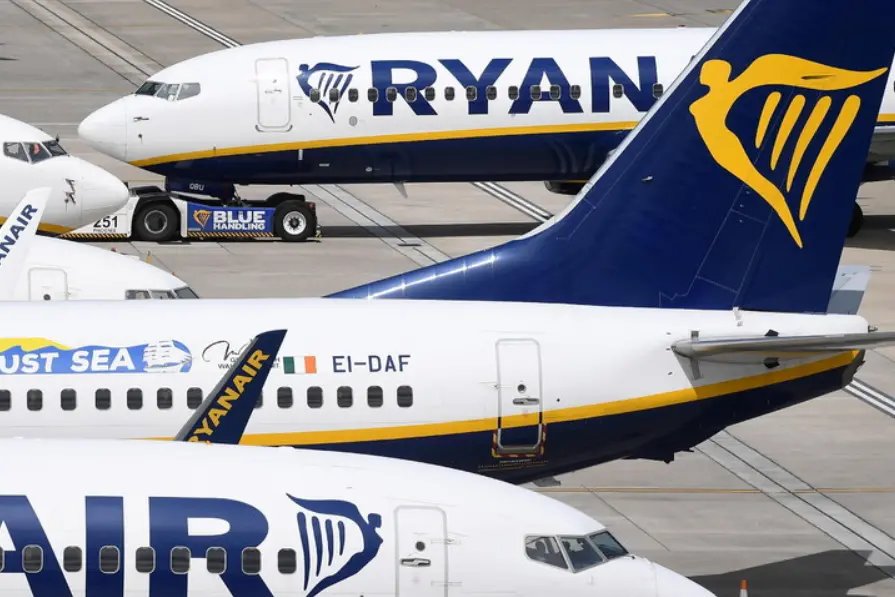
Per restare aggiornato entra nel nostro canale Whatsapp
Traffic on the island will remain flat compared to summer 2025, as Sardinia continues to impose a regressive municipal surcharge. This tax penalizes passengers, harms local tourism and employment, and limits low-cost connectivity to Italian and European destinations for Sardinian citizens.
Ryanair wrote this in a statement accompanying the launch of its summer 2026 schedule to Sardinia. This schedule, the airline emphasizes, "will not see significant growth, despite strong demand."
Ryanair's summer season plan for the island includes three aircraft in Cagliari, 73 routes in total, and support for over 3,500 jobs. However, the company states, Ryanair "cannot foresee significant growth in Sardinia as long as this unnecessary tax remains in place."
"Other Italian regions—such as Abruzzo, Calabria, Friuli Venezia Giulia, Sicily, and, more recently, Emilia Romagna —have abolished this anti-growth tax , and in response, Ryanair is experiencing double-digit traffic growth, with new aircraft and increased connectivity, tourism, and employment," the Irish carrier continues. It therefore calls on the Sardinia Region "to follow the example of these regions, which have successfully abolished the municipal surcharge and, in doing so, have unlocked year-round connectivity at the lowest fares in Europe."
«The elimination of this regressive tax – declares Fabrizio Francioni, Head of Communications Italy Ryanair – would in fact allow Ryanair to realise its ambitious growth plan for Sardinia which includes 2 million additional passengers per year (40% growth), 4 new aircraft (400 million dollar investment), a new base in Northern Sardinia creating over 900 jobs , and new domestic and non-domestic routes to and from key markets such as Germany, France, the United Kingdom and the Nordic countries».
(Unioneonline)