

Regional Council archives in ashes: no one to blame for €187 million in damages
In 2022, a fire erased the historical memory of the regional parliament. The head of Sisar was acquitted due to lack of malice, and the judges launched harsh accusations: "It was a heritage worth protecting."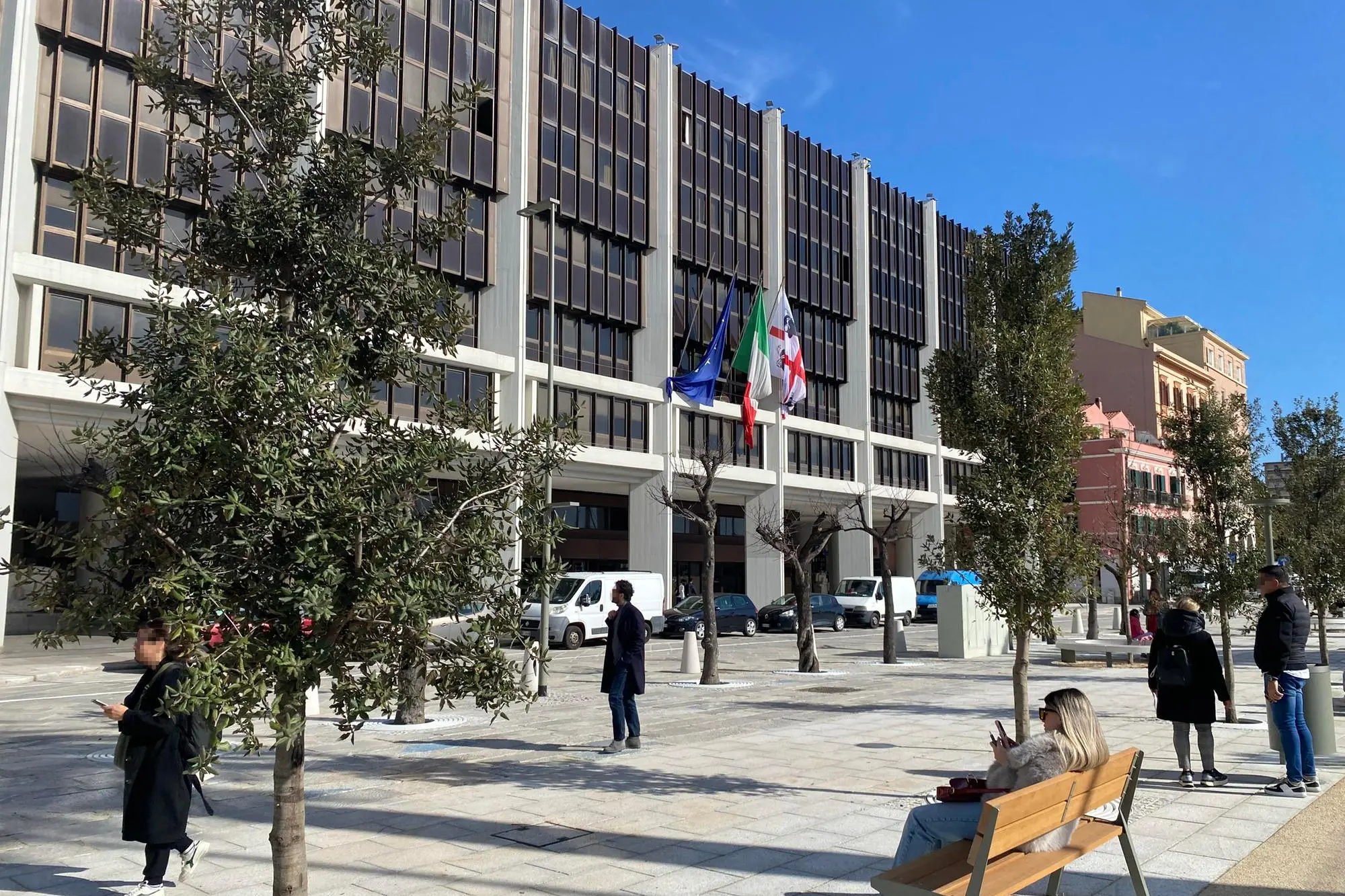
The Regional Council
Per restare aggiornato entra nel nostro canale Whatsapp
No one will be held responsible for compensation, but many may be responsible for what the Court of Auditors has described as "serious and irreversible" damage to the history and memory of Sardinia. The Regional Prosecutor's Office has estimated the damage at nearly €200 million. In the ruling that acquitted, for lack of malice, the owner of the company that managed the Regional Council's archive and library, which were destroyed in a fire that devastated the company's warehouse in Uta on January 28, 2022, the Treasury judges used harsh language to summarize the events and the omissions that may have contributed to the loss of original documents of inestimable historical value.
The responsibilities
"An additional consideration remains in the background, which arises spontaneously and immediately," reads the final commentary on the Court's decision, presided over by Judge Donata Cabras (with councilors Tommaso Parisi and Valeria Mistretta on her side): "A heritage of cultural assets of unique and inestimable value, including the Regional Council archive, established since 1949 and embodying the identity, roots, history, and very memory of the Autonomous Region of Sardinia and its proud community, to be handed down intact to future generations so that they can reconstruct their past at any time, should have been protected and preserved with extreme rigor and attention as a preventative measure through a series of targeted, timely, sudden, penetrating, and assiduous checks, given that the defendant's conduct represents only the last link in the multifaceted causal chain, centered on various actions and omissions, which, in the absence of early remedial action, has caused the extremely serious and irreversible damage." From a legal perspective, however, the Court of Auditors reiterated the need to acquit Maria Ignazia Mameli, owner of Sisar, under the "State Shield" introduced in 2020: a rule that requires proof of intent (intent) to cause the damages in order for a judgment to be awarded, which in this case was lacking.
Duro j'accuse
The trial before the Treasury judges regarding the destruction of the historical archives and library of the Regional Council of Sardinia, which were completely destroyed on January 28, 2022, in the fire that devastated the Sisar company warehouse in Uta, has concluded with an acquittal on the merits. The Sardinian Jurisdictional Section rejected the compensation claim against Maria Ignazia Mameli, legal representative of the company represented by the lawyer Piero Franceschi, while declaring inadmissible the action brought against Sisar itself, which had since entered judicial liquidation, due to a defect in the service of the summons. At the heart of the proceedings is damages of exceptional proportions: according to the assessment commissioned by the Regional Council, the destroyed archives and books had a total value of €187,421,394.91. These documents and volumes chronicled the history of the regional institution since its inception and had been entrusted to Sisar through a contract for the custody and management of the archives.
The story
The Regional Prosecutor's Office of the Court of Auditors had alleged that the company, without informing the Regional Council, had transferred the material from the Assemini warehouse, which had fire safety certification, to a warehouse in Uta deemed to lack the necessary safety requirements. This decision, according to the prosecution, would have exposed cultural heritage to extremely high risk, which ultimately resulted in the fire in January 2022. For this reason, the Public Prosecutor's Office requested that the company and its director be ordered to pay full compensation for damages based on the hypothesis of "eventual intent." The Court, however, disagreed with this approach. The judges noted that, at the time of the events, the rules introduced by the so-called "tax shield" were fully applicable, which limits tax liability to cases of intent only. And, according to the panel, this requires demonstrating intent to cause the damage, an element that—in this specific case—was not proven. Indeed, the Court observed that the fire was only an abstractly possible event, not a highly probable one, so much so that it could not be considered an intended or accepted consequence (so-called eventual intent). While acquitting Maria Ignazia Maneli, the judges concluded their ruling with a stern observation. An archival heritage defined as "of unique and inestimable value," capable of preserving the historical memory of the Sardinia Region since 1949, should have been protected through constant, rigorous, and thorough preventive controls. The conduct alleged against the company, the panel observed, constitutes only the latest link in a chain of responsibilities that led to the irreversible loss of a fundamental part of Sardinia's institutional memory.