

Price-conscious tourists and lower bills: Sardinia's restaurant industry loses 20%
Dinghy rentals are also plummeting, with peaks of 50% in the Nuoro area. Operators are calling for a move beyond the "fill the island" model.
Per restare aggiornato entra nel nostro canale Whatsapp
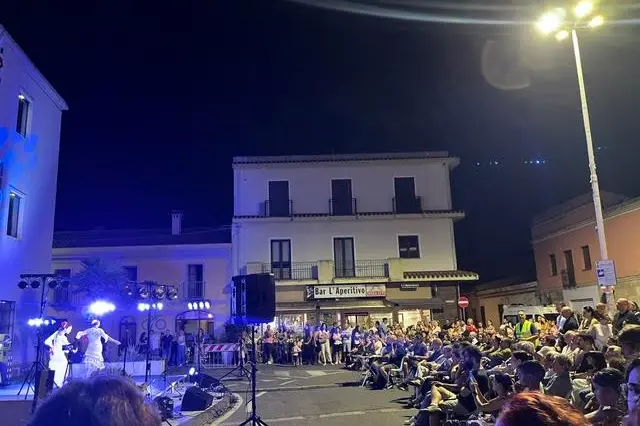
Sardinia is experiencing a tourist boom, but everyone is spending little. Visitor numbers are increasing, but spending is declining. And tourism professionals note: "We need to question the economic value left in the region." Sardinia is nearing the end of a summer that, judging by visitor numbers and bookings, might seem like a record-breaking one. But behind these numbers, a different reality emerges for many businesses that rely directly on tourist spending. Retailers, bars, restaurants, pizzerias, and tourism services are reporting a reduction in consumption, with tourists increasingly price-conscious and less inclined to spend . This phenomenon is particularly evident in the restaurant industry, where fewer meals are consumed and the average bill is lower than last year.
"According to information gathered from operators," comments Gian Battista Piana, regional director of Confesercenti, "the contraction in consumption in the restaurant and tourism-related services sector is estimated to be in the range of 20-25%, with peaks of up to 40% in some areas. For businesses like dinghy rentals, declines of up to 50% have been reported, particularly in some areas of the eastern coast of Nuoro. These data will need to be verified and consolidated by official statistics, but they raise a specific issue: visitor numbers may be growing while the economic value generated by tourism declines."
"The signal also comes from supermarkets, where spending is increasing. This seemingly positive figure could, however, indicate a shift in consumption toward more affordable options, to the detriment of restaurants, services, and tourism experiences."
The difficulties appear to affect much of the island, with some exceptions. In Alghero, for example, the operators interviewed reported business volumes essentially in line with those of last year . The growth in accommodation facilities and occupancy must also be interpreted carefully. The sharp increase in registered facilities in recent years has in fact been facilitated by the emergence of previously unregistered supply, partly due to the introduction of the CIN (Information on Tourism Inclusion).
"This is why the question can't just be: 'How many tourists come to Sardinia?'" but, above all, " How much economic value do they leave behind in the region?" "Deseasonalization," Piana concludes, "remains a strategic priority, but it must be accompanied by a reflection on the quality of tourism. The goal cannot be simply to fill the island, but to build a model capable of generating greater value, supporting businesses in retail, catering, and services, incentivizing experiences, and better distributing wealth among regions and operators."
"The true indicator of tourism success is not just how many people arrive, but how much value they leave and how much economic impact they generate," continues Roberto Bolognese , president of the association. "On this issue, it would be necessary to open a serious and transparent discussion, based on data, to understand what is really happening to the Sardinian tourism economy and what tourism model we want to build for the coming years."
"Furthermore," Bolognese concludes, " a regional strategy aimed at capturing the medium-to-high segments of international tourism demand is highly desirable, with particular reference to the most economically powerful markets, such as the United States and Arab countries . From this perspective, air connections to these areas should be progressively developed and planned, where sustainable, through all Sardinian airports, so as to distribute the benefits of tourist flows throughout the region and strengthen Sardinia's overall competitiveness."
(Unioneonline/En.Ne.)