

Marconi and the radio experiments on Caprera; Minister Pichetto Fratin will be in La Maddalena.
An initiative by the Park Authority led by Rosanna Giudice: the focus of the debate will be the presentation of the book that reveals the first radiotelegraphic evidence on the island.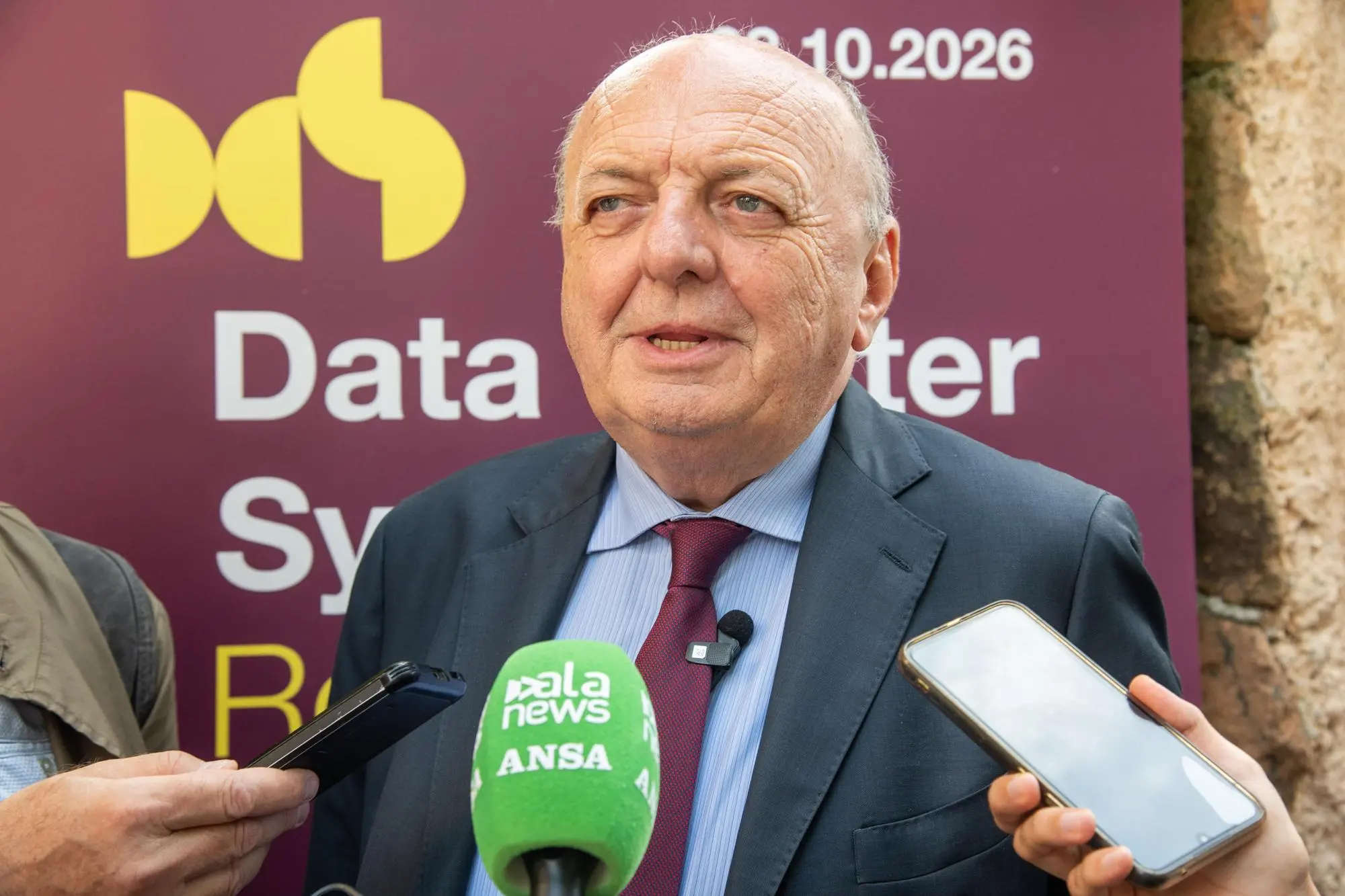
Per restare aggiornato entra nel nostro canale Whatsapp
The presence of Environment Minister Gilberto Pichetto Fratin will lend particular prominence to the conference dedicated to Guglielmo Marconi and the first radiotelegraphy experiments conducted on Caprera in 1901. The event is scheduled for November 2nd in La Maddalena , organized by the Archipelago National Park. The minister's participation was announced by the organization's president, Rosanna Giudice.
The initiative aims to bring to public attention a chapter in the island's history that is generally less well-known than Garibaldi's adventures. In the early 20th century, Caprera was the site of important technical tests designed to test the potential of transmitting signals without the use of cable connections .
During 1901, the Royal Navy conducted a series of experiments using the facility installed at Becco di Vela. The experiments, which took place over a period of several months, from May to October, enabled radio communication with the peninsula, overcoming distances that were then a technological challenge.
This experience is the focus of a recent publication, the basis of the conference, the result of research by Alberto Mureddu and Tommaso Gamboni . The book, co-authored by the National Park, is titled "Guglielmo Marconi. 1901 Becco di Vela – Isola di Caprera," published by Paolo Sorba. The authors examined documentary material from the Italian Navy, reconstructing—documents, photos, and maps—the circumstances and results of those pioneering activities.
The conference on November 2nd will explore the important connection between Caprera and the birth of modern radio communications. The minister's participation will also provide an important opportunity to raise institutional awareness of this connection and of the scientific legacy that enriches the history of the archipelago.