

Oristano University celebrates its first thirty years
Anniversary for Consorzio Uno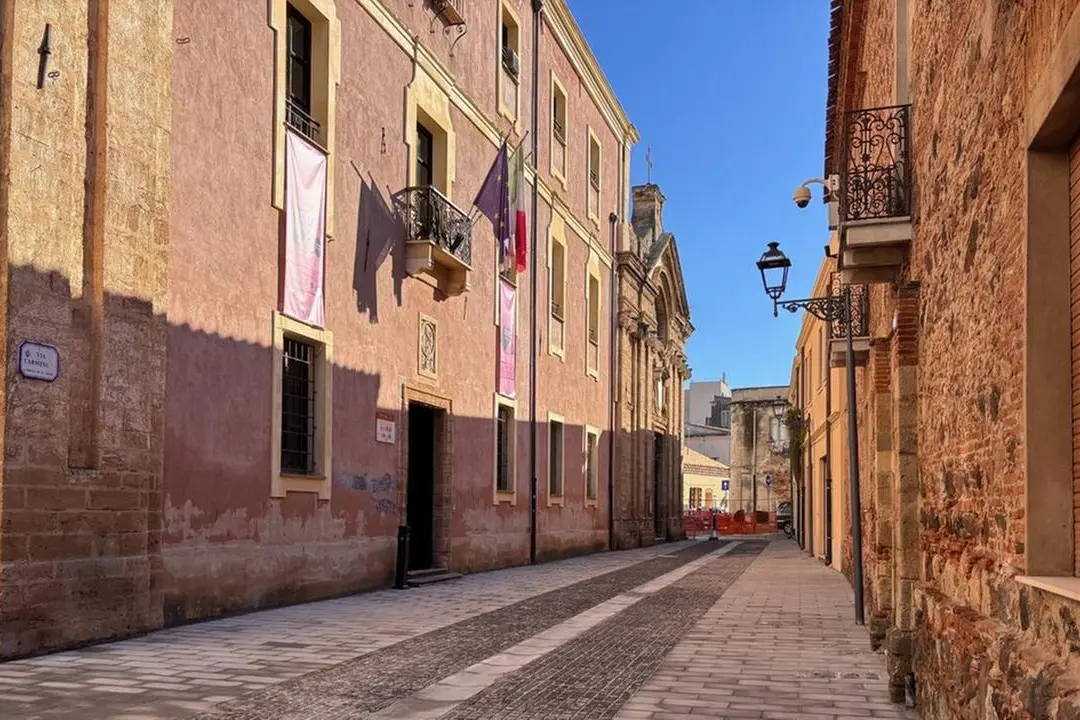
Per restare aggiornato entra nel nostro canale Whatsapp
Thirty years of university in the heart of the city. In January 2027, Consorzio Uno will celebrate an anniversary that speaks to its deeply rooted presence in Oristano, within the walls of a cloister that transforms every day into classrooms, corridors, and a meeting place.
Registration for the new academic year is still open , but the number is in line with last year's 343 students. The program includes programs related to tourism, biotechnology, food technology, viticulture and oenology, food quality and safety, and archaeological heritage.
Behind this reality lies a financial balance that continues to rely primarily on regional support. "We have no other structural funding," explains Francesco Asquer , outgoing director general and the only candidate admitted to the oral examination for the new position. "The Province provides us with the Carmine campus free of charge, while other resources come from participating in tenders and projects. The regional contribution essentially covers the costs necessary to maintain the campus and ensure the functioning of the university in Oristano."
In 2025, the Region allocated €1.427 million to the Consortium for its operations, in addition to resources for teaching in Cagliari and Sassari. But the university's budget isn't just reflected in the numbers. It's especially evident in the classrooms. In the Destination Management and Cultural Tourism program, for example, where the second year students follow different paths.
Among the most unusual stories is that of Rosella Zoccheddu , a teacher at the Lorenzo Mossa Technical Institute. "I'm the outsider in the group. I work in outgoing guidance, and during a course presentation conference, I thought this program might be right for me, too."
So she returned to school, finding herself attending classes alongside some of her former students. "It was a little awkward at first, but then it became a pleasure. I even took the Geography exam with three of my former students." And she's still unsure about her future: "I already have a job, but in the meantime, I've enriched my knowledge."
For Noemi Zurru, of Pabillonis, the value of the school lies above all in the atmosphere. "It's a friendly and pleasant environment, where people get to know each other and build a direct relationship. And then there's a detail that seems small, but isn't: the classrooms are air-conditioned, which is far from a given."
Elisa Uras, from San Gavino, also emphasizes the intimate nature of the program. "Being a small institution, it's easier to socialize with colleagues, and you build a more direct relationship with professors. You're not just a number, like you might be in larger universities." She's already looking ahead: "Our program introduces a new professional figure, one that can offer interesting opportunities in the tourism industry."
For Isaac Farella, originally from Oristano and formerly of London, it's a return. "It's my first time studying in Italy. I saw this program as an opportunity, and I don't regret it. It's a great environment, and if the opportunity arises, I'd like to stay here in the future."
For Gianvalerio Sanna, president of Consorzio Uno , the challenge is to continue building a university capable of engaging with the changing landscape and the labor market. "We're trying to enrich the region with opportunities to create services and jobs." The next step will be Nursing, with the program commencing next academic year. "Thirty years of hardship is no small feat. It's not easy to secure recognition for the rights of a region that isn't an economic powerhouse," Sanna emphasizes. Now, with the election of Sassari's new rector, "a dialogue is reopening."
And along with teaching, the issue of services remains open: "We're happy because students recognize this reality. However, we need to improve housing conditions, because this also means making Oristano a university city."