

Oristano, social and health conference: the commitment to overcome the emergency
Today's meeting with the president of the region, Alessandra Todde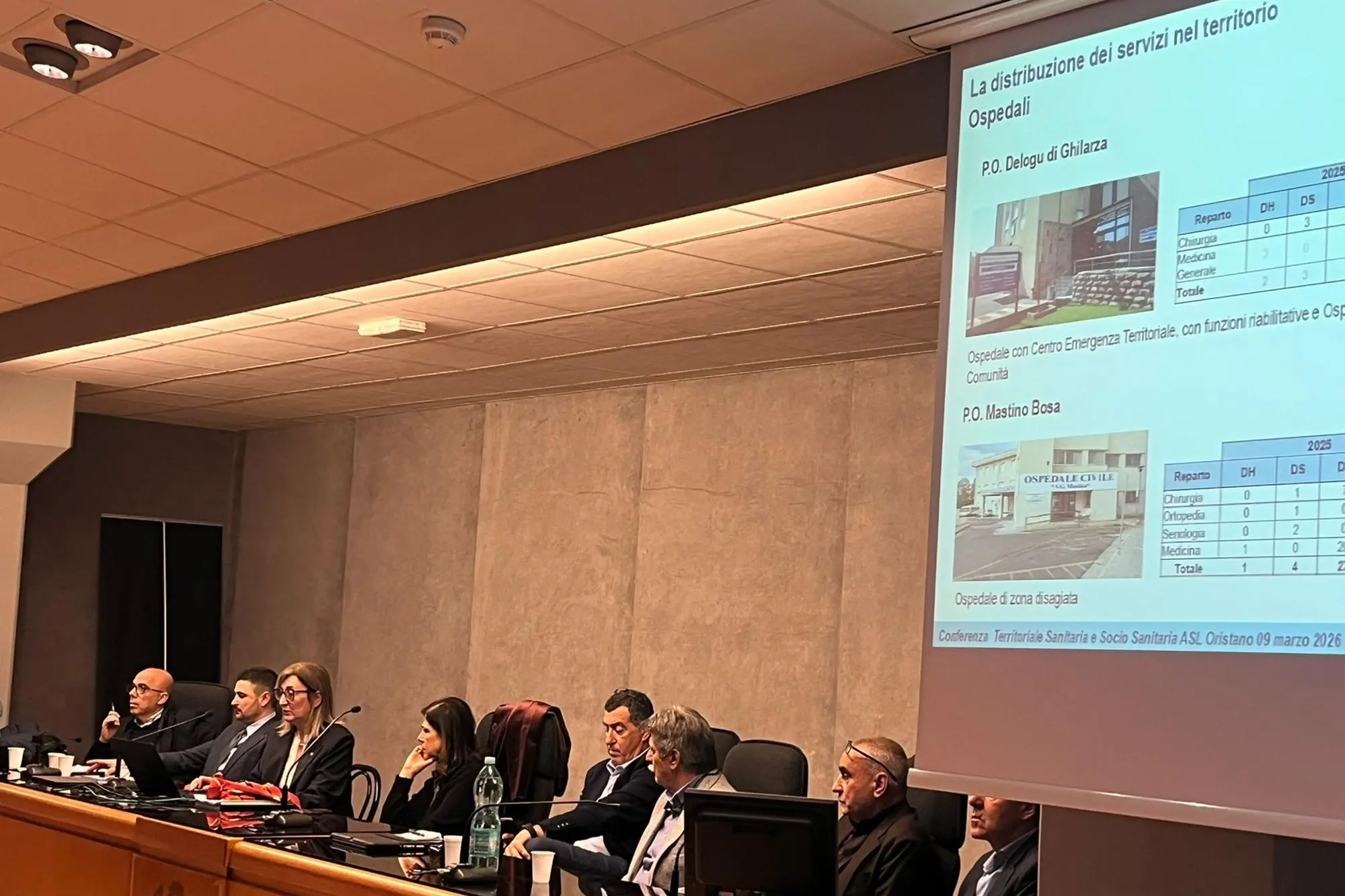
Per restare aggiornato entra nel nostro canale Whatsapp
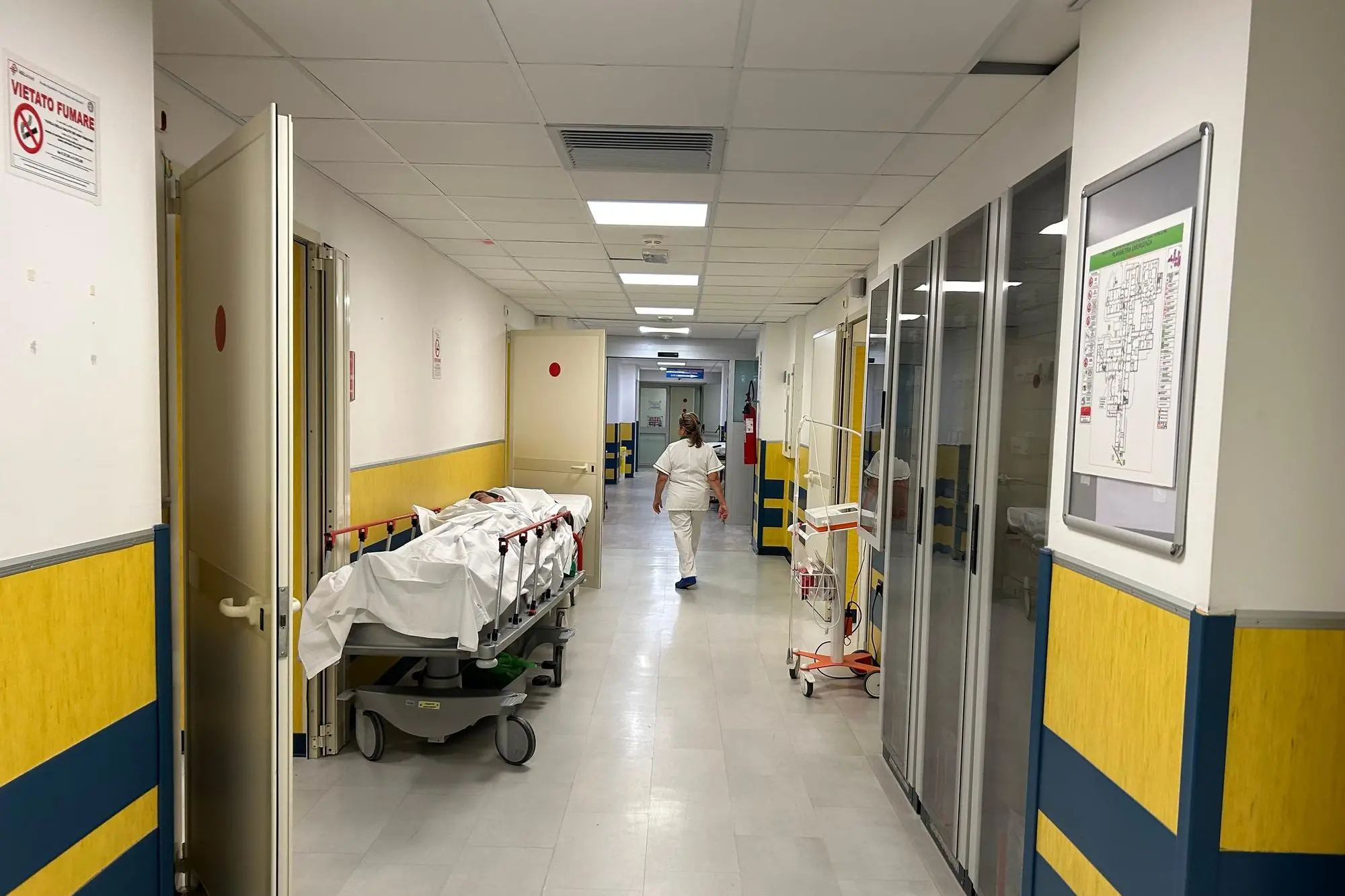
Healthcare is in critical condition. The Oristano area is experiencing a chronic emergency: the problems are evident in the numbers presented by ASL 5 General Director Grazia Cattina during the Social and Health Conference convened by President Paolo Pireddu.
"There is a shortage of 64 general practitioners across 145 locations, hospital admissions are decreasing, and while before the pandemic, 39% of residents turned to other facilities, now it's 52%."
The mayors reiterated the concept, and Regional President and Health Councilor Alessandra Todde focused on concrete solutions: incentives, a "settlement package" to support GPs who choose disadvantaged areas, community housing, a reorganization of hospitals, and telemedicine. This is the starting point for trying to revive a struggling system.
Critical issues
The director's analysis presents both positive and negative aspects: while data on cancer prevention and screening are positive, critical issues emerge in community care, with 42,000 people without a doctor, and in hospitals, where emergency room visits are on the rise (33,000 at San Martino in one year). Efforts are being made to address the emergency with Ascot centers and community centers (planned in Oristano, Ghilarza, Santu Lussurgiu, Samugheo, and Tramatza). "We must put an end to the Cagliari-Sassari duopoly, which we have watched helplessly over the years. Too many resources have remained concentrated where perhaps they were least needed," said Grazia Cattina, also speaking of the need for logistical reorganization at San Martino. The mayors listened and reiterated their concerns, highlighting the local problems, in a climate of great collaboration. "A woman with multiple sclerosis has been waiting for a visit for two years," emphasized Francesco Mereu, mayor of Ales and president of the Ales-Terralba health district. Peppino Canu, regional councilor, reiterated: "Ascot can't be structured, but since it exists, we're trying to make it work with administrative staff and IT tools."
The solutions
At the end of the discussion, President Todde focused on general medicine. "Incentives of up to €2,000 per month for two years, with an additional €1,700 for those who join the Territorial Functional Aggregations, could help fill the shortages," she explained. "I will meet with the mayors to explore possible incentives for doctors who could be housed in community homes or municipal facilities." Incentives are also available for pediatricians, as well as digital healthcare and emergency rooms. "Until June, the minor codes are covered by the cooperatives that manage the major codes," she reiterated. "The Ares procedure for 52 emergency physicians will be completed soon." Specifically, for the San Martino hospital, the president highlighted "the need to strengthen staff and certain departments, which are strategic for a first-level emergency department." A request has already been made to Ares for competitive examinations and agreements with other local health authorities. "I expect the hospitals of Oristano, Bosa, and Ghilarza to network." Finally, the commitment to further discussions with the local communities.