

Oristano, lines and endless waits at the Ascot on Via Pira: "The system is under pressure."
The situation reported by a patient suffering from chronic diseases: when she arrived she found herself faced with almost one hundred people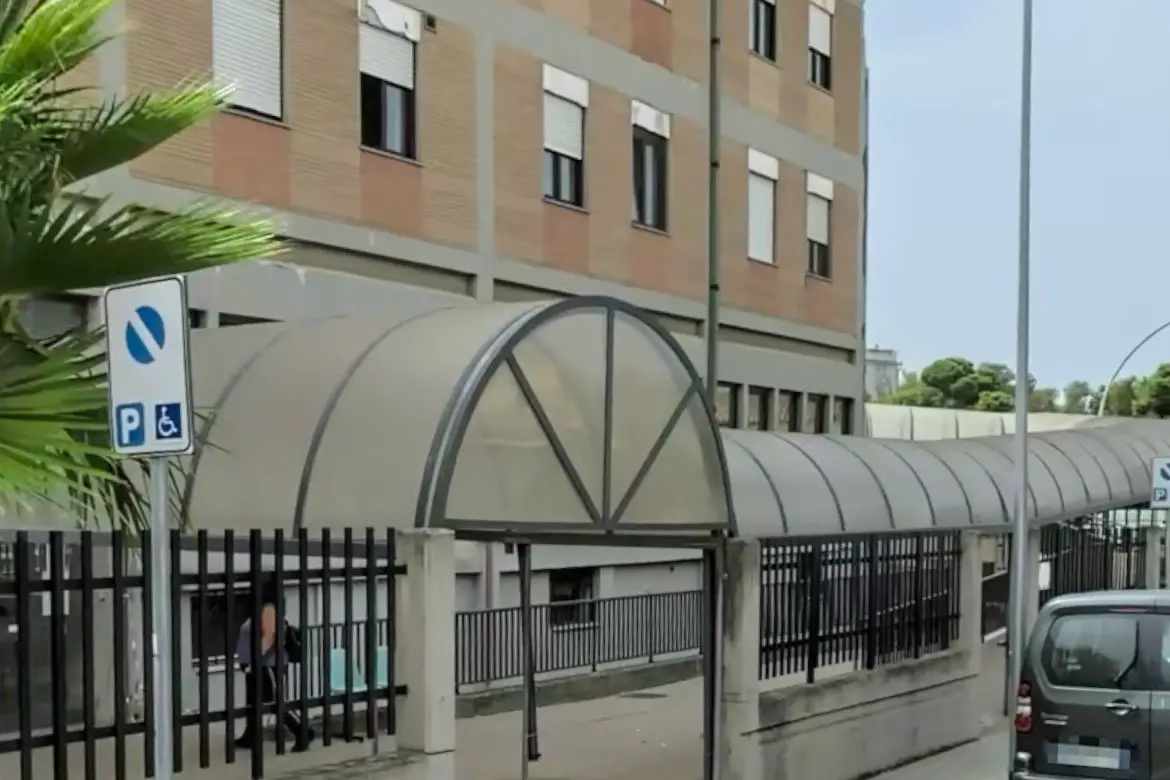
Per restare aggiornato entra nel nostro canale Whatsapp
Nearly one hundred people are waiting for an appointment at the Ascot clinic on Via Michele Pira, in Oristano. This is the situation reported yesterday by a patient suffering from chronic conditions, who arrived at the clinic at 2:00 PM and found herself with a number close to 100. By 3:30 PM, only number 29 had reportedly been called, while many patients had been there since the early hours of the morning to process the numbers distributed the previous day.
Since this incident, the Art32 Aps association has once again highlighted the difficulties faced by citizens left without a family doctor and forced to turn to special community clinics.
"The Ascots represented an important and probably inevitable emergency response during a critical time for community healthcare," says President Mario Cesare Secci. "But an extraordinary solution cannot become the standard healthcare model for thousands of frail, elderly, and chronically ill citizens."
According to Art32, long waits are no longer sporadic incidents but a sign of a struggling system. The association notes that, based on data released by the Local Health Authority (ASL 5), over 26,000 residents in the province are without a general practitioner and are treated through Ascot (Ascot) centers, while only 61 of the 123 general practitioner centers are currently covered.
"The problem is organizational and structural," Secci continues. "A chronically ill patient can't live with the constant uncertainty of having to wait in line for hours without knowing if they'll be able to access the service that day."
Art32 calls for action to strengthen community health care and warns of the risk of the emergency becoming permanent. "Community health care cannot rely solely on the goodwill of healthcare professionals and the infinite patience of citizens," concludes the association's president. "The right to health, enshrined in Article 32 of the Constitution, today requires structural, stable, and concretely accessible responses."