

Nuoro, Pratosardo tunnel closed for inspections
The tunnel will be completely closed to traffic on the night between December 16th and 17th, from 9pm to 6am.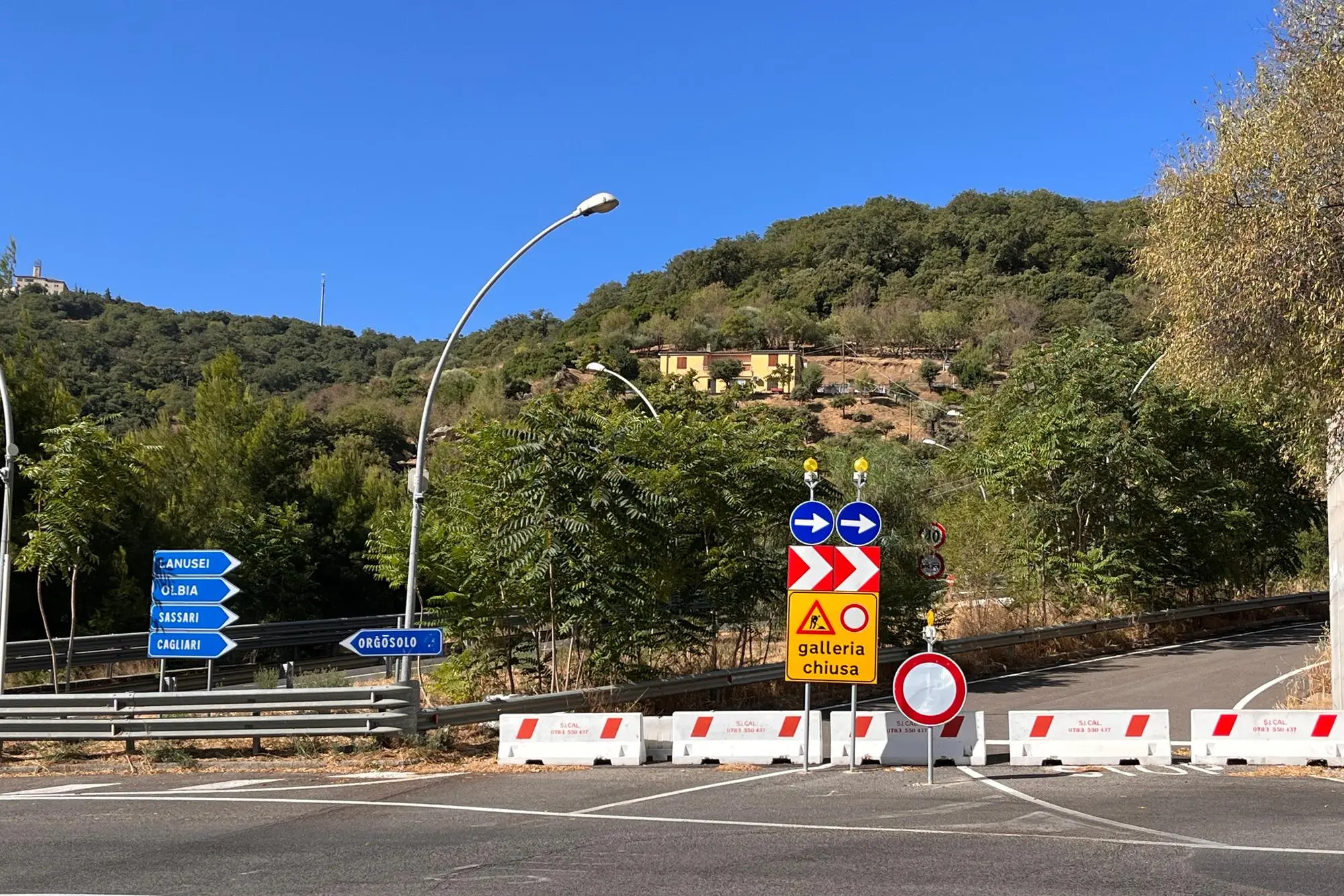
Per restare aggiornato entra nel nostro canale Whatsapp
The problems with the Mughina tunnel are raising concerns about the city's infrastructure, and the question arises: is the closure announced for the Pratosardo tunnel a precautionary measure or a sign of a broader problem?
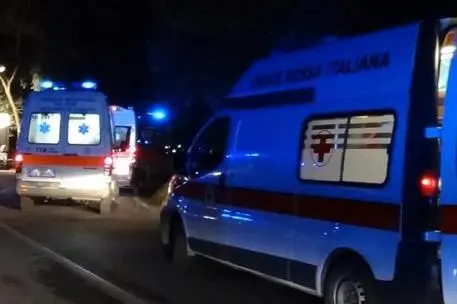
The order issued by the Local Police is clear: the Pratosardo tunnel will be completely closed to traffic on the night of December 16th to 17th, from 9:00 PM to 6:00 AM, to allow for geognostic and videoendoscopic investigations inside the concrete lining. This is a planned intervention, of course, but it was necessitated by what emerged in the nearby Mughina tunnel, closed for years and a symbol of the city's fragile infrastructure.
During safety work in Mughina, technicians discovered voids in the dome and sections where the concrete was only a few centimeters thick, compared to the dozens envisaged by the project.
This critical issue required immediate investigation and prompted the municipal offices to extend the inspections to the Pratosardo tunnel: "It is essential to avoid similar problems," the resolution states.
The new investigations, entrusted to the company Experimentations for a total cost of just over €10,000, will help clarify whether the Pratosardo tunnel also has hidden defects and whether more extensive repairs are necessary. The ordinance prohibits traffic in both directions for all categories of vehicles, except those of the company responsible for the surveys. Those coming from state road 389, the Lanusei-Nuoro route, must exit at the junction with the southern ring road; those returning to the state road must take the same route, but in reverse. In short, those heading on state road 131 DCN will enter the city. The closure of the Mughina tunnel—prolonged over the years—has already significantly complicated the city's road system, increasing travel times and congesting the main access roads. Now, even if only for one night, the closure of the Pratosardo tunnel has rekindled concerns: all it takes is one unforeseen event to jeopardize a road system that no longer has any margins. The climate is that of a city that feels vulnerable: one infrastructure has been permanently closed for years, another subjected to urgent checks, and mobility that relies on increasingly fragile alternative routes.