

Marceddì, the memory told in "Acqua bramastra" by the Granate Rosa
The volume is born from the collection of thirteen oral testimonies, enriched by numerous archival sources and newspaper articles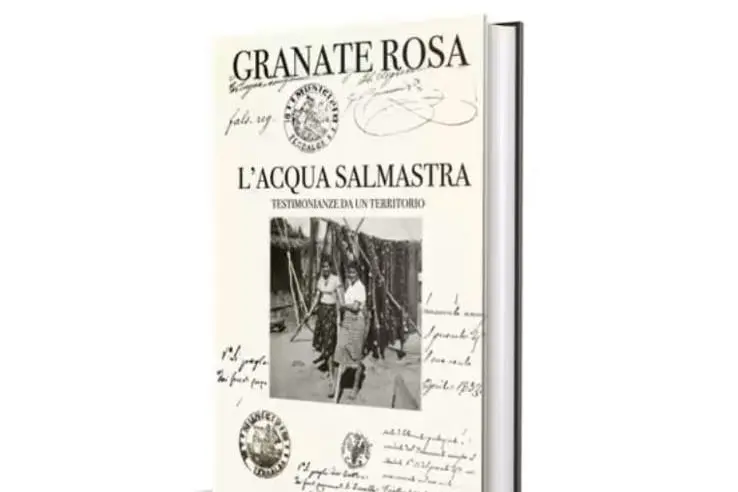
Per restare aggiornato entra nel nostro canale Whatsapp
Tomorrow, Thursday, August 6th, at 7:00 PM, the churchyard of the Church of the Blessed Virgin of Bonaria in Marceddì will host an event that promises to intertwine history, memory, and community. The Granate Rosa di Terralba will present their new book, "Salt Water. Testimonies of the Territory," in conversation with Marcello Murru, president of the publishing house Il Pettirosso.
The volume is a collection of thirteen oral histories, enriched by numerous archival sources and newspaper articles, and has a far from simple goal: to reconstruct the history of Marceddì from its origins to the present day, connecting the threads of different generations. This journey spans nearly a century of the area's history, from the testimony of Angelino Pinna, who experienced firsthand the great battles to overthrow lagoon feudalism, to that of Angelica Megaro, a young twenty-year-old fisherwoman now working in the fishing industry. The title chosen for the project is no coincidence. "Acqua brackish" (Brackish Water) evokes the idea of an element that insinuates itself into the territory and, in doing so, creates connections between Marceddì, Terralba, and Guspini, between the sea and the mainland, between the work of fishing and the religious devotion that for centuries has drawn the neighboring population of Sant'Antonio di Santadi to Marceddì.
Leading the project is Rosalba Cocco, president of the Granate Rosa , who explains the purpose of this work: " We wanted to give a voice to those who normally don't have one in history books. There are many people, especially women, who have built the identity of this area with their work and determination, yet remained on the margins of the official narrative. Collecting their testimonies before they are lost was for us an act of responsibility towards the community, but also a way to restore to these figures the dignity and truth they deserve ." The publishing project, in fact, is a true journey through history, society, and memory, capable of embracing the entire area and, at the same time, speaking to new generations. The pages of the book are interwoven with many voices, almost in chorus, animating each chapter, creating a choral fresco made up of stories of life and work. "Each testimony collected," continues Cocco, "is a small brick that adds to a larger edifice: that of collective memory. We didn't simply want to list facts and names, but to highlight the thread that binds generations distant in time yet so close in spirit. That same thread that the brackish water traces as it crosses the land . Through the various research papers, we have recounted stories and people who have left important pieces of identity to posterity, pieces of a hypothetical mosaic capable of defying the passage of time. Always attentive to the voices of women, the Granate Rosa have sought in particular to restore truth and life to female figures often left in the shadows of official history, but who with their work far anticipated the times in which they lived, embodying surprisingly modern forms of work and family emancipation.
"Presenting the book right in front of the church of Bonaria is no small detail," concludes Cocco. "That churchyard has been a meeting place for generations between fishermen and inland communities, and it is there that we want to share these stories with those who lived them or heard them told by their grandparents." It's not just a book presentation, but a moment for the community to come together, called to identify with the stories of those who came before it.