

La Maddalena, 6,000 boats a day: "Environment at risk." The Region tells the Ministry: "More sanctions and surveillance are needed."
Todde and Laconi's letter to Pichetto: "Give the park authority the power to issue fines and increase Coast Guard patrols." The Archipelago's leaders: "This isn't Gardaland."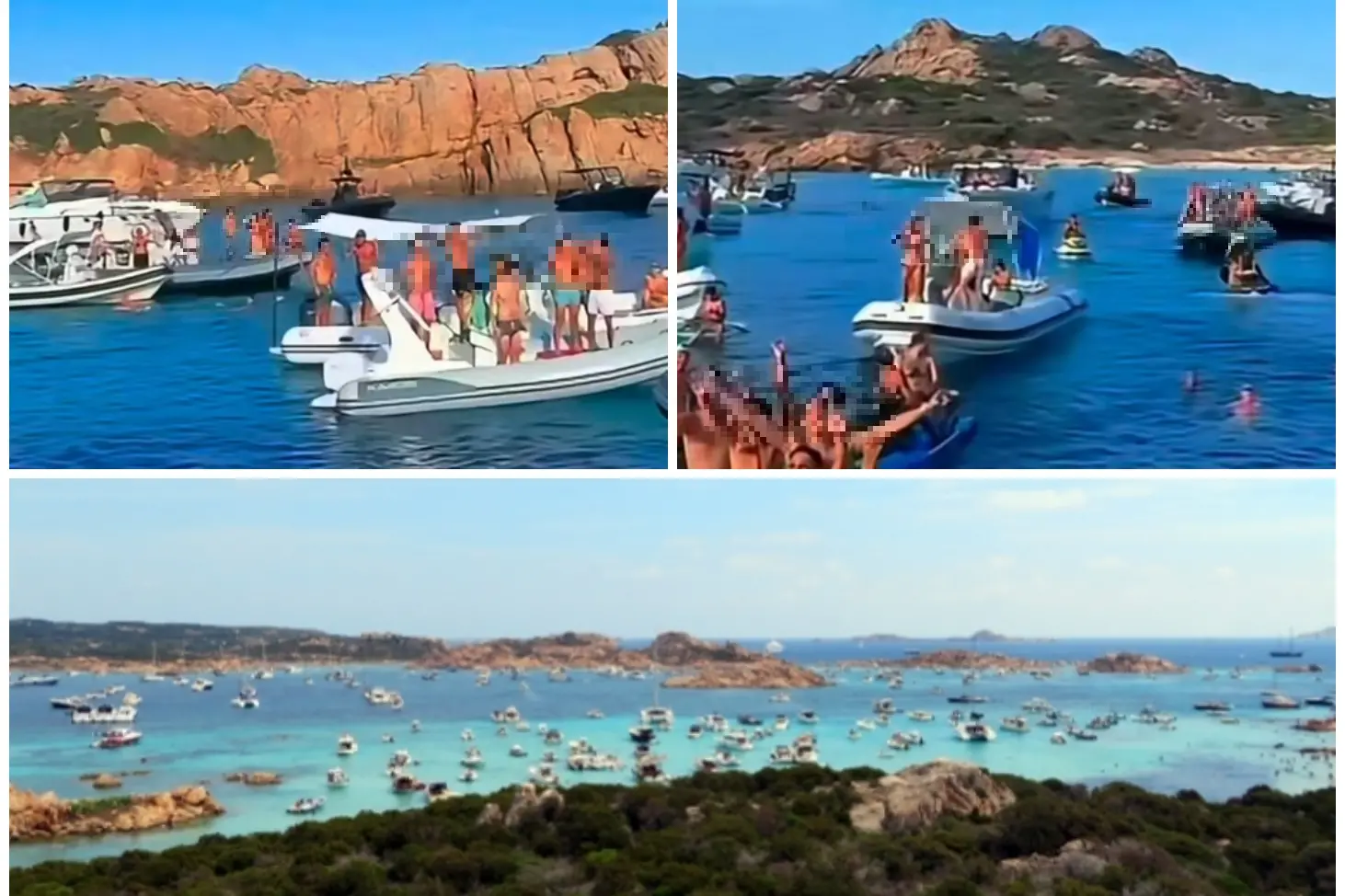
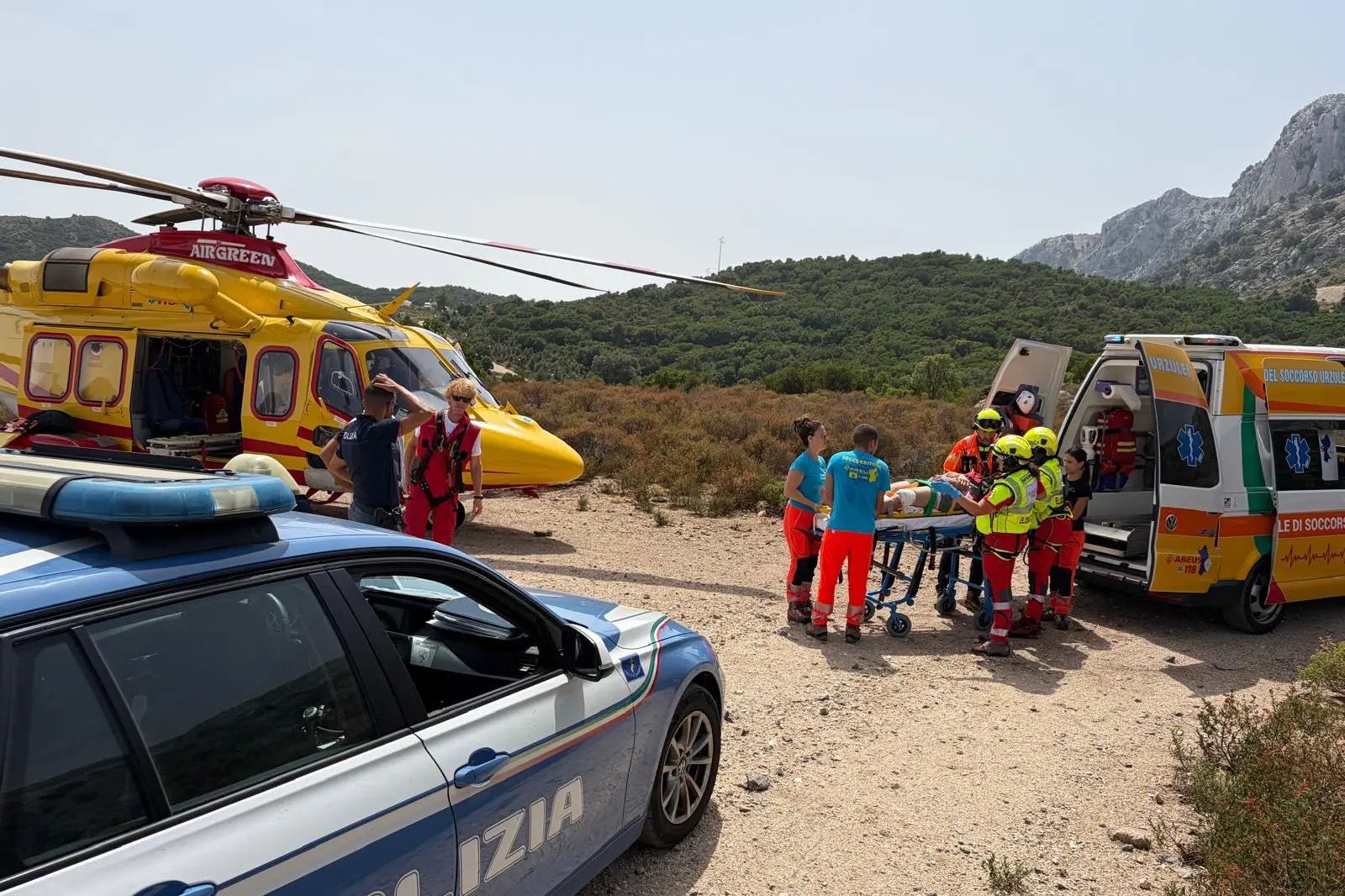
(Photo: La Maddalena Archipelago National Park)
Per restare aggiornato entra nel nostro canale Whatsapp
Following the National Park's leadership, the Region has also taken a stand on the invasion of boats in the La Maddalena Archipelago during the summer. "We must stop entering the Park as if we were entering Gardaland," said Park President Rosanna Giudice in a social media post , announcing the authority's intention to launch "a strong operation" to combat abuses and violations.

Now Villa Devoto has announced that it has sent a letter to the Minister of the Environment and Energy Security focusing on the progressive degradation of the Posidonia oceanica meadows in the Archipelago , requesting intervention on five fronts within the state's jurisdiction, after "over 6,000 boats a day have flocked to the meadows of priority habitat 1120* during the summer peaks ." In the letter, signed by Governor Alessandra Todde and Environment Councilor Rosanna Laconi , the Region requests "the qualification of judicial police for park authority surveillance personnel, sanctions proportionate to the ecological damage, and the strengthening of the Coast Guard's presence at sea."
The affected area, it is explained, encompasses three distinct protection regimes: a national park pursuant to Law No. 394 of 1991; the Natura 2000 network site ITB010008 "La Maddalena Archipelago," designated a Special Conservation Area by Ministerial Decree of January 11, 2022, and simultaneously classified as a Special Protection Area; and a portion of the Pelagos Sanctuary for Mediterranean marine mammals, ratified by Law No. 391 of 2001. Each regime creates its own obligations, and each, the Region notes, is currently being disregarded for the same reason: the lack of effective oversight.
Furthermore, "During the peak summer weeks , pressure is concentrated in the most fragile areas—Caprera, Spargi, Budelli, Santa Maria, and the islands north and south of Mortorio—and acts along three axes : anchoring on seabeds colonized by Posidonia oceanica, with mechanical uprooting and fragmentation of the meadows; wave motion and excessive speed, which accentuate beach erosion; increased turbidity and uncontrolled discharges, which reduce the plant's photosynthetic activity. The same factors impact the residual populations of Pinna nobilis, already in a critical state of conservation, and the marine mammals that regularly frequent these waters."
Conservation measures—the Region highlights—are disregarded daily and on a large scale, with no consequences for the violator. Park Authority staff do not have the qualifications of judicial police or the power to impose sanctions: they can inform and report, not challenge. Supervision remains entrusted to the Port Authority and the Forestry and Environmental Protection Corps, with resources not commensurate with the size of the area. Fines routinely applied for anchoring on seagrass meadows range from a few dozen euros, perceived by high-end yachting companies as an additional cost of navigation . In France, a country party to the same Pelagos Agreement, violations are prosecuted before the maritime court, with much higher fines, which can include a temporary ban on navigation.
The Region also notes that it has already initiated, within its scope, a cooperation process with the Maritime Administration: with Regional Council Resolution No. 36/21 of July 15, 2026, the draft Memorandum of Understanding with the General Command of the Port Authorities - Coast Guard was approved, which specifically includes monitoring of marine protected areas and Natura 2000 sites. The Memorandum provides an already established implementation framework, in which the Ministry is asked to support the inclusion of a specific line of activity dedicated to the protection of the La Maddalena Archipelago.
"We are not calling for new bans: the existing ones are already more than sufficient; we are asking for someone to enforce them," Todde and Laconi write in the statement. "A priority European habitat cannot be left to the goodwill of those who cross it, and those who damage it cannot get away with a fine of a few dozen euros. Sardinia is doing its part, but supervisory powers and the sanctions regime are a matter for the state: we are asking the Minister for a response on this."
(Unioneonline)