

History of Nurcara: The Superintendency stops in Monteleone Roccadoria
On October 18th at the Social Center, a focus on the domus de janas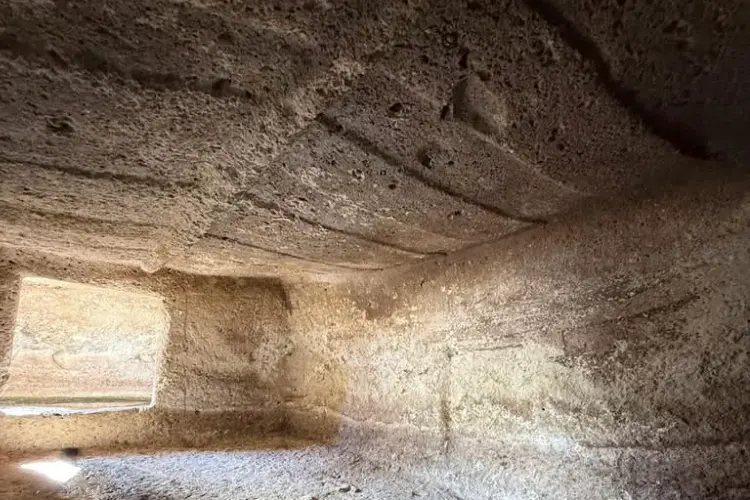
Per restare aggiornato entra nel nostro canale Whatsapp
As part of the "Small Villages, New Energy" event—part of the broader program of the outdoor event "Water and Rock"—the Superintendency of Sassari and Nuoro will be present in Monteleone Rocca Doria on October 18th, at 11 a.m. at the Social Center, as part of a seminar dedicated to archaeology and history in Nurcara, with a focus on the area's domus de janas: Puttu Codinu in Villanova Monteleone, Monte Airadu in Romana, and Coa de Pedru in Padria. This will provide an opportunity for discussion to enhance the memory and prospects for cultural development of our small towns. Monteleone Roccadoria itself has ancient origins, as evidenced by the archaeological sites in the area. The region in which it stands was once called "Nurcara" and encompassed all the valleys and mountains crossed by the Temo River. In the Middle Ages, the village was owned by the Genoese Doria family, who built the castle and fortress during that period. Of particular interest is the necropolis of Puttu Codinu (rock well), an archaeological site located in the municipality of Villanova Monteleone, near state road 292 leading to Monteleone Roccadoria. A necropolis with nine underground tombs, Domus de Janas, was discovered on the site, in an area with exposed rocks. The tombs were discovered by chance during recent excavations. It is believed that the site began to be used in the Late Neolithic (3500 BC).