

Guspini, over 6,000 "walkers" along the Santa Barbara trail
The historical-cultural journey was the focus of a conference in Guspini dedicated to the positive impact it has on local businesses.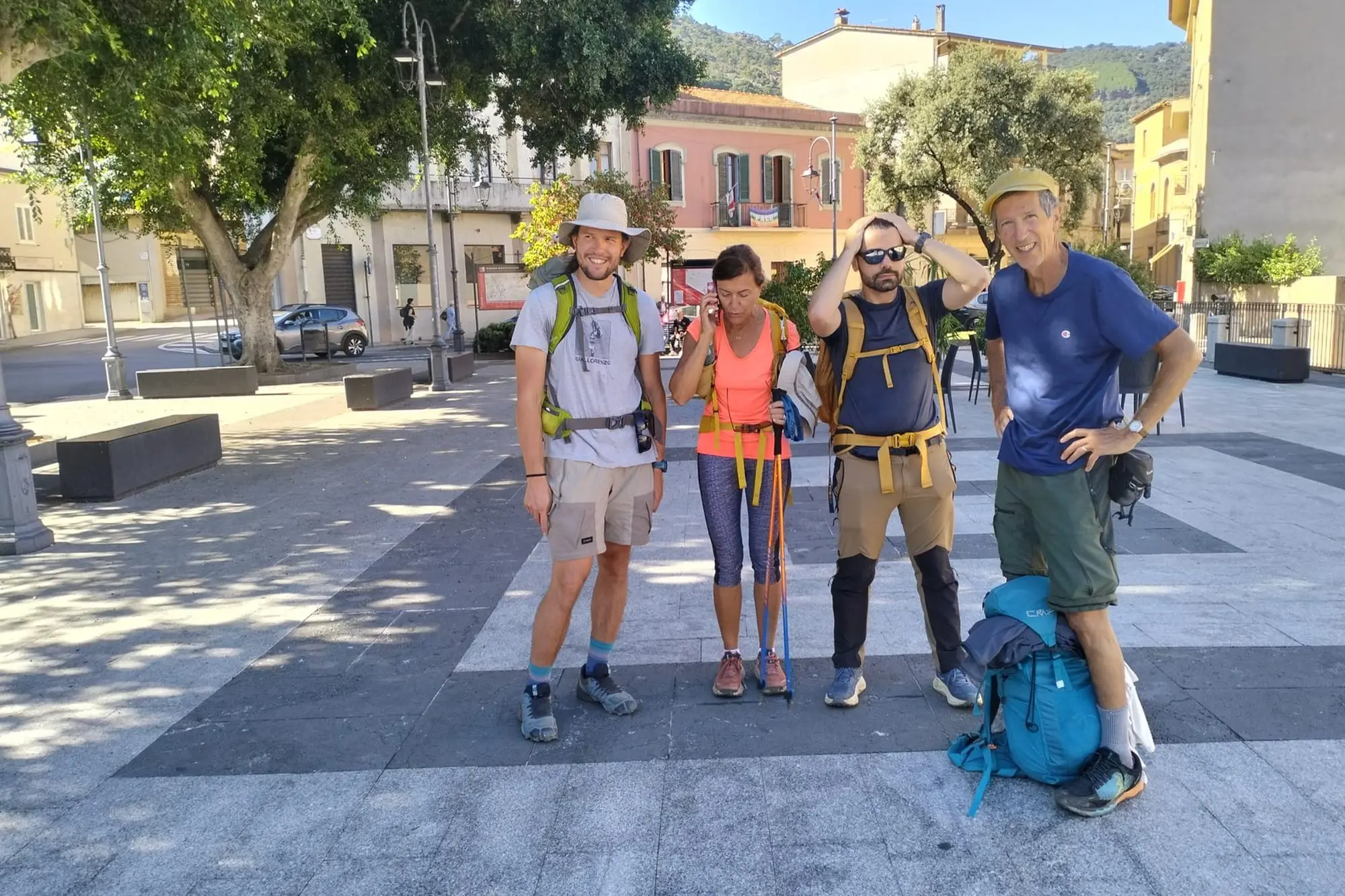
Per restare aggiornato entra nel nostro canale Whatsapp
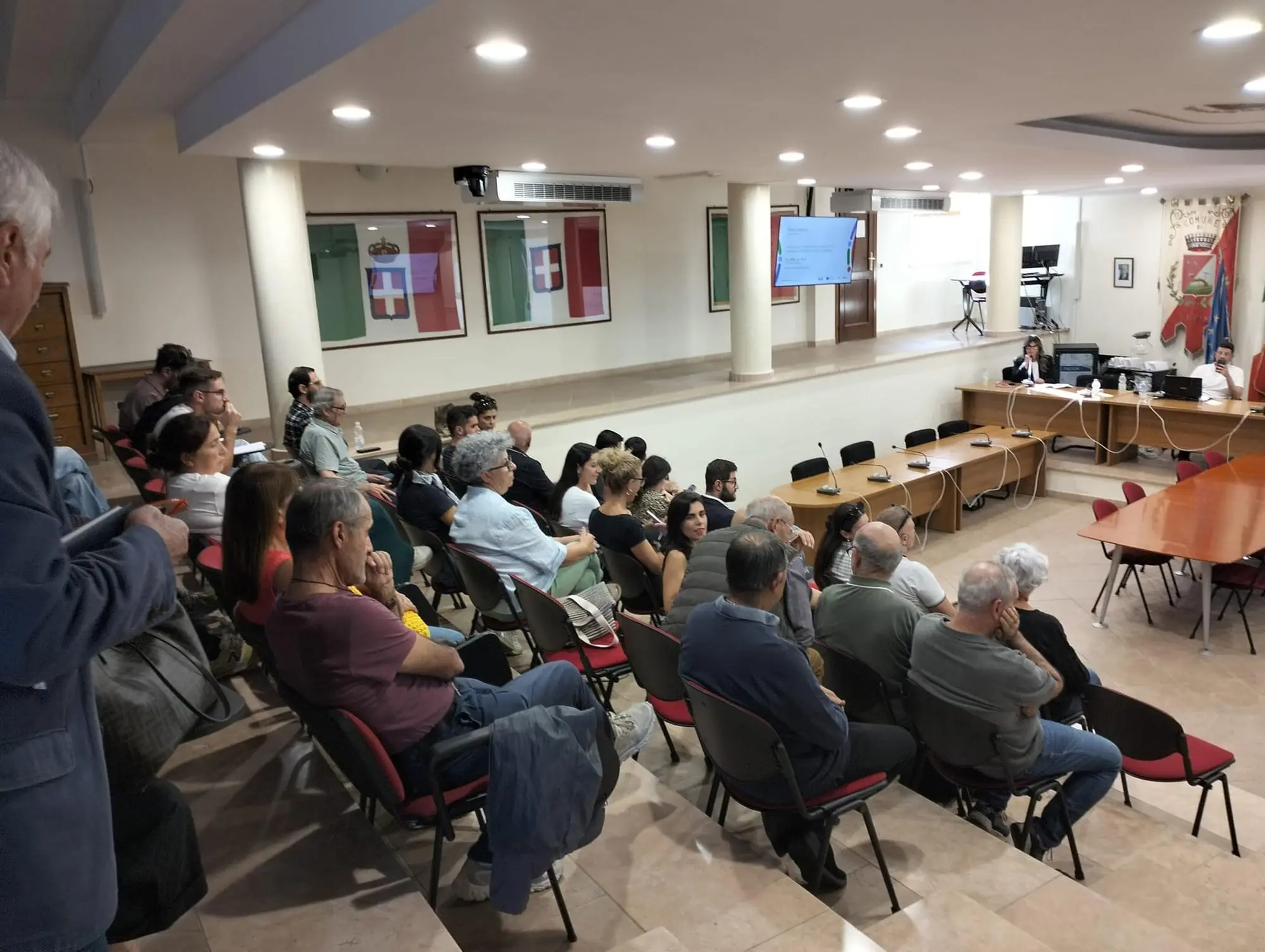
On Thursday, October 16, at 4:00 PM, in the council chamber of the town hall, the management of the Santa Barbara Mining Trail Foundation (CMSB) met with businesses, associations, and citizens at a public meeting entitled "The Trail that Generates Business." The event was sponsored by the Municipality of Guspini and is part of the Cohesion Italy 21-27 Sardinia program, co-financed by the European Union, the Italian State, and the Autonomous Region of Sardinia. The focus was on three themes: the Trail's numbers, the functioning of the Mìnera Card system, and the concrete opportunities for local businesses.
The central message was clear : "With the Mìnera Card, the system of services and agreements designed for walkers, local businesses can officially join the circuit, be found, and network." This is an opportunity for those visiting the areas, but also for those providing services. Marco Erbi, representative of the Linas villages in the Foundation, reiterated this: "Operators will be able to register and use a portal to provide services in an organized manner. Meals and overnight accommodations can make a difference and boost tourism along the route."
The voice of the walkers
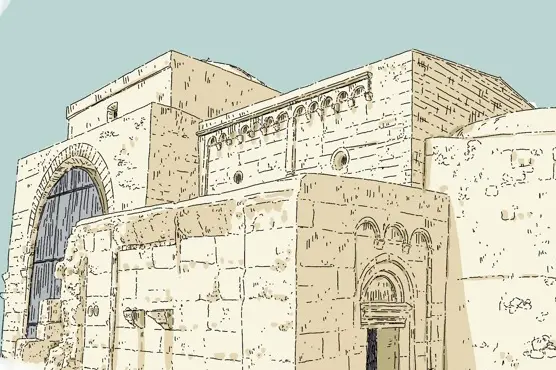
This is confirmed by the testimony of three hikers from Ivrea, Cristina Casonato, Francesco Turzio, and Luca Matiussi, who stopped to admire the 17th-century church of San Nicolò in Guspini's main square: "The places are beautiful because, in addition to the natural beauty, you can admire the remains of the mining buildings. Unfortunately, there are no services; more explanatory details would be useful. The welcome was wonderful." A clear signal: the area is fascinating, but it needs more organization, despite a tourist influx that fuels an increasingly complex network, now composed of 175 affiliated operators including accommodations, restaurants, museums, and tourist services.
The mayor: networking
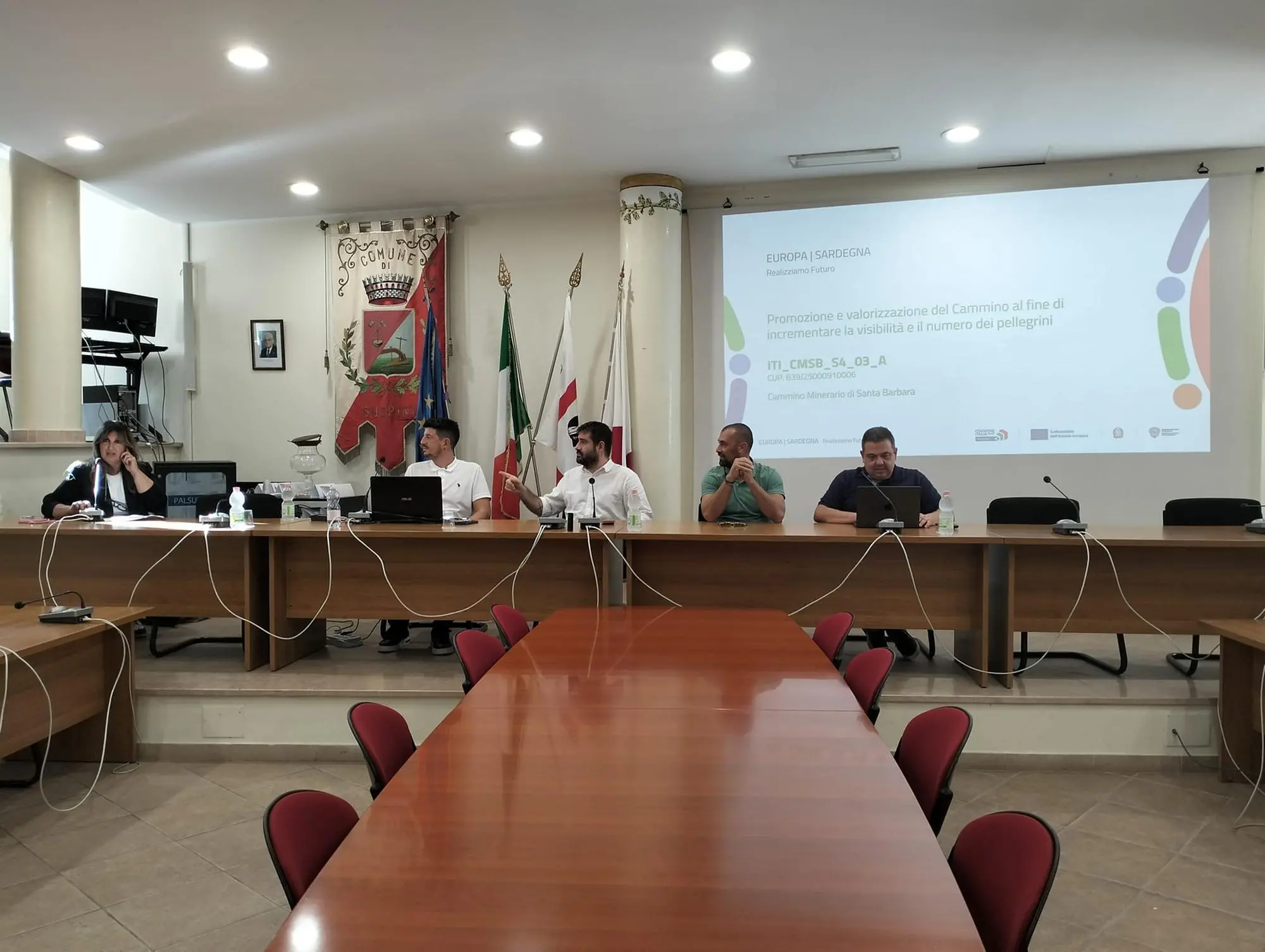
In his speech, Mayor Marco Pala applauded the initiative: "We need to network; each node contributes to creating a network that provides services to those who visit our area. Connecting and understanding the tools the Foundation provides is key to tourism. With the card and the portal, every walker can create their own itinerary. Montevecchio is a place of excellence."
The numbers of the boom
Andrea Tarozzi, head of the CMSB Foundation's ITI (Information and Training Institute), and Simone Franceschi, in the presence of numerous local tourism operators, including owners of accommodation facilities, restaurateurs, guides, and hospitality services, presented the seasonal data: a constantly growing flow of hikers, thousands of walkers year-round. "Many have already arrived, and many more will arrive." Franceschi's data is significant: "The numbers speak volumes about the value of the Camino. In 2026, credentials sold reached 5,000, compared to just 50 in 2018. This represents significant growth in recent years, with 3,450 credentials sold in 2024 and 4,200 in 2025. Including walkers without credentials, the estimated number of hikers for 2026 rises to 6,300, with approximately 25,000 overnight stays and an average stay of four nights." "These numbers translate into concrete benefits: the estimated direct spending on the local area reaches 2.18 million euros, calculated on an average daily expenditure of 87.29 euros per walker," concluded the foundation's administrator.
An economic and cultural infrastructure
Director Andrea Tarozzi explained: "The territorial development project, as confirmed by the growth in visitor numbers, is not just a result in terms of attendance, but an opportunity to generate economic growth, support existing businesses, encourage new initiatives, and strengthen the bond between visitors and local communities. This perspective necessarily requires dialogue between the Foundation, local authorities, and operators, key players in a hospitality model that aims to transform Sardinia's identity into shared value."
Operators were presented with the Mìnera Card, the service card that allows participating businesses to join the official network, be geolocated on the app and website, offer certified services, and intercept traffic flows. "The Camino isn't just a trail, it's an economic and cultural infrastructure. We must seize the opportunity now, because the demand is there," Tarozzi concluded.