

(Few) uncivilized people and incorrect waste collection: waste chaos in Is Mirrionis, the Municipality is relying on volunteer "vigilantes" and incentives.
A study into the deficiencies of waste separation in a densely populated Cagliari neighborhood: Massimo Zedda's government approved a project to strengthen the service.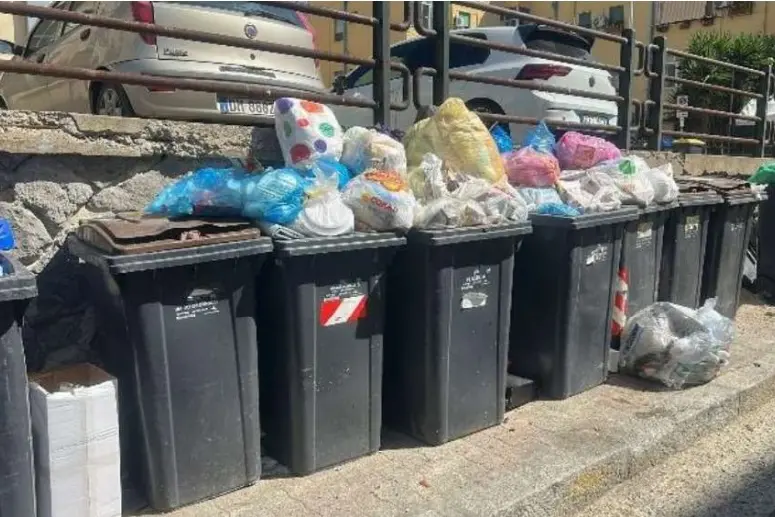
Per restare aggiornato entra nel nostro canale Whatsapp
A "site representative" selected from among condominiums and associations will oversee and provide support for proper waste disposal. A €5,000 incentive will be provided to the legal entity (association) identified by the Municipality, which will contribute to the program's success and participate in the initiatives to be implemented. Increased oversight will be provided, with periodic reports to monitor the achievement of objectives.
These are three pillars of the plan approved by the Municipality of Cagliari for the implementation of separate waste collection in the Is Mirrionis neighborhood: one of the areas—along with Sant'Elia—that has experienced the greatest challenges in managing the waste delivery and collection system.

The project adopted by Massimo Zedda's government was conceived by the Roberto Spera Srls firm, based in Potenza. It's the result of on-site inspections and data analysis that revealed numerous flaws in the current system. The result? A staggering concentration of waste piles and illegal disposals.
One of the new findings from the analysis concerns the number of uncivilized residents: there are far fewer of them than one might think: " Many neighborhood residents carry out separate waste collection," it states, but "the result risks being undermined by the sluggish collection of waste and the overall disorder that generates disaffection and frustration." During the monitoring, it was revealed that "the operational team, in its emergency response" to clear piles of garbage, "limited itself to picking up all the waste on the ground together, regardless of the material. This behavior, dictated by a hygienic need to collect bags and overflowing waste, only fuels the general feeling of disaffection and disinterest among residents." In short, even those who regularly separate their waste are at risk of thinking, "Who makes me do it?" due to a few uncivilized residents and an inefficient municipal system.
The study revealed "dilapidated and obsolete wheeled bins",
«bins not approved according to the Uni 11686 standard» which would identify the colours for disposal», «dedicated wheeled bins, without distinction between Ud (domestic users) and Und (non-domestic)», «waste of various origins and indiscriminate abandonment»,
"bin locations to be reviewed and/or eliminated", "portions of critical areas to be remediated and restored" but also "irregular service frequencies and in any case to be redesigned".
In short: it's the fault of uncivilized people but also of inefficient waste collection. Furthermore, "from the overall count of the names present at the individual street numbers, the Spera study staff found a number of users (462) that is almost 23% higher than the total number (376) recorded by the Municipality. This means that the Municipality is serving a significantly higher number of users than those who pay the Tari."
The City Council is now attempting to address the situation through voluntary monitoring, incentives, plastic collection containers, and information campaigns. The goal is to improve the situation within the first six months of implementing the project guidelines.