

Even in the Middle Ages people landed on the Costa Smeralda: in Arzachena there are traces of three small ports
The results of a study by archaeologist Marcello Cabriolu were presented. The name Porto Cervo also appears on a Pisan map from 1290.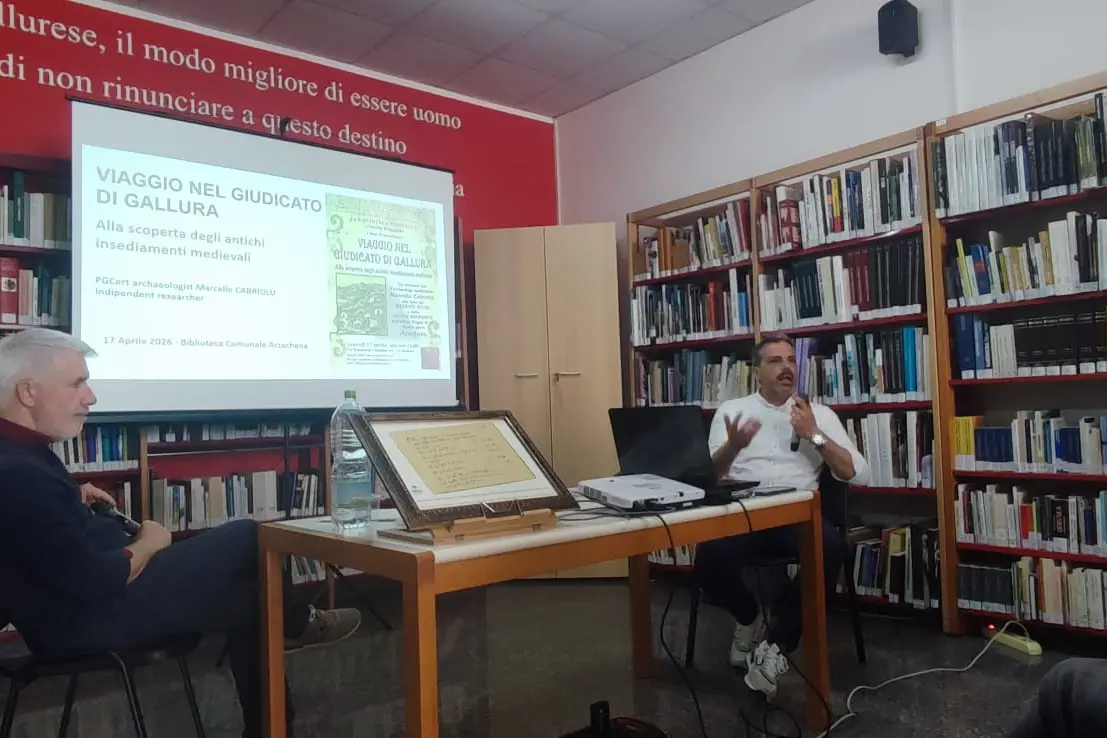
Per restare aggiornato entra nel nostro canale Whatsapp
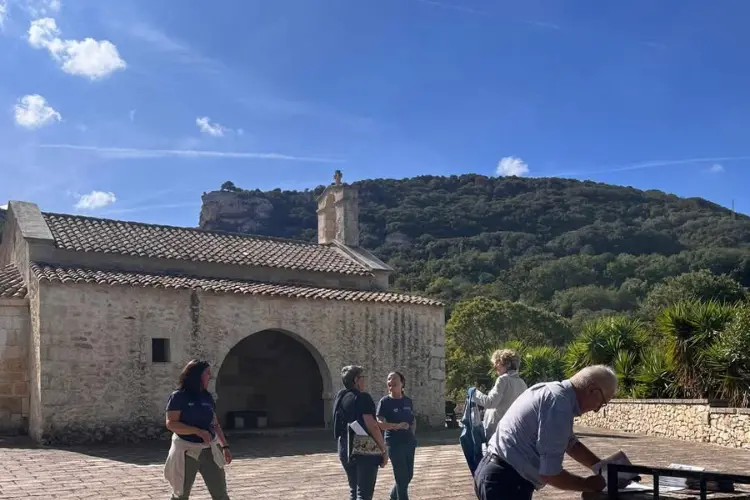
New hypotheses and archaeological evidence reveal that Gallura was a vibrant, inhabited region open to maritime trade during the Middle Ages. Archaeologist Marcello Cabriolu has brought those centuries back into the spotlight, presenting the results of his research at the Arzachena municipal library.
According to what has emerged, the territory of ancient Arzachena contained not one, but at least two small ports, with the possible presence of a third. This finding, if confirmed, would significantly alter the historical interpretation of the area: no longer an isolated and self-contained entity, but a point of contact with overseas routes and trade.
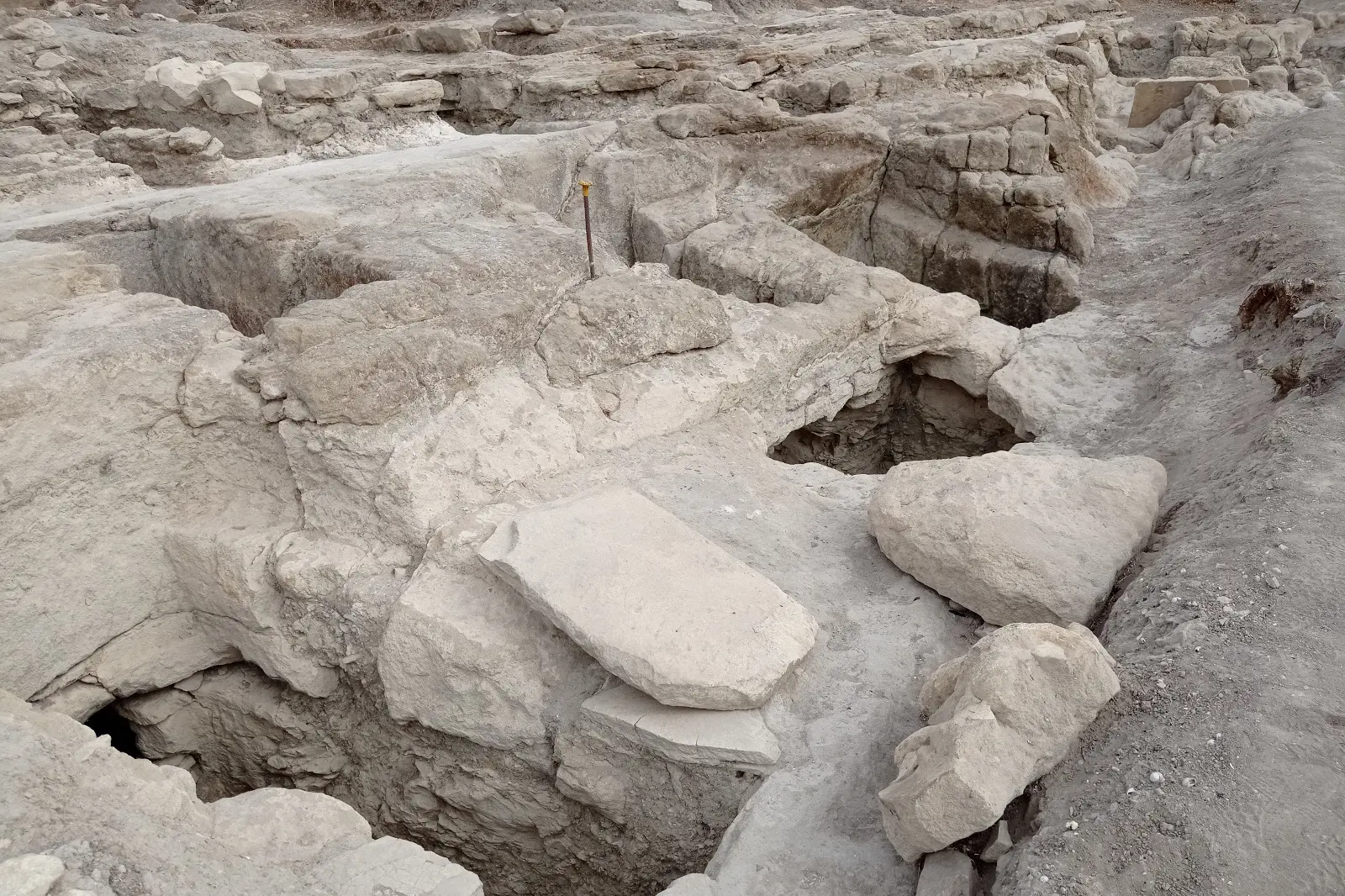
Among the most significant developments is the discovery in Capriccioli, in the heart of what is now the Costa Smeralda, of traces of a medieval pier, also documented by photographic material. The area, not coincidentally, is the same one where approximately 30,000 coins were recently discovered, a find that strengthens the hypothesis of an area frequented and traversed by trade. Historical sources also confirm the presence of maritime activity. A Pisan map from 1290, recently unveiled by Mario Sotgiu, president of the association La scatola nel tempo, features the name Porto Cervo. The possible port of Capriccioli would be added to the one already identified in Cannigione, cited in a 1324 parchment that mentions the "port de la mar d'Arseghen." A picture that, piece by piece, paints a picture of a coast that was anything but marginal. But the new developments don't end there. Near the present-day Saline, in an area once known as Porto Palmas, Cabriolu reportedly identified the remains of a settlement built on the ruins of an ancient church. This leads to new hypotheses: there may have been another landing point along the coast nearby.
Archaeologist Cabriolu's work is based on an integrated approach: digital analysis, study of historical documents and maps, observation of the landscape both from above and in the field, and interpretation of archaeological traces, often minimal but significant. This research path helps fill gaps in knowledge and restores a more dynamic and nuanced dimension to the Gallura Middle Ages than previously thought.