Emergency room chaos, investigation: "A dramatic situation across the island."
The UIL study: "Waiting times are among the highest in Italy. Staffing and bed availability must be increased."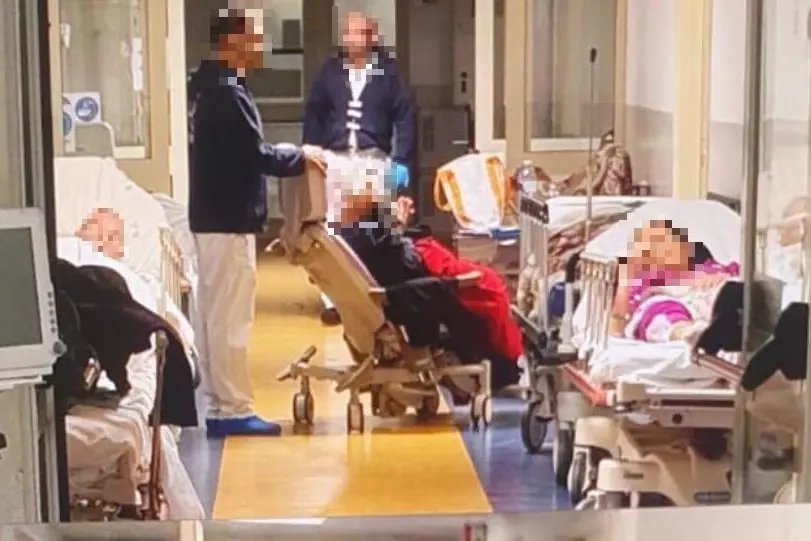
Per restare aggiornato entra nel nostro canale Whatsapp
"An average wait of almost two and a half hours in the island's emergency rooms, over 496,000 admissions in 2025, and 242 emergency room admissions per thousand inhabitants, placing the island second to last in Italy."
This is a snapshot of emergency rooms in Sardinia, compiled by a study by Uil Fp , from which "elements of reflection and concern emerge; the situation in emergency rooms is dramatic." This is what regional general secretary Mimmo Foddis , regional organizational secretary Massimo Marceddu , regional secretary Fabio Sanna , and regional doctors coordinator Giovanni Pinna claim.
The analysis shows that over half of admissions are minor , which should be handled elsewhere . Only 15% of patients who end up in hospital are admitted, and 52% are sent home.
The emergency room wait time is 205 minutes, "among the highest in Italy," reiterates Uil Fp. The union's study then focuses on the numbers, comparing admissions before the 2017 hospital network reform and today, which shows an 8% increase: from approximately 460,000 to 496,000.
The highest concentration is recorded in the two large urban areas of Sassari with approximately 205,000 and Cagliari with approximately 190,000, compared to the previous figure of 145,000 in Northern Sardinia (currently an increase of approximately 45%), 220,000 in Southern Sardinia compared to the current 190,000, equal to a decrease of 10%.
"The analysis reveals a close correlation between the reduction in bed capacity in some specialist departments in Cagliari," Uil Fp claims, "particularly orthopedics and traumatology, which has gone from 140 beds to the current 70 , and internal medicine, which has seen a significant reduction. This creates a bottleneck where admissions, particularly in these two specialties, are blocked from hospitalization. This creates congestion in the emergency room, given that these two areas alone account for a significant portion of admissions."
According to the Uil Fp unionists, "hospital staff and beds must be increased, particularly in the areas where the greatest concentration is recorded - they maintain -, because certain pathologies or events cannot be compressed and the treatment context is necessarily hospital (for example fractures or multiple traumas or serious organic decompensations) and integrated with real territorial support from specifically dedicated structures (Cdc and Odc)".
(Unioneonline/ AD)