

Climate, Tepilora in the EU program
The Sardinian area is among the territories considered most vulnerable on the continent and has been admitted to the Pathways2Resilience program
Per restare aggiornato entra nel nostro canale Whatsapp
The UNESCO MaB Biosphere Reserve of Tepilora, Rio Posada and Montalbo joins the group of 62 new European regions selected by the European Union to strengthen climate change adaptation plans.
The Sardinian region is considered among the most vulnerable areas on the continent and has been selected for the Pathways2Resilience program, a flagship project of the EU Mission on Climate Adaptation.
The Tepilora Regional Natural Park will coordinate the technical and institutional activities planned in the TPM area, in collaboration with its partner companies Basi comunicanti of La Spezia and Smart Revolution of Turin.
The local initiative, called TPMBiosphere4Climate, aims to build a climate resilience path based on scientific data, community participation, and integrated governance.
The Pathways2Resilience program, launched by Brussels in 2023, involves a total of 100 European local and regional authorities, representing over 100 million citizens, with the aim of improving the capacity of regions to address the impacts of climate change through training courses and advanced planning tools.
The 62 newly selected regions – home to approximately 55 million inhabitants, including 50,000 residents of the 17 municipalities of the UNESCO Biosphere Reserve of Sardinia alone – have identified coastal and river flooding (43%), heat stress (36%), and drought (21%) as the main climate threats, with impacts on infrastructure, public safety, and cultural heritage.
These territories join the 38 regions that joined the program in October 2024. Each entity will receive €210,000 in non-repayable funding, as well as access to personalized tools, peer-to-peer learning programs, tutoring, and specialized consultancy.
A climate resilience strategy and an action and investment plan must be developed within 18 months. The second phase of the project is worth a total of €21 million in European funding.
“I warmly congratulate all the regions selected in the second cohort of Pathways2Resilience,” said Elina Bardram, Head of Adaptation at the EU Mission at the European Commission.
“The initiative helps the Adaptation Mission achieve its goals by promoting regional climate resilience through personalized support and peer-to-peer learning.”
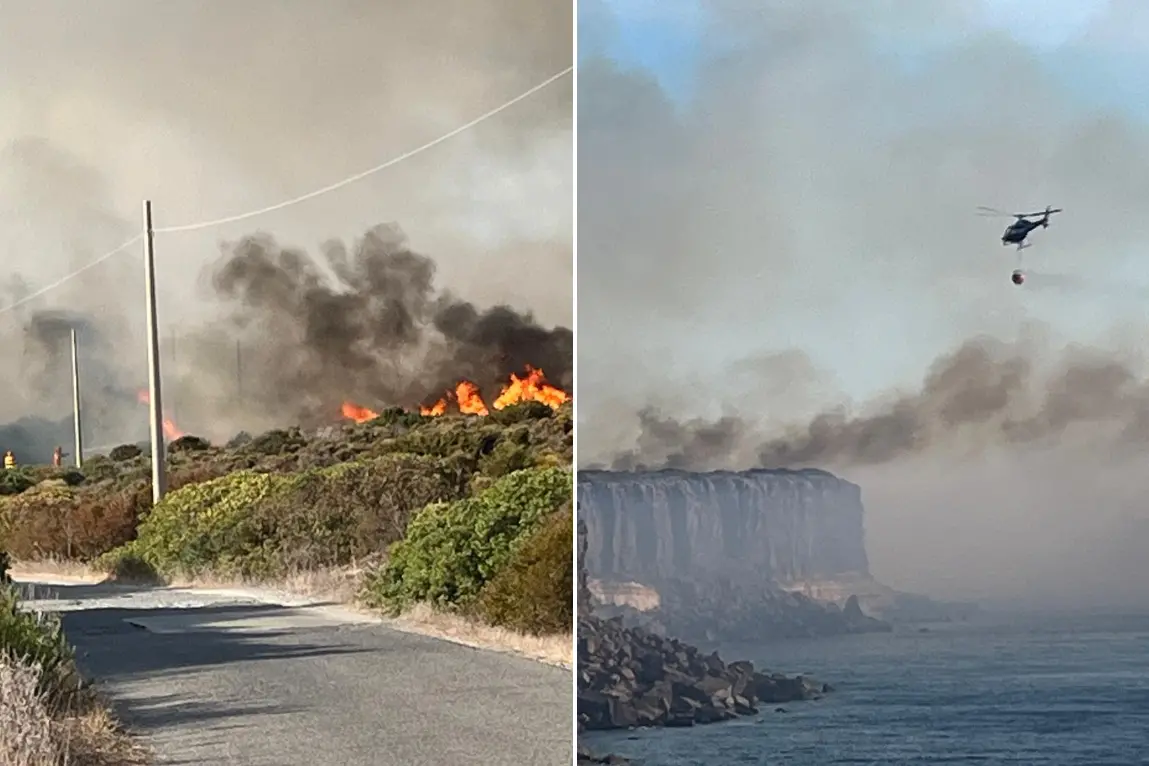
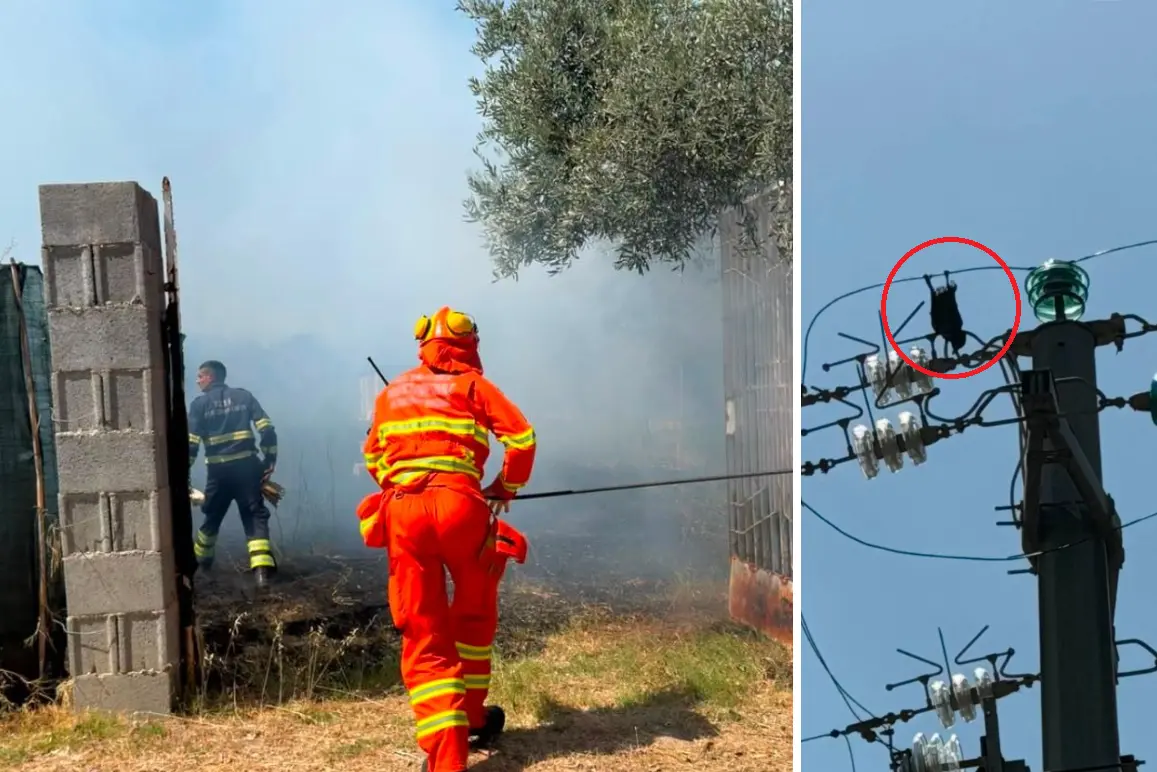
Satisfaction was also expressed by the president of Tepilora Park and coordinator of TPM, Martino Sanna: "For our Biosphere Reserve, this is an extraordinary opportunity for study and analysis, with the direct involvement of communities, in fragile territories affected by extreme climate events in recent years." He was referring to the floods of 2013 and 2020, forest fires, droughts, and prolonged heat waves exceeding 40 degrees Celsius. "The project's activities," he added, "will allow us to build adaptation models that can be replicated in other areas of the Mediterranean."
On February 11, the 100 participating regions will gather in Budapest for the Pathways2Resilience summit.
The Hungarian capital, already struggling with floods and heatwaves, is considered a best-practice example thanks to an integrated climate resilience strategy that includes green development, stormwater management, and urban heat mitigation.
"With 100 regions now on board, Pathways2Resilience is creating a powerful network of local communities committed to climate adaptation," said Thomas Koetz, senior advisor at Climate KIC and program coordinator. "This second phase brings new energy and diverse perspectives, accelerating Europe's resilience journey at a time when climate impacts are intensifying."
(Unioneonline/Fr.Me.)