

Wine and culture: Quartu and the Spanish city of Almansa twinned.
The protocol signed during a meeting in Castile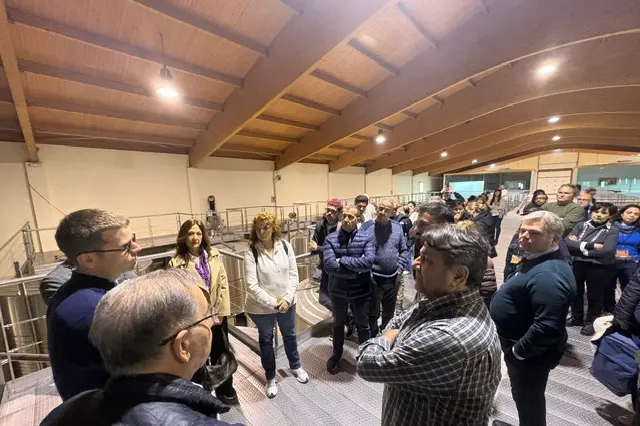
Per restare aggiornato entra nel nostro canale Whatsapp
The second meeting of the twinning agreement "Quartu and Almansa strengthen their friendship" concluded in Spain, which saw the two cities discuss the theme of wine, but also the culture, traditions and exchanges that can be initiated between the two communities.
The meeting in Castile concluded late yesterday evening—after a theatrical performance in period costume in front of the sixteenth-century castle—with the signing of the Protocol , following those already signed at the first meeting in October in Quartu. The signatures were signed by the Mayor of Almansa, María Pilar Callado García; and by the President of the City Council, Rita Murgioni, for Quartu. This was followed by the signatures of the AICCRE leaders, Focus Europe, and all the Sardinian associations and entrepreneurs who were part of the delegation, accompanied during the ceremony by the launeddas of Maestro Gianfranco Meloni, and by traditional music and dance.
It was through wine that the two cities first came into contact, a connection that has now developed. In Quartu, a land rich in tradition and passion for wine, grape cultivation dates back to the Middle Ages, then consolidated over the centuries in a region characterized by sandy and calcareous soils, ideal for grape varieties such as Cannonau, Monica, Vermentino, and Nasco. Almansa, 700 meters above sea level, is no exception. Numerous wineries have emerged, especially in the 20th century, leading to the creation of the Almansa designation of origin, where a nearly unique variety stands out: Garnacha Tintorera.
In October, the Spanish delegation will visit Italy, and these days the Quartu delegation will visit Almansa —but also the capital, Albacete, and the other municipality, Higueruela, where the winemaking tradition is strong—to strengthen their friendship and sign the twinning agreement in Spain.
The Quartu delegation in Spain, composed not only of institutional representatives but also of cultural associations and local businesses, was able to experience firsthand new realities, different processing techniques, and additional markets, thus fostering new ideas and inspiration regarding production methods and new markets to explore and consolidate.