

Cabras, the traps work: towards an end to the mosquito nightmare.
Almost exclusively specimens of the “caspius” species were caught, which develops in stagnant water and rice fields.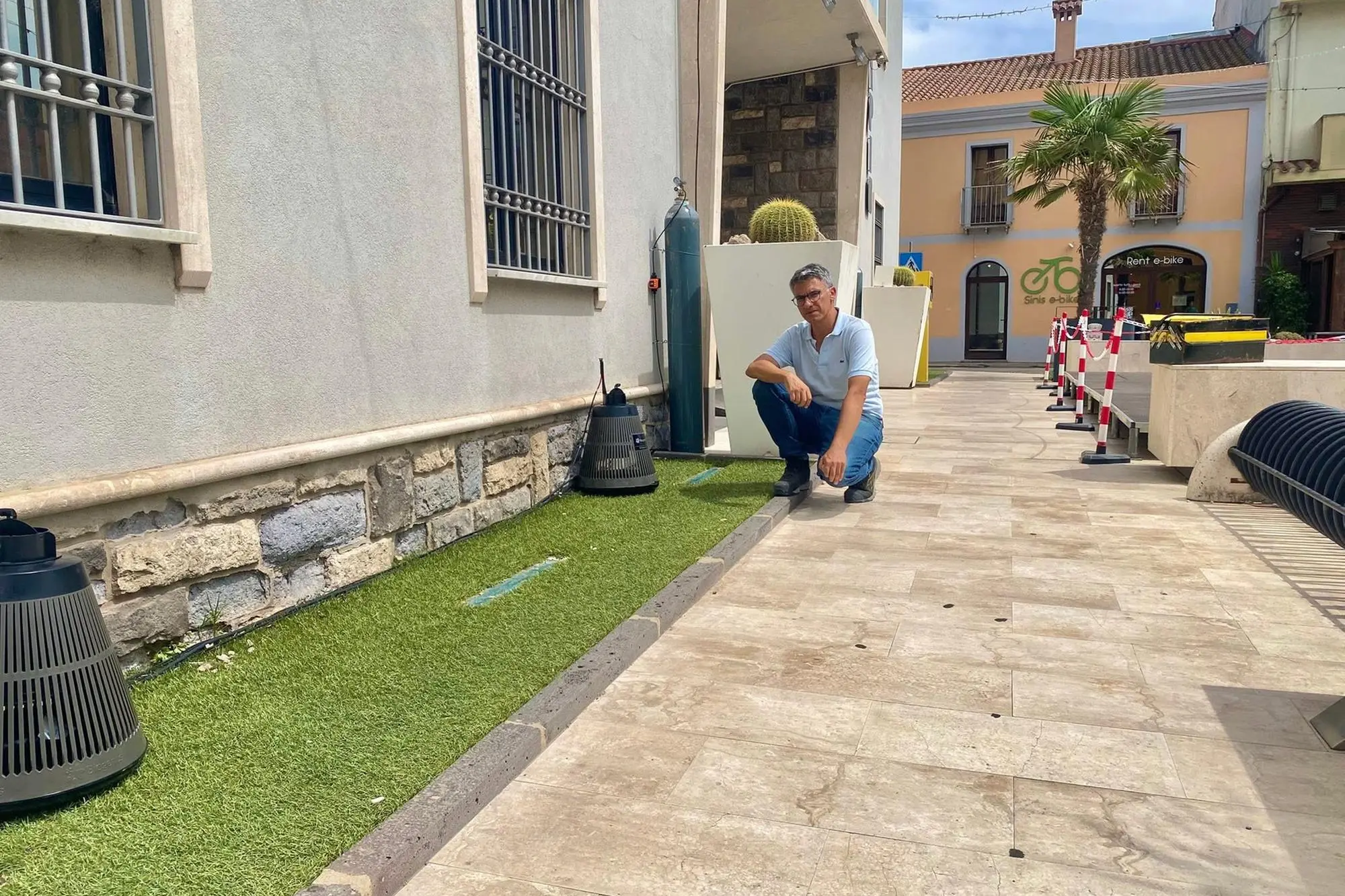
Per restare aggiornato entra nel nostro canale Whatsapp
They're now very few. Nothing like when it was impossible to be outside between 9 and 10 p.m., let alone dine outdoors. In Cabras, the mosquito nightmare is almost over . The "traps" the municipality installed about twenty days ago are working. Initial monitoring has revealed that the insects originate from the rice fields . This is an innovative experiment to combat the presence of mosquitoes in the historic center, based on the installation of special CO₂ traps that use a completely eco-friendly method.
The traps, seven in total, located in Piazza Eleonora, Piazza Principe di Piemonte, and Piazza Atzuni, are in operation every evening from 7:00 PM to 10:00 PM . The system uses carbon dioxide to attract insects and capture them without the use of chemical pesticides. They will be removed at the end of October. This intervention cost the Municipality €15,000 .
The trial is accompanied by monitoring activities that will allow us to measure the actual reduction in mosquito populations and evaluate the intervention's results. But the first results are already in: "The traps have captured hundreds of female mosquitoes, which have been removed from the historic center and, more importantly, will not be able to reproduce, with all the associated future benefits," explains Mayor Andrea Abis. "The type of mosquito captured is almost exclusively of the 'Caspius' species, the type that breeds in stagnant water, particularly in rice fields. It's important to emphasize that this mosquito does not carry West Nile virus . I believe this data is very useful and confirms the need for the Province of Oristano to implement an effective policy, with the direct participation of producers, trade associations, the Land Reclamation Consortium, and municipalities, regarding a fundamental issue like rice production, which must be addressed and not ignored or underestimated."