

Brazilian master plan for Gallura: Tavolara Bay executives: "We don't want war with the Region."
The CEO of the Sardinian-Brazilian company, Alberto Biancu, takes stock of the situation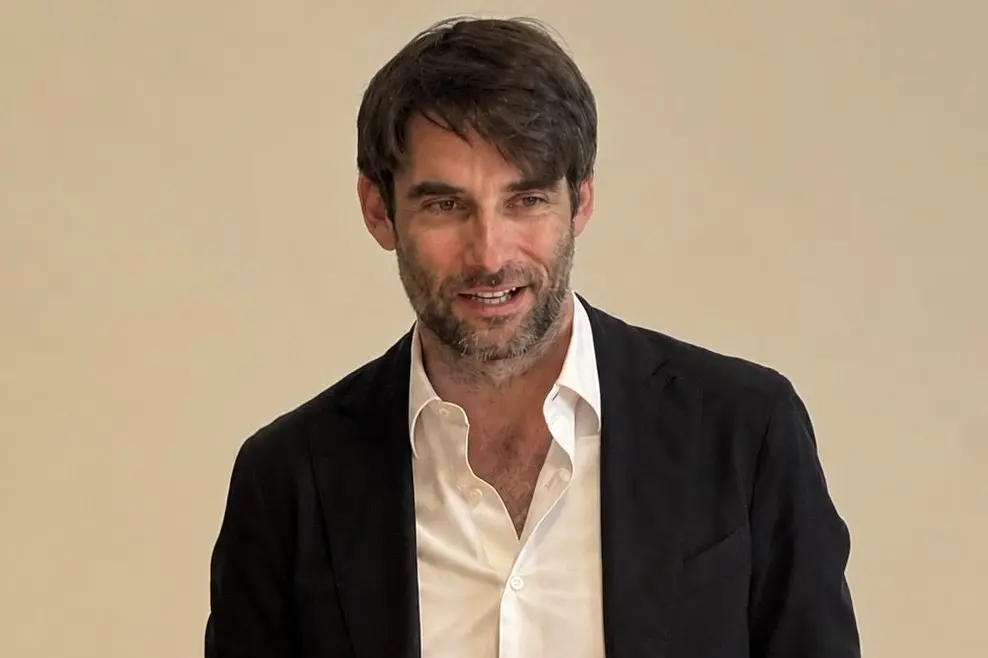
Per restare aggiornato entra nel nostro canale Whatsapp
The challenge facing real estate giant JHSF in Gallura is clear, with talk of a new luxury tourist destination in Porto San Paolo. This alternative to the Costa Smeralda, overlooking Tavolara, is a strategic objective for the Brazilians at JHSF. The multi-million euro project (villas, a five-star hotel, a golf course, and a marina) has alarmed the regional government because the Brazilians, to expedite the process, are using the special ZES procedure, a process centered on the direct relationship between the national government and the Municipality of Loiri Porto San Paolo, a unique case in Sardinia. Alberto Biancu, CEO of the Sardinian-Brazilian company Tavolara Bay, provides an update on the situation, including the tensions with the regional government.
Alberto Biancu, how did the meeting between Brazilians and Sardinians come about?
The connection was born through mutual relationships. JHSF was invited to visit the area and immediately recognized the unique characteristics of Porto San Paolo and Gallura, not only in terms of tourism, but also in terms of their identity, landscape, and strategic location. Before starting the collaboration, I traveled to Brazil and Uruguay to visit some of their projects. I was able to see firsthand the quality of their investments, their working methods, their attention to the context, and the economic impact they generate in the communities where they operate. In Punta del Este, a destination similar in some ways to ours, they have managed to create a model capable of keeping services and activities open year-round, with concrete benefits for the local community in terms of services, infrastructure, and opportunities.
Let's set some boundaries right away, so we can explain what's happening in Porto San Paolo. Are there two initiatives?
The project—the creation of a new tourist destination—is being developed in multiple phases and involves different areas and procedures, which often overlap in public debate. The procedure actually initiated today concerns Punta La Greca and the transformation of the existing villa and its surrounding areas for tourism and recreation purposes, without increasing the existing building volume, as it is located within 300 meters of the sea. This request was approved by the ZES (Special Economic Zone) and is currently under consideration by the Council of Ministers. The key point is that the area will be transformed from an exclusively private use to a tourism and recreation destination. The next phase—which concerns the possible development of the hotel, villas, and related services in another area of Porto San Paolo—is still in the preliminary phase of discussion with the Region, the Municipality of Loiri Porto San Paolo, and the relevant authorities. To date, no formal project has been submitted for villas or accommodation facilities. This has created a great deal of confusion, which the municipal administration has already helped to clarify.
Why did you choose the Zes procedure?
"In a complex project like this, the main advantage of the ZES is the ability to consolidate technical and administrative discussions within a single service conference, ensuring greater clarity in timing and discussions. Of course, there are also investment incentives, but the key remains the ability to address the project in a coordinated manner."
The conflict with the Sardinian region is evident. Are you aware of this?
We're talking about a project that involves significant urban planning, landscape, and institutional issues, and it's normal for there to be differing opinions and positions. Dialogue with the Sardinia Region is open and ongoing. We believe that discussion between institutions and stakeholders is a natural part of a process of this magnitude. Our goal is not to force the process, but to build a shared path. Our task is to ensure that any initiative develops in full compliance with regulations, the landscape and environmental context, and the prerogatives of the entities involved. We understand the sensitivity that exists in Sardinia on these issues and believe it is essential to maintain an open and ongoing dialogue with the Region and the local community. Our interest is not to impose a path from above.
There are many expectations for an investment like this, but also many concerns. What environmental and landscape guarantees are there?
As a Sardinian and a citizen of Porto San Paolo, I'm well aware of the sensitivity surrounding these issues. The project has been designed around a low-density model: only about 3 percent of the area will be developed, while the remainder will be dedicated to open spaces and greenery. The planned volume is the same as that already contemplated in the Municipal Urban Plan of Loiri Porto San Paolo, and our goal is to work within the right balance between landscape protection, economic sustainability, and territorial development. We believe that today the real challenge is not choosing between protection and development, but building projects capable of combining both over the long term.