

A massive wave of online scams and identity thefts has hit the Cagliari area: seniors are targeted, and reports are being filed.
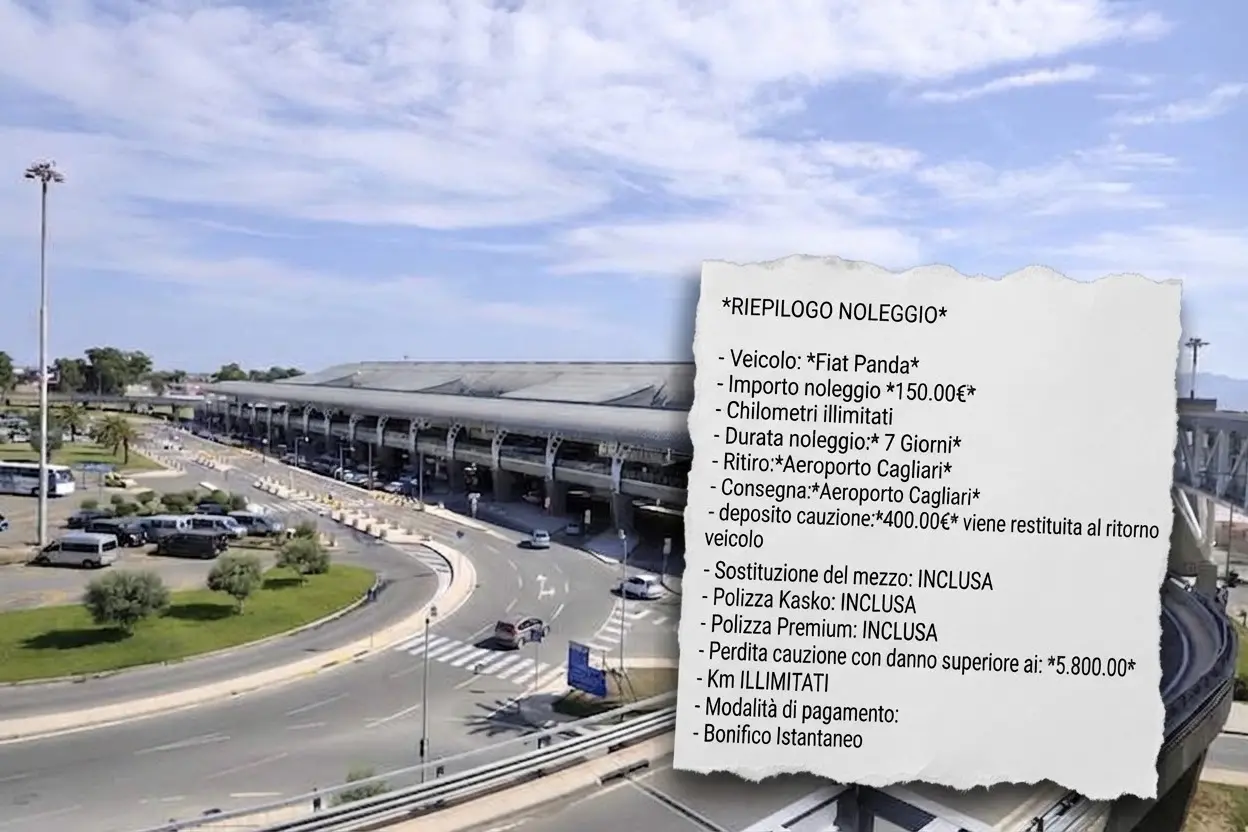
These are increasingly sophisticated scams, involving (non-existent) cars bought online and requests for money from fake relatives in difficulty.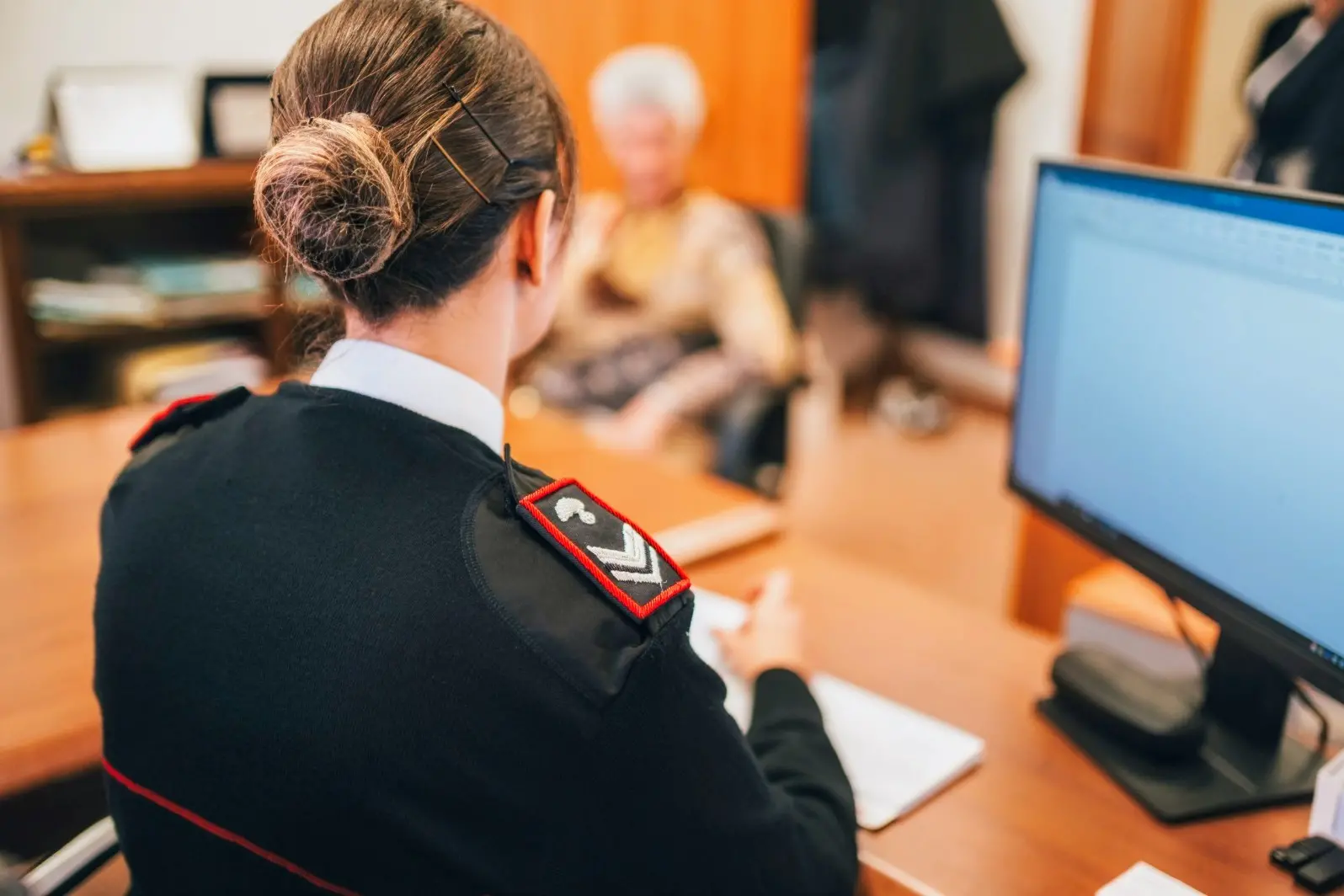
Per restare aggiornato entra nel nostro canale Whatsapp
Online scams, phone scams, and identity theft: in recent weeks, the Carabinieri of the Cagliari Provincial Command have intensified their investigative activity throughout the region, uncovering a growing and increasingly sophisticated phenomenon. Several individuals have been held responsible for illicit activities that have netted tens of thousands of euros.
The techniques used by scammers are becoming increasingly sophisticated: they exploit the emotional urgency of victims and the apparent credibility of interlocutors who present themselves as representatives of trustworthy institutions or operators, often through portals or purpose-built contacts. Those targeted by scammers are often elderly people. Among the most insidious scams identified by the military is that of false institutional identities. In the Sarrabus area, for example, a pensioner reported being contacted by a self-styled Carabinieri marshal: under the pretext of urgent cooperation with the law to stop a fraud, the man was allegedly pressured into making two instant transfers worth tens of thousands of euros to an unknown account. Once the money was obtained, the scammer disappeared. The so-called "false relative in need" scam is also widespread. In two separate incidents in Sant'Antioco and Guspini, two pensioners were persuaded to top up their prepaid cards by individuals who, using popular messaging apps, impersonated their children, claiming they urgently needed a new phone. Also in Sant'Antioco, a 19-year-old from the province of Naples, already known to law enforcement, allegedly posed as a bank employee, persuading a pensioner to make transfers of nearly €1,300 under the false pretext of stopping an ongoing fraudulent transaction.
The military is also targeting illicit activities related to private sales on digital platforms. In Gonnosfanadiga , the Carabinieri reported a 21-year-old resident in the Milan area who allegedly received €13,500 from a pensioner for the sale of a car advertised online but never delivered. Similar patterns were observed in Furtei and Samatzai , where two people allegedly obtained large sums of money for the phantom sale of agricultural machinery or vehicles, in one case even providing a fake registration document to reassure the buyer. There is also no shortage of scams linked to fake e-commerce sites , as occurred in Dolianova , where an employee paid almost €500 to purchase pallets of pellets that were never delivered , or telephone insurance scams recorded in Monserrato for the purchase of fake third-party liability insurance policies . Even small transactions are not without risks: in Villasor, a couple was reported for having been credited with the payment for the fake repair of an appliance , which was never returned, while in Villanovafranca , a woman, already known to the police, allegedly faked a road accident by tricking the victim into giving her 80 euros in cash as a fake compensation for damages.
Among the scams foiled by the Carabinieri officers, digital identity theft is not lacking. In Dolianova , two young men with no criminal record allegedly offered several victims fake cash rewards in exchange for online reviews , but also requested photos of their faces and identity documents. This sensitive data was then passed on to third parties via social media to open illicit bank accounts intended to launder the proceeds of other scams . Another variant emerged in San Nicolò Gerrei involving the deceptive promise of easy earnings in exchange for sharing videos, but tied to the advance payment of hundreds of euros in fake commissions.
(Unioneonline/vf)