

Ticks, the risk increases with the heat: how to protect yourself and your pets
From walks in parks to hikes, contact with parasites is increasing. Expert advice for preventing infections and safely removing them.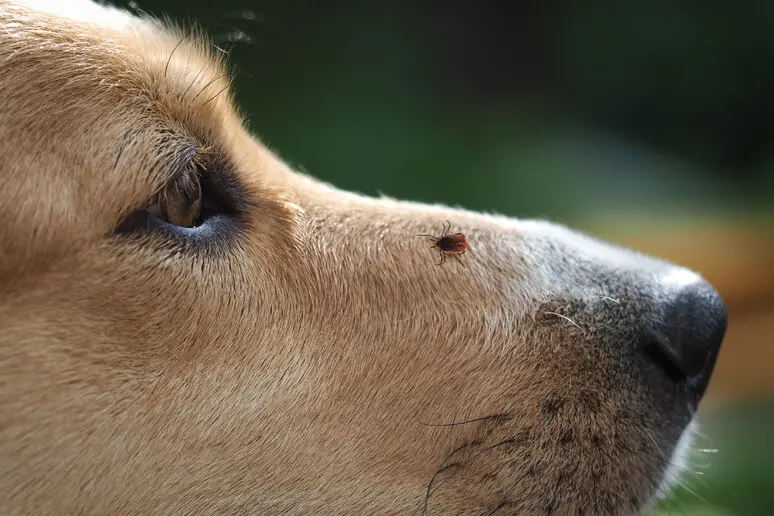
Per restare aggiornato entra nel nostro canale Whatsapp
With the arrival of warm weather , one of the most common nightmares for pet owners returns: ticks . In spring and summer, dogs, cats, and other pets become more exposed to these parasites while walking, hiking, or simply in urban parks. For this reason, many owners intensify their checks and anti-parasitic treatments , seeking to protect not only their pets but also their home environment. Ticks can attach themselves to pets' fur and easily enter the home, posing a potential danger to humans as well.
But what are the real risks associated with ticks, and what should you do if you get bitten ? The Italian National Institute of Health (ISS) sheds light on the situation, urging people not to underestimate the problem, especially during the warmer months. Contrary to popular belief, ticks don't jump or fly : they remain in tall grass, bushes, and vegetation, waiting for an animal or person to pass by to latch onto. Attracted by body heat and the carbon dioxide released through respiration , once attached to the skin, they can remain attached for several days without causing pain, thanks to anesthetic substances in their saliva.
The real risk is linked to the diseases they can transmit . In Italy, the most well-known are Lyme disease and tick-borne encephalitis (TBE), but there are also other bacterial and viral infections such as rickettsiosis, ehrlichiosis, and tularemia . To reduce the risk of contact , experts recommend a few simple precautions: when walking and hiking, it's best to wear long pants and light-colored clothing, avoid tall grass, and carefully check skin, clothing, and pets upon returning home. It's also essential to protect dogs and cats with specific antiparasitics, especially in spring and summer.
If you find a tick on your skin, it's important to remove it as soon as possible, but don't improvise. Avoid using alcohol, oil, cigarettes, or other "do-it-yourself" remedies , which can increase the risk of infection. Correct removal should be done with fine-tipped tweezers, grasping the parasite near the skin and gently pulling . After disinfecting the area, monitor for any symptoms over the following days: fever, headache, joint pain, or a reddish halo that spreads around the bite are signs that shouldn't be ignored and should prompt you to contact your doctor.
(Unioneonline/vf)