

Thirty years ago, the Fenice fire. The fire chief: "Cacciari told me 'save it,' and I replied: 'Let's save the city.'"
The shocking story of former commander Alfio Pini: "There was a risk that the fire would spread through the roofs to the entire lagoon."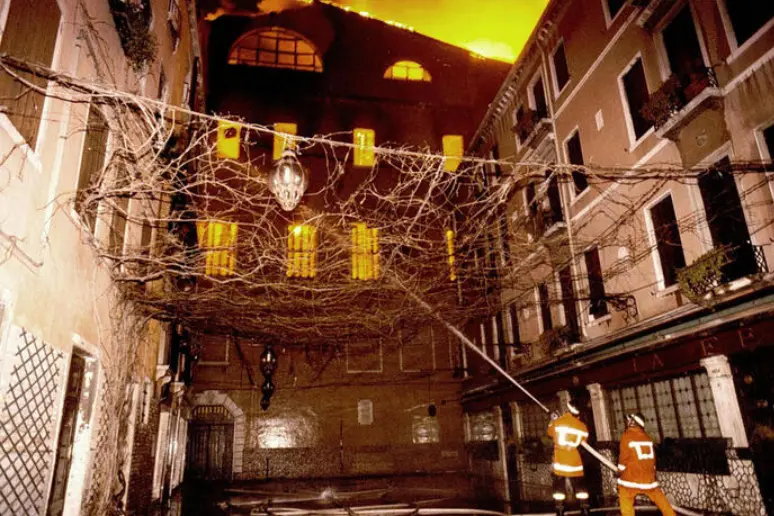
Per restare aggiornato entra nel nostro canale Whatsapp
"There were so many people, Mayor Massimo Cacciari was there and he told me 'Save the Fenice for me,' but there was nothing more that could be done." This is the memory of Alfio Pini, who, as provincial firefighter commander, found himself facing the fire at the La Fenice Theater in Venice on January 29, 1996. "I told him 'Let's try to save the city,'" Pini told ANSA today, " because there was a real risk that the fire could spread through the roofs to part of the city. It went well. That problem was solved."
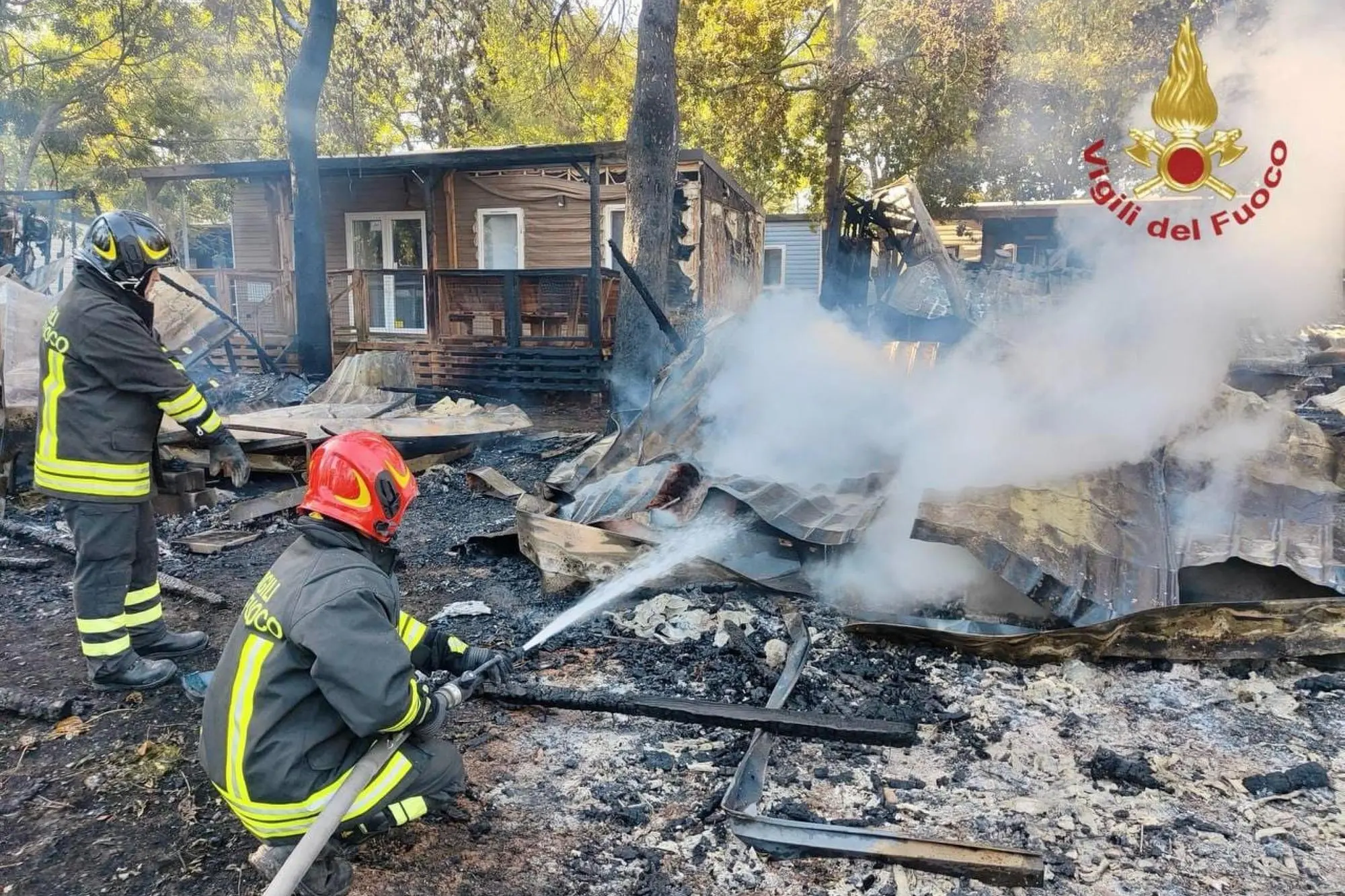
That evening, after the alarm was raised by two police officers, the teams went to San Fantin "and we actually saw smoke coming out of the theater windows, on the right side. We struggled to open the door to get in, and I slipped onto the stairs leading to the Apollonian Halls, and I saw inferno: violent flames , a sign that they were already being fed by something suspicious. Together with the others, we carried out some gas cylinders that were inside the construction site, and then we tried to contain the fire inside the theater. We managed to do so, despite the Bora wind that was blowing that night, carrying burning embers onto the roofs. So all the men were on the roofs around here, trying to prevent the flames from entering through the windows, which in some places are as close as a meter and a half from the theater. Do you think we found embers on the Giudecca?"
Then came the arrival of the helicopter from Mestre, after the roof collapsed: "It drew water from the San Marco basin and then poured it into the crater; it made about a hundred passes at night, in the dark, over the city, with its bell towers. It was a wonderful job that helped keep the fire inside the crater," Pini emphasizes, "because it counteracted the rising currents that carried the embers upward, which were then distributed by the blowing wind."
For the current provincial commander of the Corps, Angelo Majolo, "the lessons learned from the disaster led to discussion and reflection on the measures that needed to be implemented to improve the city's safety, especially to ensure the firefighters' water supply. This was achieved by building a fire-fighting water network, approximately 58 kilometers long, with over 800 supply points to ensure clean water is available to put out fires, whereas previously it was drawn from the canals and was brackish. Then methods were introduced to make buildings more fire-safe," he concludes.
(Unioneonline)