

Libera dies after assisted suicide with eye control: "No one should wait two years for their rights."
He is the 14th person in Italy to have had access to it: the first with that type of device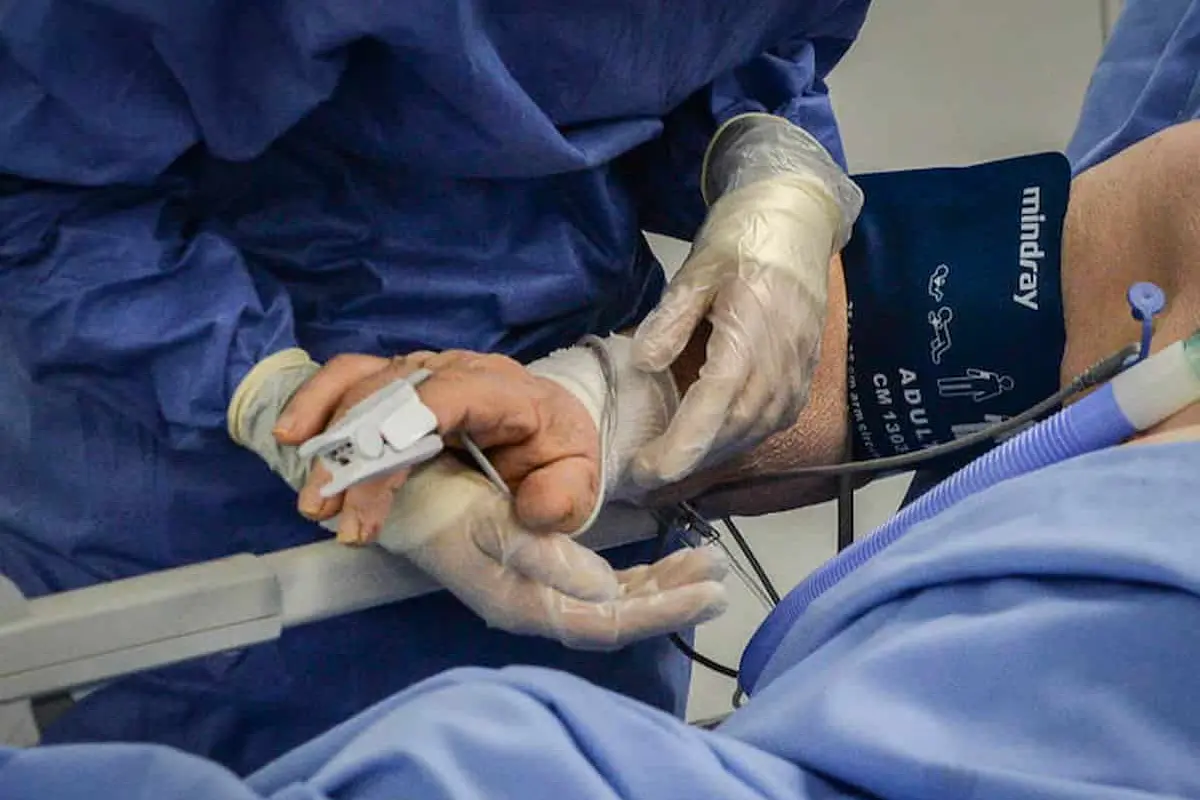
(Archive symbol photo)
Per restare aggiornato entra nel nostro canale Whatsapp
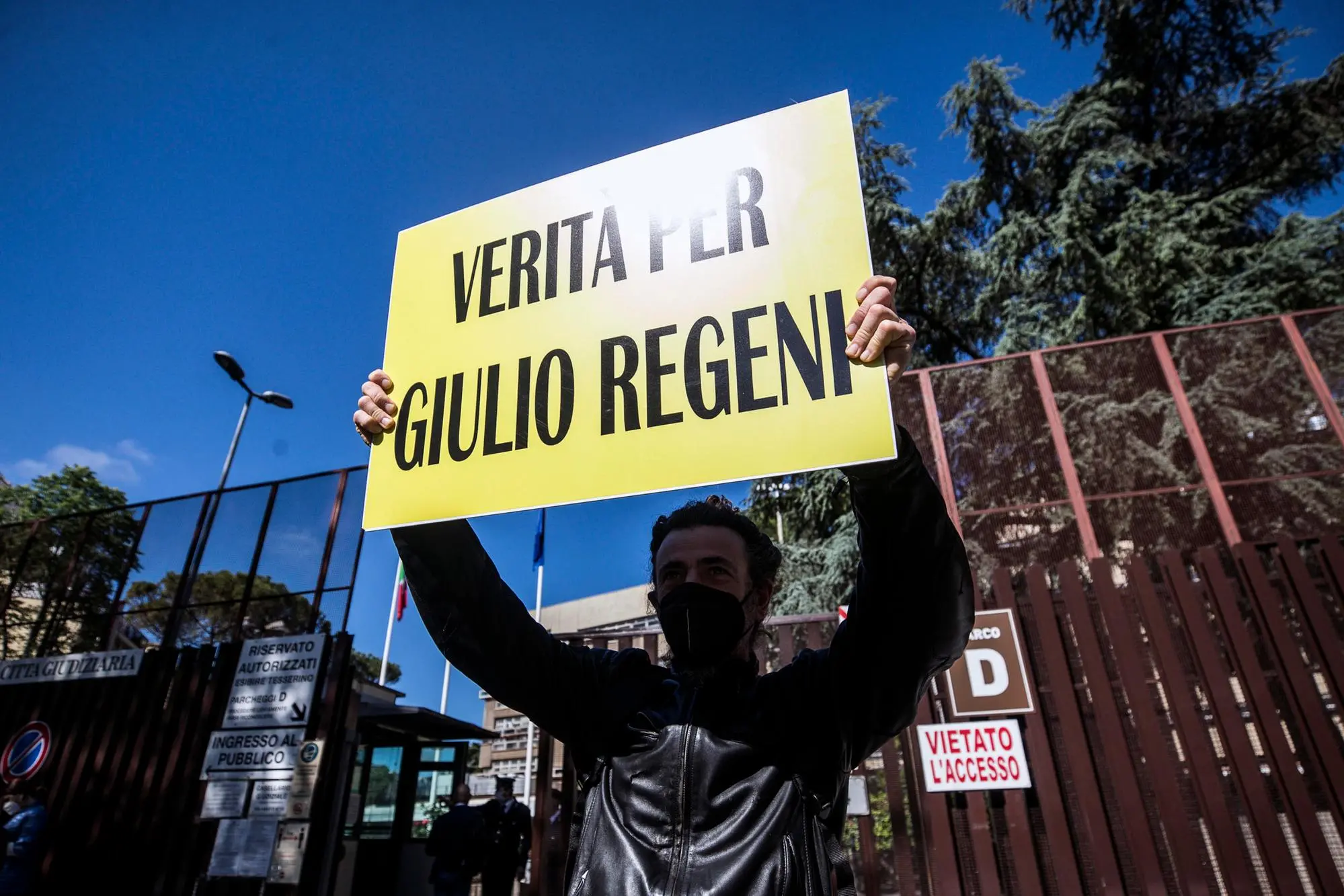
A week ago, she received the eye-activated device she had long awaited, ordered by the Florence court after her case was brought before the Constitutional Court. Yesterday, Libera, a 55-year-old Tuscan woman whose real name was Libera, died at her home through assisted suicide using that device. For two years, she had been fighting to "exercise a right that" already belonged to her. These were the last words she entrusted to the Luca Coscioni Association, which had always been at her side: to end the suffering caused by the progressive multiple sclerosis that struck her in 2007, paralyzing her from the neck down. In July 2024, the North-West Tuscany Local Health Authority admitted her to the end-of-life procedure, but her condition prevented her from self-administering the lethal drug. Thanks to the device created for her by the National Research Council (CNR), she "obtained assisted suicide": she is the 14th person in Italy to have had access to it, the first with an eye-activated device.
The story of Libera's battle became public two years ago. The Coscioni Association revealed it: in March 2024, she asked the Local Health Authority (ASL) for access to end-of-life care. The initial response was negative because she refused artificial nutrition with a PEG. "They demand that I undergo invasive medical treatment only to then be able to interrupt it and resort to assisted suicide. This is cruel and humiliating," she said at the time. The ASL's opinion then changed to positive following the Constitutional Court's ruling, also in July 2024, which extended the concept of "life-sustaining treatment" to one of the four requirements for access to end-of-life care. However, Libera began a new battle: assisted by a legal team coordinated by Filomena Gallo, secretary of the Coscioni Association, she appealed to the court to authorize her doctor to assist her in dying, as she was unable to do so alone.
The constitutional question of euthanasia was raised, and the Constitutional Court declared it inadmissible on July 25th. The court, it stated, "did not adequately or conclusively justify the availability of a self-administered drug device that could be operated by a patient who has lost the use of their limbs." The matter then returned to the ordinary judge, who, after input from the Constitutional Court, asked the Ministry of Health, the ISS, and the National Health Council whether they had a device available for Libera. The decision ultimately led to the National Research Council (CNR), which developed an eye-tracking system interfaced with an infusion pump, thanks to which the woman was able to independently activate the intravenous infusion of the drug.
"No one should be forced to fight so long for what should be guaranteed," was Libera's message released after his death. "My battle was tough, but I want to believe it wasn't in vain. If it serves to open even a single path, to shorten even a single wait, then it will have been worthwhile."
"This isn't just my story. It's a plea for dignity, which I hope one day will no longer have to be conquered, but simply respected," Libera continued, "profoundly" thanking the Coscioni Association, "which gave me a voice and the tools to see this right recognized," and "with sincere gratitude, my doctor, Paolo Malacarne." "Our thanks go to Libera for fighting not only for herself but for all people in her situation, helping to pave a path that others can follow," said Filomena Gallo and Marco Cappato, treasurer of the Coscioni Association, which also promoted the regional bill Liberi subito, which the City of Genoa announced its support today.
(Unioneonline)