

Talks fail, Trump: "Naval blockade of Hormuz." Tehran: "Ridiculous."
The tycoon: "No one who pays an illegal toll will have free passage at sea." But Iran is deploying special forces.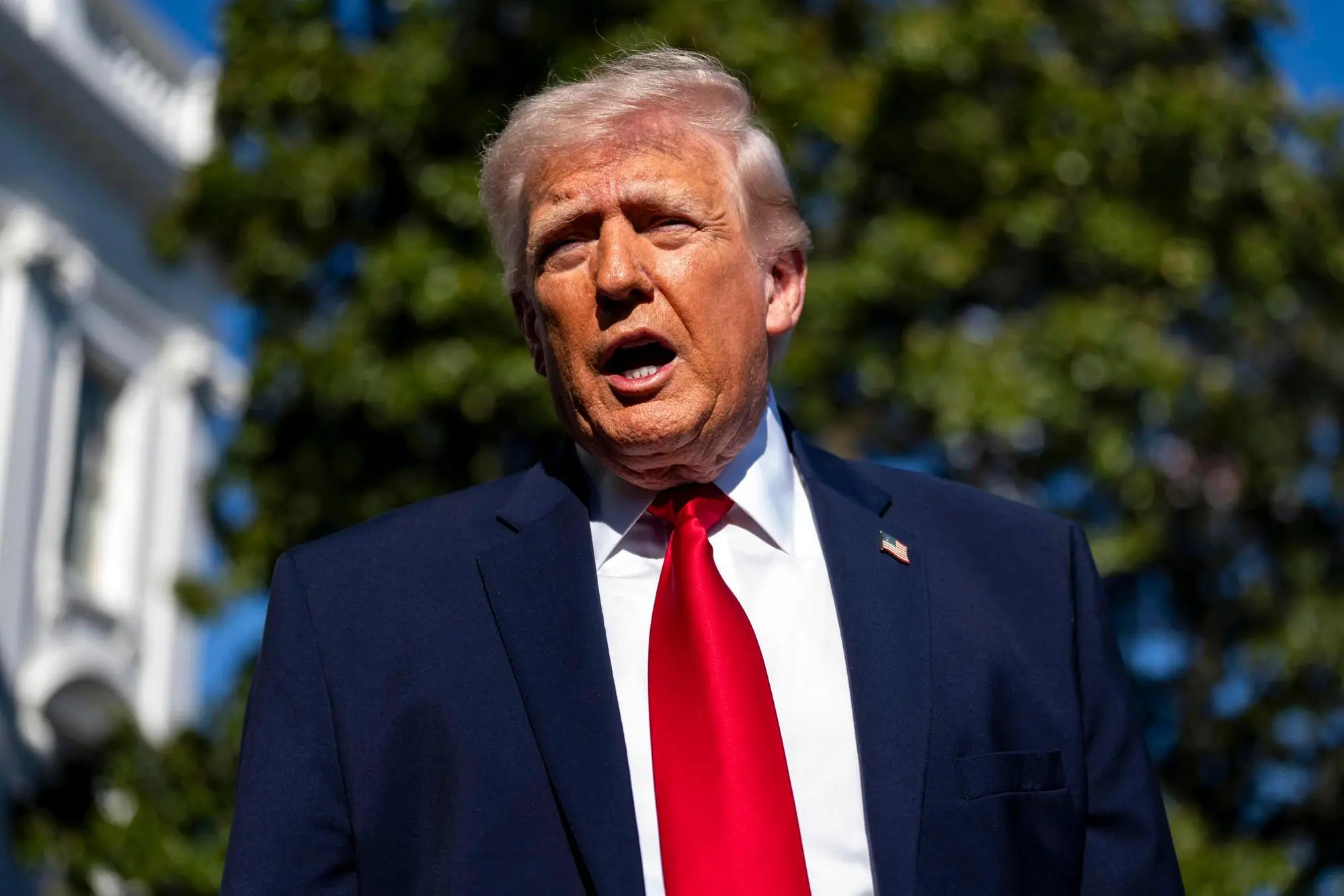
Per restare aggiornato entra nel nostro canale Whatsapp
The first negotiations between Iran and the United States, which began yesterday in Islamabad, Pakistan, in an attempt to reach a Middle East peace agreement, failed .
Tehran officials say that "no one expected" the US and Iran to reach an agreement in the first round of negotiations. "It was clear from the beginning that we shouldn't have expected to reach an agreement in a single session. No one expected this," Esmaeil Baqaei, Iranian diplomatic spokesman, told state television. The Foreign Ministry spokesman said he was "certain that our contacts with Pakistan, as with our other friends in the region, will continue."
"We were quite flexible, but we failed to make progress." This was the position expressed by US Vice President J.D. Vance at the end of the talks, according to Al Jazeera. "We failed to reach a situation where the Iranians were willing to accept our conditions. I think we were quite flexible, we were quite accommodating," he said.
Pakistan's Foreign Minister reiterated that despite the lack of agreement, Washington and Tehran must honor the ceasefire agreement. "It is imperative that the parties continue to uphold their commitment to the ceasefire," said Ishaq Dar, whose government hosted the talks and acted as mediator. "Pakistan has played and will continue to play its role in facilitating engagement and dialogue between the Islamic Republic of Iran and the United States of America in the days to come."
Sunday, April 12th news:
Iranian Navy Chief: "Trump's Threats to Blockade Hormuz Are Ridiculous"
The head of the Iranian Navy has called US President Donald Trump's claims to impose a blockade on the Strait of Hormuz "ridiculous," following the failure of negotiations between the two sides. "The brave men of the naval force (...) are monitoring and controlling all US movements" in the region, Shahram Irani said, quoted by Iranian state television. "The US president's threats to impose a maritime blockade against Iran (...) are completely ridiculous and amusing."
Ghalibaf: "We will not bow to any threat."
The speaker of the Iranian parliament, who is leading negotiations with the US in Pakistan, declared that Tehran will not give in to threats after Donald Trump ordered a naval blockade of the strategic Strait of Hormuz. "If they fight, we will fight, and if they come forward with logic, we will respond with logic. We will not bow to any threat; let them test our resolve once again so we can teach them a greater lesson," Mohammad Bagher Ghalibaf told reporters after returning to Tehran from Islamabad, according to several Iranian news agencies.
Britain will not be involved in the blockade of the Strait of Hormuz
The United Kingdom will not be involved in a potential blockade of Hormuz, Sky News UK reported, citing a government spokesperson. "We continue to support freedom of navigation and the opening of the Strait of Hormuz, which is urgently needed to support the global economy and the cost of living at home. The Strait of Hormuz must not be subject to tolls," the spokesperson said. "We are working urgently with France and other partners to form a broad coalition to protect freedom of navigation." Trump had stated that London would send minesweepers to assist in clearing the Strait.
IDF tanks ram Italian UNIFIL vehicles; no injuries reported.
On two occasions today, Israel Defense Forces soldiers rammed Italian UNIFIL vehicles with a Merkava tank, once causing significant damage. The soldiers had blocked a road in Bayada used to access UNIFIL positions. There were no injuries.
Pakistani Prime Minister: "Negotiations are not dead, there's a stalemate."
"The talks have not failed. We are at a stalemate." This was stated by Pakistani Prime Minister Shehbaz Sharif, who hosted yesterday's negotiations in Islamabad, speaking on CBS's "Face the Nation." The New York Times reported it in its live blog on the Iran crisis.
Trump warns China: "50% tariffs if it sends weapons to Iran."
Donald Trump warned China that he would impose 50% tariffs if it shipped weapons to Iran. This was the tycoon's second warning to Beijing in two days.
Iran deploys Navy special forces to southern coast
Iranian state media said the country has deployed Navy special forces along its southern coast, signaling preparations for a potential land invasion by U.S. forces following the collapse of peace talks in Pakistan. The Wall Street Journal reported that Iran's state-run news agency, Student News Network, published images of soldiers in camouflage gear deployed near a sandy shore to "counter any possible enemy infiltration into the country's territory."
Washington has ordered the deployment of thousands of Marines and paratroopers to the Middle East, with further deployments planned after the two-week ceasefire with Iran begins. Although President Trump has not stated his intention to send ground troops, these deployments would give the United States greater options for ground assaults or incursions and have sparked preparations in Iran, which in recent weeks has strengthened its air defenses, planted mines, and established bunkers on islands along its coast.
Trump: "Other countries will be involved in the naval blockade of the Strait of Hormuz."
"Other countries will be involved in the naval blockade of the Strait of Hormuz," Donald Trump wrote in Truth, without specifying which countries. "At some point," he continued, "we will reach a state where everyone is allowed in and everyone is allowed out. However, Iran has prevented that from happening." "This is global extortion, and the leaders of nations—particularly those of the United States—will never allow themselves to be extorted," the president said, referring to Tehran's threat to plant mines in the Strait.
Trump: "We'll start detonating mines in the Strait of Hormuz."
"We will begin destroying the mines the Iranians have planted in the Straits. Any Iranian who fires at us or at peaceful vessels will be blown up," Donald Trump wrote in Truth.
Trump announces immediate US naval blockade of the Strait of Hormuz.
Donald Trump announced on Truth that he was blocking all vessels to and from the Strait of Hormuz "effective immediately" after the collapse of negotiations in Pakistan. "I have ordered our Navy to identify and intercept any vessel in international waters that has paid a toll to Iran. No one who pays an illegal toll will have free passage at sea," he announced.
The entire US negotiating team has left Islamabad
No member of the US negotiating delegation remained in Pakistan following the conclusion of US-Iran talks, a US official accompanying Vice President J.D. Vance told reporters today. CNN reports that the fact that no member of the delegation, including Special Envoy Steve Witkoff, Jared Kushner, and the technical teams, remained in the Pakistani capital underscores the fact that there will be no immediate resumption of direct negotiations, not even at the technical level.
Ghalibaf: "The US hasn't earned our trust."
"The other side has failed to gain the trust of the Iranian delegation in this round of negotiations," Mohammad Bagher Ghalibaf, Speaker of the Iranian Parliament and head of the negotiating delegation with the United States, said in X.
Billboards about peace talks are being removed in Islamabad
Billboards reading "Islamabad Peace Talks" are being removed in the Pakistani capital, the BBC and the New York Times report.
Trump and the possibility of a naval blockade to harm Iran
US President Donald Trump reposted an article on his social media account, Truth, suggesting that the US could implement a naval blockade in the Persian Gulf to harm Iran's economic interests if a Washington-Tehran deal fails. The post, published by the online media Just the News, is titled: "The President's Winning Card If Iran Doesn't Give in: A Naval Blockade." Trump reposted it on his Truth account at 6:16 this morning, virtually coinciding with the news from Islamabad, announced directly by his vice president, J.D. Vance, that ongoing negotiations with Iran had failed. The article suggests that the naval blockade strategy, already adopted in the case of Venezuela, could "stifle an already unstable Iranian economy and increase diplomatic pressure on China and India, cutting them off from one of their main sources of oil." The piece quotes "some experts who say Trump could simply 'override' Iranian control of the Strait of Hormuz with an even more effective blockade."
(Unioneonline)