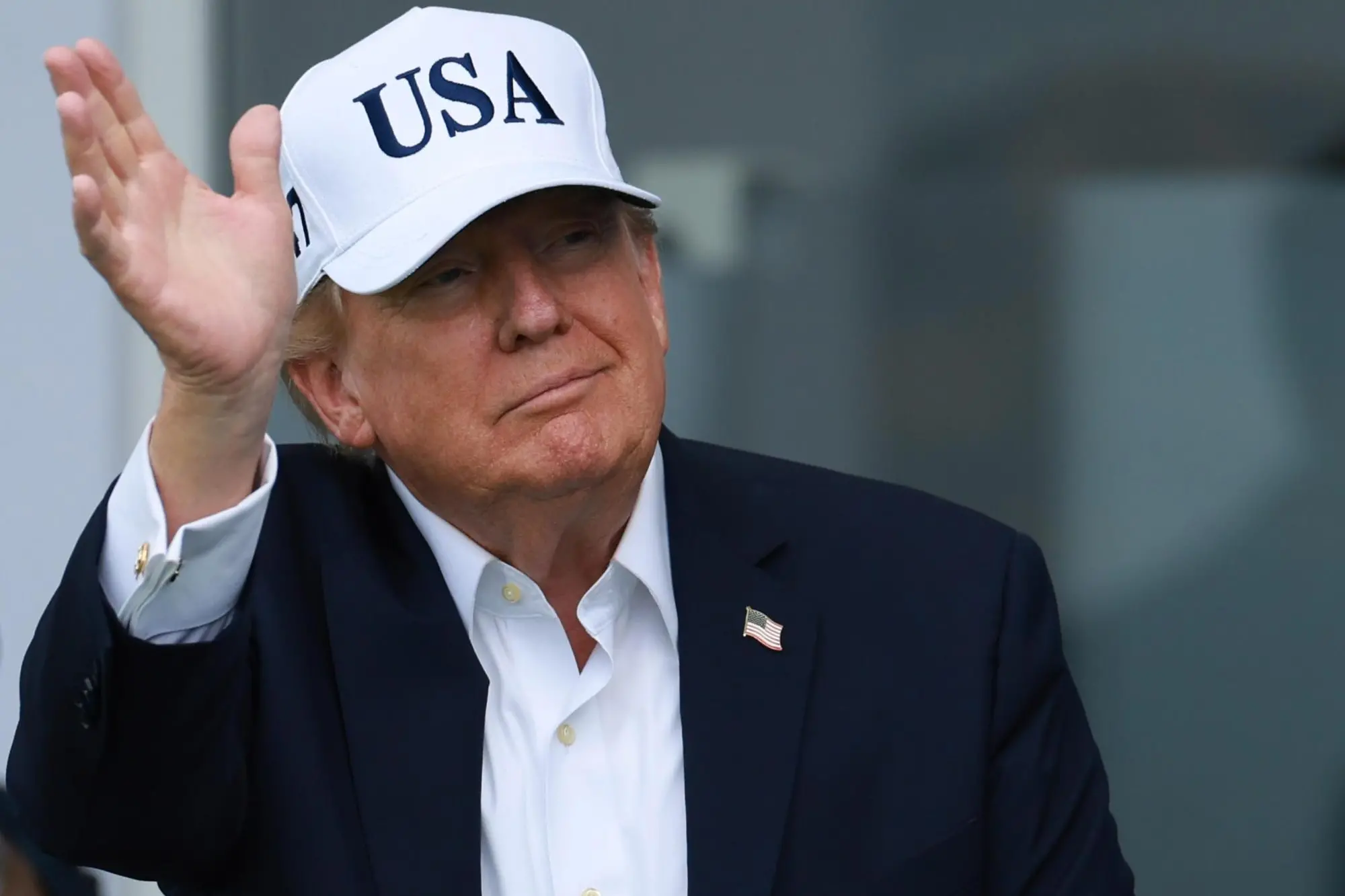


Trump's approval ratings plummet in the polls two weeks before the election, hitting an all-time low.
Washington Post-ABC News-Ipsos survey: "The president has never been weaker." Vance's doubts about his future White House candidacy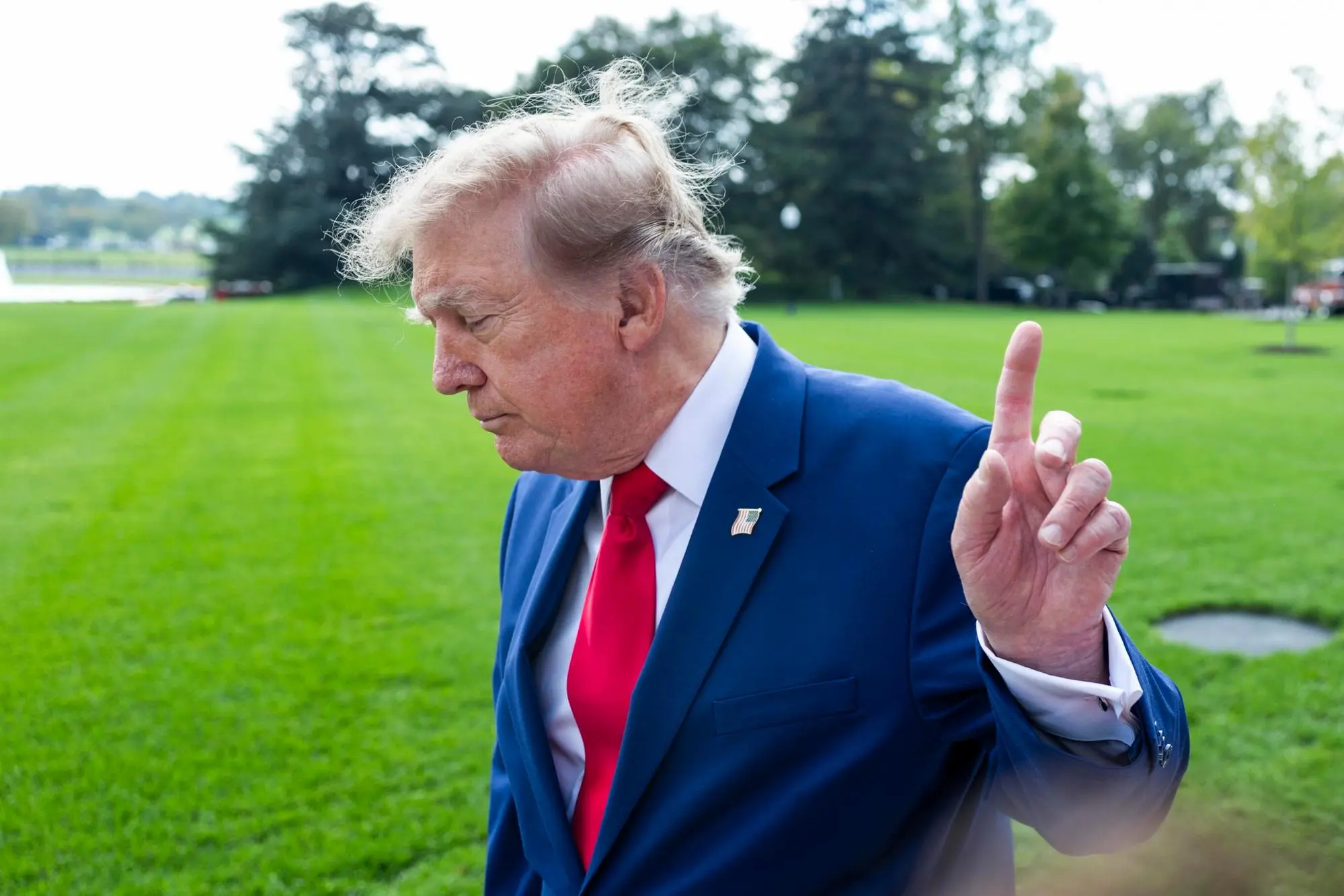
Per restare aggiornato entra nel nostro canale Whatsapp
President Donald Trump is slipping further in the polls, reaching new all-time lows, two weeks before the midterms . His vice president, J.D. Vance, emphasizes the importance of the November 3rd vote, including for his personal choices. "There is, of course, the possibility that I will not run" for president in 2028, the vice president tells CBS News, reiterating that the decision will be lifted after the election, in what, for the first time, has been presented as a "family" decision, one that takes into account the needs of his four young children and his wife's political views.
Republicans' prospects for maintaining their narrow control of Congress are diminishing as Trump's approval rating drops to 33% , according to a Washington Post-ABC News-Ipsos poll. Disapproval of him rises to 66%, with 52% strongly opposed to his policies. The net loss of support is nearly 4% compared to a July poll and 8% compared to one conducted in October 2025, paradoxically making Democrats now, for the first time in over a decade, more reliable than the Grand Old Party on economic issues .
Even the nearly $1 billion in funding, at least so far, has failed to boost Republicans' momentum, given an electorate grappling with frustration over the economic downturn—inflation, skyrocketing living costs, skyrocketing fuel prices—and the unpopularity of the war in Iran . From Labor Day in early September to October 14, Republican groups invested over $740 million in congressional elections, according to a CNBC analysis of AdImpact data. This enormous figure includes at least $220 million spent by groups linked to Trump and Elon Musk, the SpaceX and Tesla boss , who donated another $276 million to Republican groups, helping the Senate Leadership Fund, the Republicans' super PAC, achieve a record result in a single quarter.
Yet the massive spending campaign has barely changed the political landscape . According to FiftyPlusOne polling averages, Democrats are ahead in nine of the most closely contested Senate races: Alaska, Georgia, Iowa, Kansas, Maine, Michigan, Minnesota, New Hampshire, North Carolina, Ohio, and Texas. So much so that Republicans have increasingly shifted funding from offense to defense, investing resources in once-considered safe states like Texas, Kansas, and Nebraska, and withdrawing from North Carolina and the House races. They've also leveraged issues like the presence of transgender athletes in women's sports, border security, and socialism as key elements to convince voters that Democrats are too extreme.
A scenario that explains Vance's caution regarding the 2028 issue . Meanwhile, on the Democratic front, Representative Alexandria Ocasio-Cortez, a star of the progressive Democrats, has rushed to the aid of Abdul El-Sayed, the progressive Democratic candidate for the US Senate in Michigan, who is engaged in a tight race against former Republican Representative Mike Rogers. This has fueled renewed speculation about her political future and presidential ambitions after an unprecedented $1 million contribution to El-Sayed's campaign. "I don't want to wake up on November 4th regretting not having done enough to counter the smear campaigns against Abdul. I'm giving everything I have in this fight," AOC said. Her move, for those observed, could signal her desire to see a greater number of progressives from the Democratic Socialists of America (DSA), contributing to a shift in the direction of the political debate in Washington, ahead of the big leap in 2028.
(Unioneonline)