

Trump-Putin deal: Europeans mocked by their Western ally?
The tycoon decides alone on energy and alliances, Russia profits and the European Union, including Italy, pays the price of its irrelevance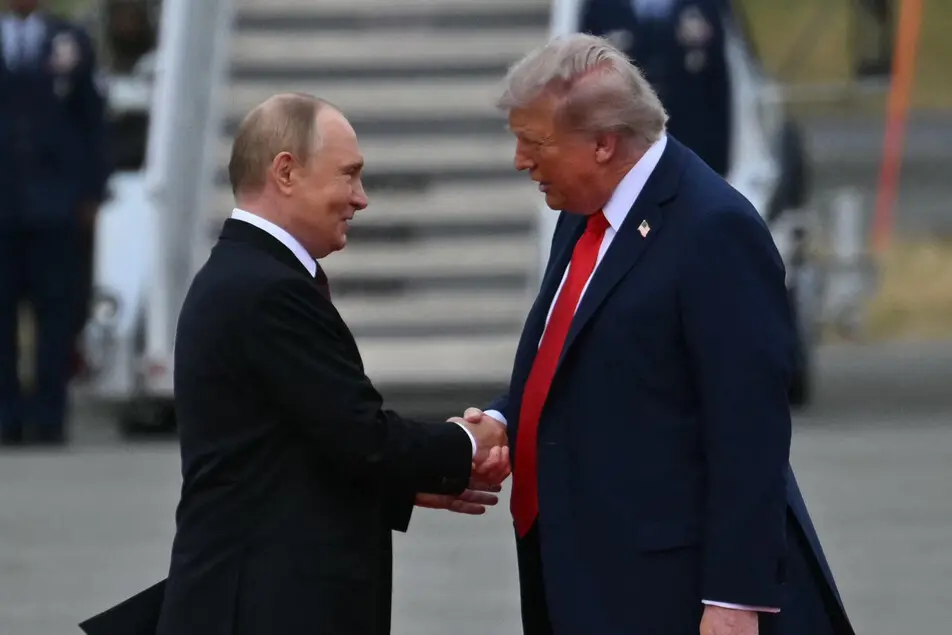
Per restare aggiornato entra nel nostro canale Whatsapp
In short, Italy, but also Europe, ultimately imports liquefied gas from Donald Trump's United States, which will now in turn buy it at a low cost from Vladimir Putin's Russia . Donald Trump is making unilateral and self-referential decisions, and all Europeans, it seems, will have to adapt and follow suit.
It seems, and this is nothing new, that the Western ally (if we still want to consider it that way) is calling the shots without batting an eye and without sharing its intentions with anyone. Some might even exclaim, "God forbid I should take care of my friends, I'll take care of my enemies." But so it is. Whether this "idea" will be enough to save it in the upcoming midterm elections is anyone's guess, and probably, all things considered, it won't be all that helpful. The point, however, seems to be another one, a question of method, so to speak: the old adage "divide and conquer" seems to find its truest and most sincere expression with Donald Trump. East (Russia and China) and West (United States) are coming together, squeezing the Middle World (Europe). If we then consider the fact that this Russian gas supply will be exempt from sanctions until at least April, then the game is over. And it would seem that the epilogue of the Russian-Ukrainian conflict is now sealed. Perhaps, who knows. In the background, likely, is only the bitterness of Europe's lack of influence, its lack of autonomy and capacity for self-determination. Initially, the energy agreement between Italy and the United States, championed by Giorgia Meloni and Donald Trump, attempted to strengthen gas security, but upon closer inspection, it merely served to shift dependence from Moscow (which is cheap) to Washington (which isn't so cheap). The European Union continues to be cornered by history, caught between aspirations for political and military unity and complete autonomy, and continuing internal divisions.
And while Donald Trump, according to press agencies, wanted to declare that "thanks to ... control of the Strait of Hormuz and this important announcement on Russian energy, diesel prices for Americans and the entire world will fall rapidly and at a record rate," Brussels, through a spokesperson, emphasized that "the EU is reducing its dependence on Russian fossil fuels and will continue to do so with determination." A question of strategy, one might exclaim. But who benefits? "With all due respect," as they say, the situation, taken as a whole, benefits only President Vladimir Putin, both economically and in terms of clear and unquestionable political recognition. Russia, with Donald Trump, is once again a leading figure, positioning itself as the economic leader necessary to ensure price stability. If we look at the situation with a sufficient dose of cynicism, there is little reason to be reassured. The message being sent is rather clear and probably not at all reassuring in the short or medium term. Everything seems to be decided solely on the basis of American interests, or rather, those of its current President, who appears to arrogate to himself the right to choose strategies and alliances without regard for anything else. Meanwhile, the European Union, devoid of any international negotiating power due to its lack of self-sufficiency and stuck, so to speak, "in the starting blocks," may well find itself struggling to meet—and already is struggling to meet—pressing economic commitments. Donald Trump seems to have made contradiction his political hallmark. And the European Union, including Italy, is paying the price.
Giuseppina Di Salvatore – Lawyer, Nuoro