Fuel supplies are limited, with restrictions at four Italian airports. Ryanair: "Supplies guaranteed until May."
Flight restrictions at Linate, Venice, Treviso, and Bologna: a sort of controlled kerosene management begins. This is just a taste of what could happen with a prolonged closure of Hormuz.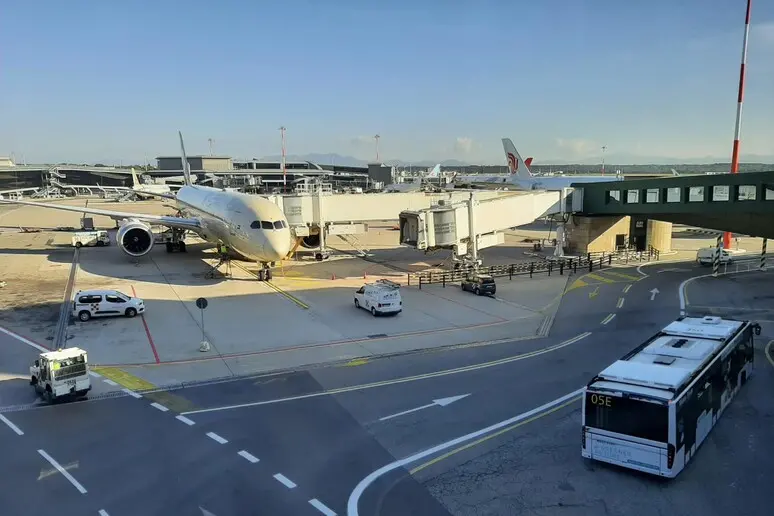
(Handle)
Per restare aggiornato entra nel nostro canale Whatsapp
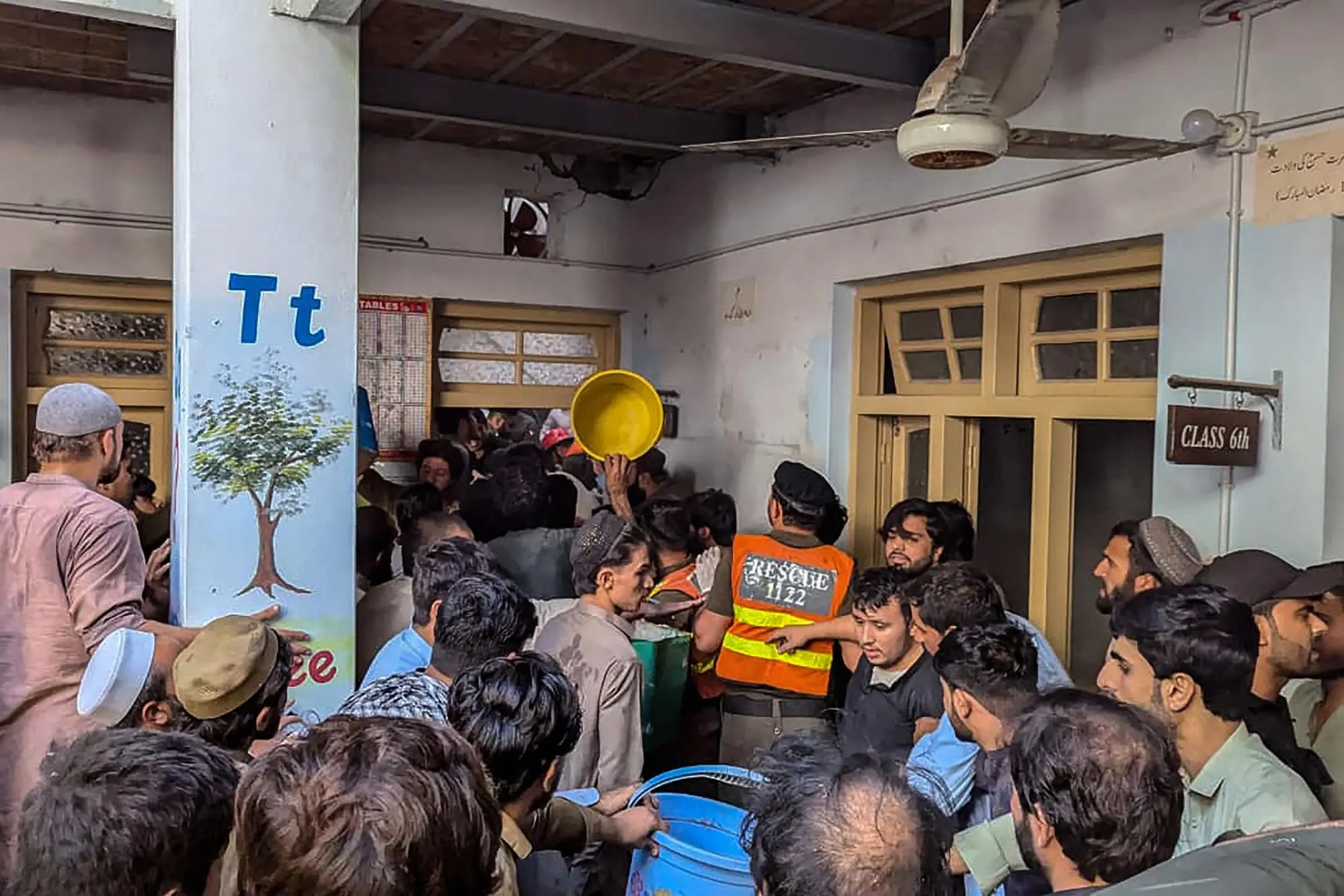
The consequences of the war in Iran and the closure of the Strait of Hormuz are being felt at four Italian airports, where a "reduced" or "limited" availability of fuel for aircraft has been reported up to and including April 9 .
Refueling restrictions have been implemented at Milan Linate, Venice, Treviso, and Bologna, effectively marking the beginning of a controlled management of fuel volumes. This is just a taste of the major crisis in air travel that could arise if the Strait of Messina is closed for a prolonged period. Ryanair, the airline that carries the largest number of passengers in Sardinia, has enough fuel to continue until mid-to-late May, while Lufthansa is already experiencing problems at some Asian airports and is considering parking 40 aircraft in hangars .
Deficiencies at four airports
The alarm at Milan Linate, Bologna, Venice, and Treviso airports was raised when Air BP Italia, one of the main suppliers of fuel to the airline industry, issued a "Notam," an aeronautical bulletin addressed to airlines informing them that in the coming days, until April 9, there will be fuel restrictions at the four airports.
In Treviso, Bologna, and Venice, bulletins report limited fuel availability and warn: "Priority will be given to medical flights, state flights, and flights lasting more than three hours." For all other operators "operating flights lasting less than three hours, a maximum fuel allowance of 2,000 liters per aircraft will apply." The situation is most critical in the lagoon city, where pilots are explicitly asked to "calculate a sufficient amount of fuel from the preceding airport for subsequent flights."
Two thousand liters may seem like a lot, but in reality, it doesn't even cover an hour of scheduled flight. Without additional refueling, this range wouldn't allow you to reach Sardinia from anywhere on the Italian mainland.
At Milan Linate, however, possible restrictions have been announced, but no quantitative limit has been specified: the Notam reports a "reduced availability of Jet A1 fuel supplied by Air BP Italia" until April 9, which is why "refueling services for operators contractually linked to Air BP Italia may be subject to restrictions."
The note from the airports
"The fuel restrictions are not significant for the Save Group airports (Venice, Treviso, Verona). The problem concerns only one supplier, and there are others at the Group's airports that supply most carriers. However, no restrictions are in place for intercontinental flights or flights within the Schengen area, and operations are guaranteed without any alarm," reads a statement from the group that manages the Veneto airports.
Ryanair: "Summer at risk"
If the crisis were to spread and the closure of Hormuz prolonged, the risk is that of a global emergency that would isolate Sardinia, with a significant reduction in flight availability. In the event of austerity, the first to be affected are short-haul flights (less than three hours), because they are easier to manage or cancel and because they consume proportionally more fuel than long-haul flights. This includes, among other things, all flights from Italy to Sardinia and most flights from the rest of Europe to the island.

A statement from Ryanair, the airline with the largest passenger traffic on the island, gives an idea of the danger: fuel is currently guaranteed until mid-to-late May. "We don't expect any shortages in the short term, but the situation is evolving. Our fuel suppliers can currently guarantee supplies until mid-to-late May," the low-cost airline reports. "If the war in Iran ends soon, supplies will not be interrupted. However, if the closure of the Strait of Hormuz were to extend into May or June, we cannot rule out risks to fuel supplies at some European airports."
Ryanair CEO Michael O'Leary said the airline could be forced to cancel between 5 and 10% of flights in May, June and July if the Strait is closed for a prolonged period.
The impact on prices
Then there's the question of the impact of rising fuel prices on flight costs. Ryanair is predicting a doubling of the price of kerosene in March, which will impact fares. The low-cost airline advises passengers to hurry and purchase tickets, as the price increases will be felt as early as Easter.
Lufthansa
Other airlines are also raising the alarm, albeit with more nuanced tones. And Lufthansa is already experiencing problems in Asia. "If the closure of the Strait of Hormuz continues for much longer, the security of kerosene supplies could be at risk," Grazia Vittadini, a member of the German airline's board of directors, told Die Welt. "The availability of aviation fuel is already a problem at some Asian airports. The longer the Strait of Hormuz remains blocked, the more critical the security of kerosene supplies could become," she added.
According to German media, Lufthansa, which owns 41% of ITA Airways, is considering, in a worst-case scenario, parking 40 aircraft in hangars, reducing its fleet by more than 5%.
Similar concerns have been expressed in recent hours by the heads of Air France-KLM and International Airlines Group, which includes British Airways and Iberia.

Vulnerable Europe
Europe imports 30% of its jet fuel needs, making it vulnerable to supply bottlenecks such as the one currently occurring with the closure of the Strait of Hormuz.
This is according to the latest report from the International Air Traffic Association (IATA), published in November, before the conflict with Iran. At that time, the association warned that refining capacity for this type of fuel on the continent was declining, and some areas lacking infrastructure could be vulnerable. For this reason, IATA hoped to replace refineries that had been closed in the past to address potential supply issues.
Uncertain future
For now, these are restrictions that have a minimal impact. But uncertainty remains high, and everything is closely tied to the duration of the conflict. If the closure of Hormuz were to continue, the risk is a domino effect: less fuel available, higher prices, and a progressive reduction in flights.
(Unioneonline/L)