

Pizzaballa case, Netanyahu: "The cardinal should be granted immediate access to the Holy Sepulchre."
The Israeli Prime Minister, after the police's refusal and the ensuing outcry, said: "I have instructed the competent authorities."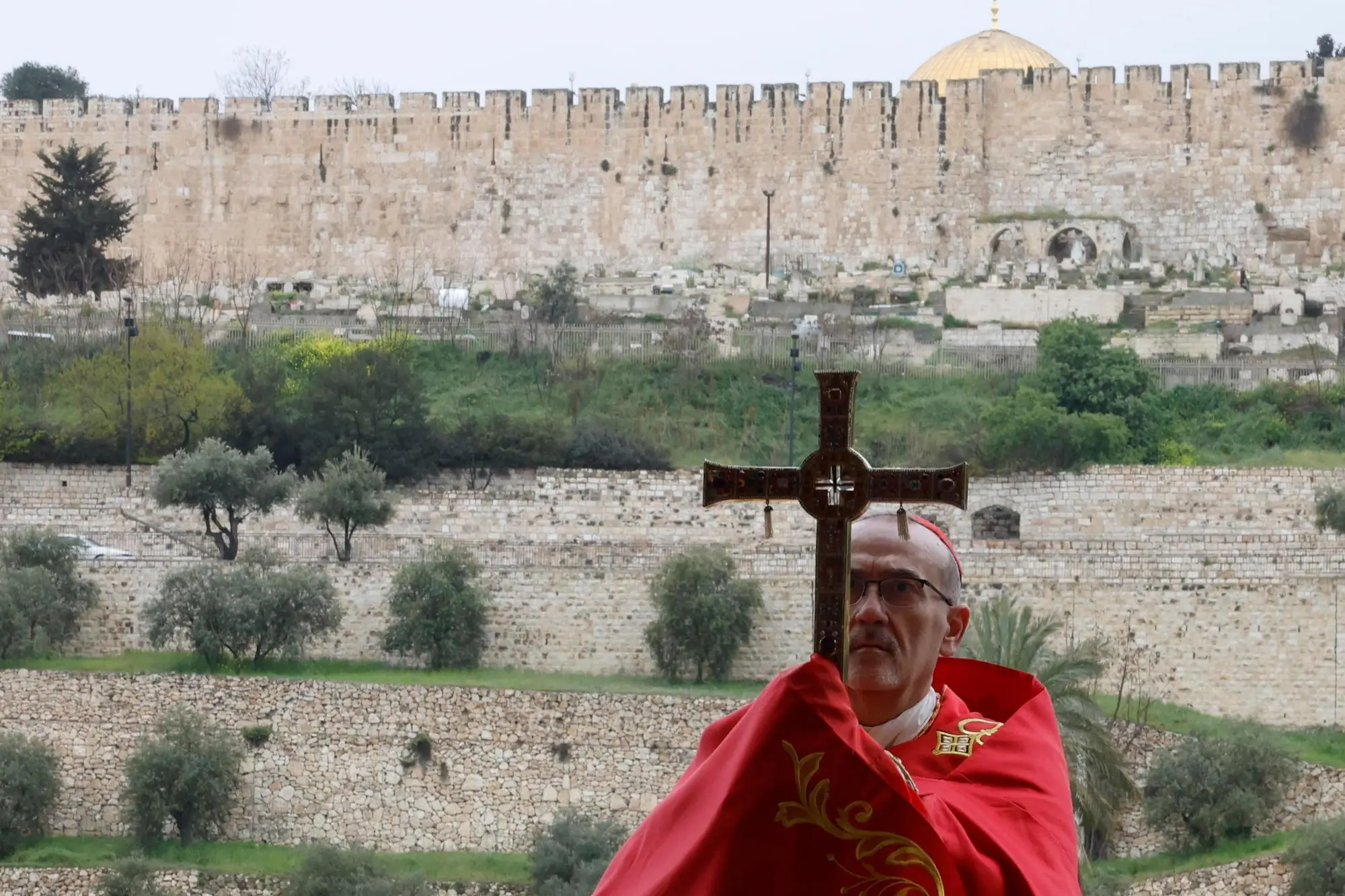
Per restare aggiornato entra nel nostro canale Whatsapp
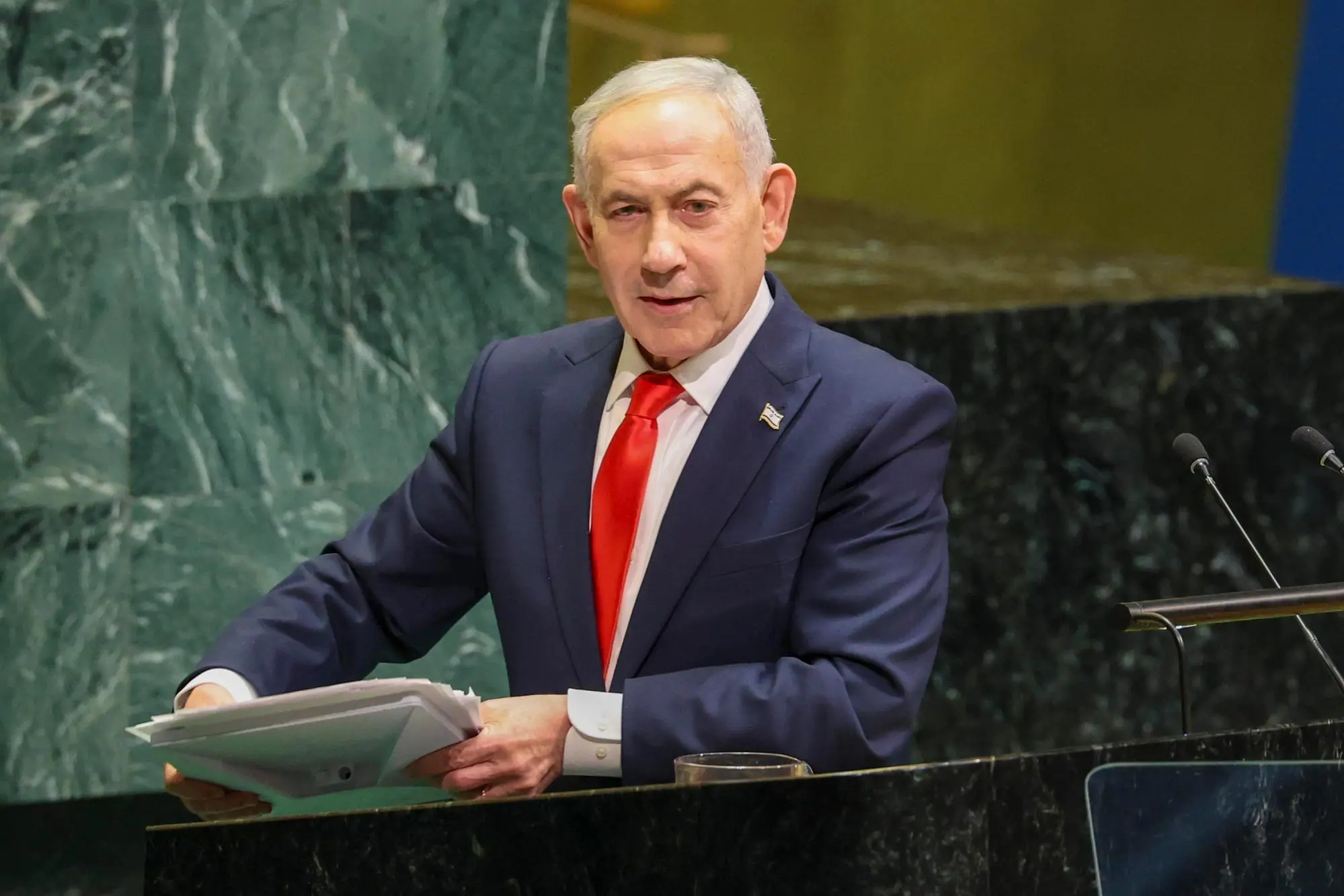
"I have instructed the competent authorities to grant Cardinal Pierbattista Pizzaballa, Latin Patriarch, full and immediate access to the Church of the Holy Sepulchre in Jerusalem." Israeli Prime Minister Benjamin Netanyahu announced this on X after Israeli police yesterday blocked the Latin Patriarch of Jerusalem, Pierbattista Pizzaballa, who, along with the Custos of the Holy Land, Father Francesco Ielpo, wanted to enter the Holy Sepulchre, a basilica that is a symbol of Christianity, for a small private celebration on Palm Sunday. The announcement was made mid-morning.
"In recent days, Iran has repeatedly targeted the holy sites of all three monotheistic religions in Jerusalem with ballistic missiles," Netanyahu wrote. "In one attack, missile fragments fell just meters from the Church of the Holy Sepulchre. To protect the faithful, Israel has asked members of all faiths to temporarily refrain from praying at the Christian, Muslim, and Jewish holy sites in the Old City of Jerusalem," Netanyahu continued. "Today, out of particular concern for his safety, Cardinal Pizzaballa was asked to refrain from celebrating Mass in the Church of the Holy Sepulchre. While I understand this concern, as soon as I learned of the incident with Cardinal Pizzaballa, I instructed the authorities to allow the Patriarch to celebrate religious services as he wishes."
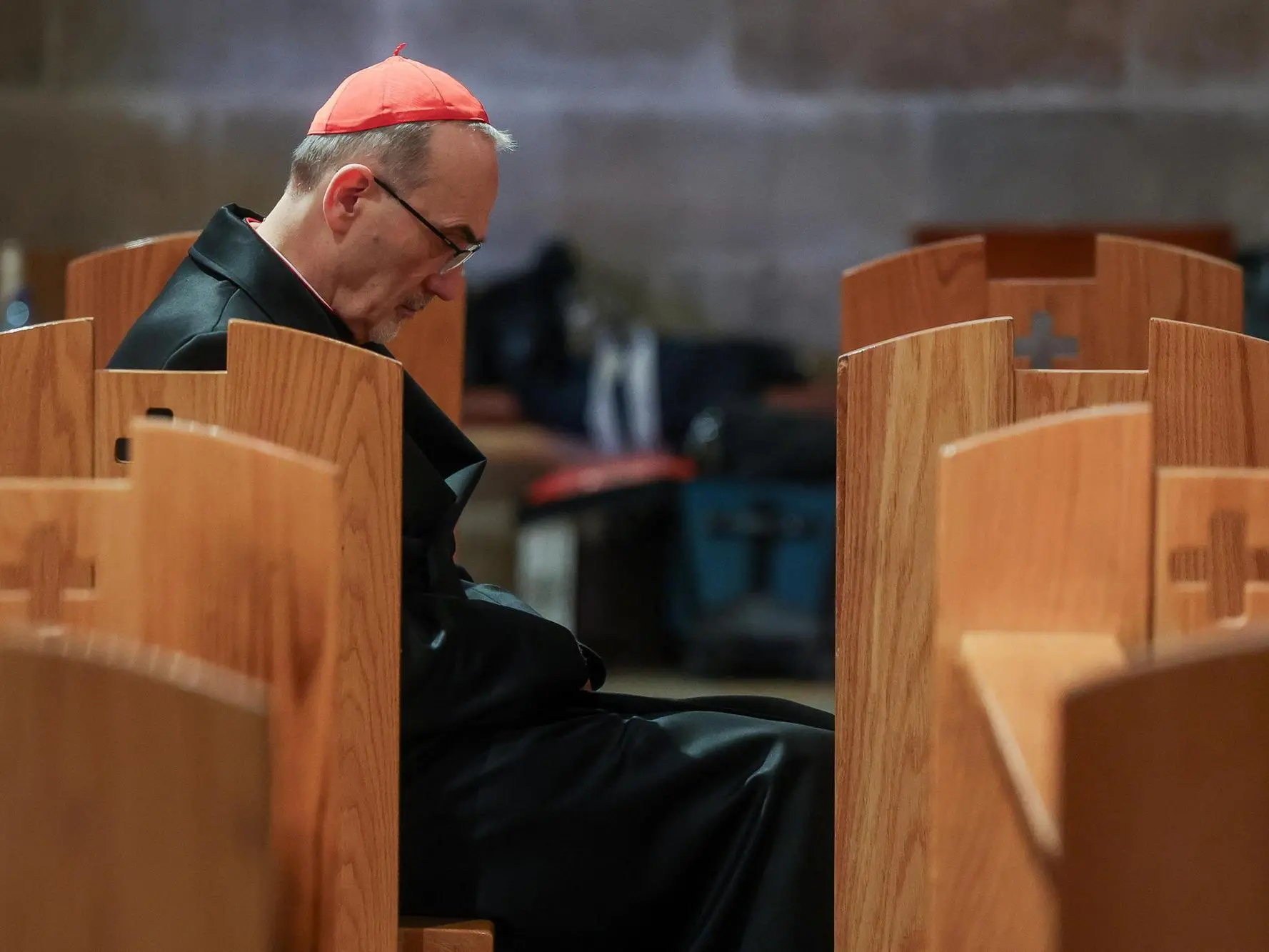
Yesterday, a storm erupted over Israel's decision. The Patriarchate immediately called the measure "manifestly unreasonable and disproportionate" because it "represents an extreme violation of the fundamental principles of reasonableness, freedom of worship, and respect for the status quo." At the Angelus, Pope Leo expressed his "closeness" to Christians in the Middle East who "are suffering the consequences of an atrocious conflict and, in many cases, are unable to fully experience the rites of these holy days." But the outrage over the suspension of a visit that, as the Patriarchate emphasized, was "private" in nature and therefore did not compromise the strict security measures in place in Jerusalem, has reached the Italian government. Prime Minister Giorgia Meloni has been harsh, calling Israel's decision "an offense not only to believers, but to every community that recognizes religious freedom." Foreign Minister Antonio Tajani called the ban "unacceptable," expressed his outrage, and summoned the Israeli ambassador. Meanwhile, Defense Minister Guido Crosetto called today's episode "worrying and unprecedented."
Solidarity with Pizzaballa also comes from Democratic Party secretary Elly Schlein. French President Emmanuelle Macron also condemns the Israeli police's decision from across the Alps. The Israeli embassy's reaction to the Italian government's protests is immediate: "We would have preferred a different response, but we understand the sensitivity of the Christian world," says Ambassador Jonathan Peled. Meanwhile, the Italian Bishops' Conference (CEI) expresses "outrage" and calls on all governments to call a "truce" for Easter. Tensions are rising as Pizzaballa heads to the Mount of Olives for a Covid-style prayer for peace, again due to restrictions: "We are experiencing a very complicated situation, but we want peace," he states in the liturgy. "Today Jesus weeps over Jerusalem," he adds, on the day Christians commemorate Jesus' entry into the holy city astride a donkey, a prelude to Holy Week that culminates in Easter, "but war will not prevail." Israeli Ambassador to the Holy See Yaron Sideman insisted the suspension was necessary for security reasons. But soon afterward, signs of reconciliation emerged. Israeli President Isaac Herzog himself intervened: "I just telephoned the Latin Patriarch of Jerusalem to express my deep sorrow for the unfortunate incident this morning" and "I reiterated Israel's unwavering commitment to religious freedom for all faiths and to preserving the status quo in Jerusalem's holy sites."
(Unioneonline)