A truce in Lebanon has been reached. Tehran reopens Hormuz but cuts short its nuclear program: "We won't give up our uranium."
New round of negotiations on Sunday, the tycoon ready to fly to Islamabad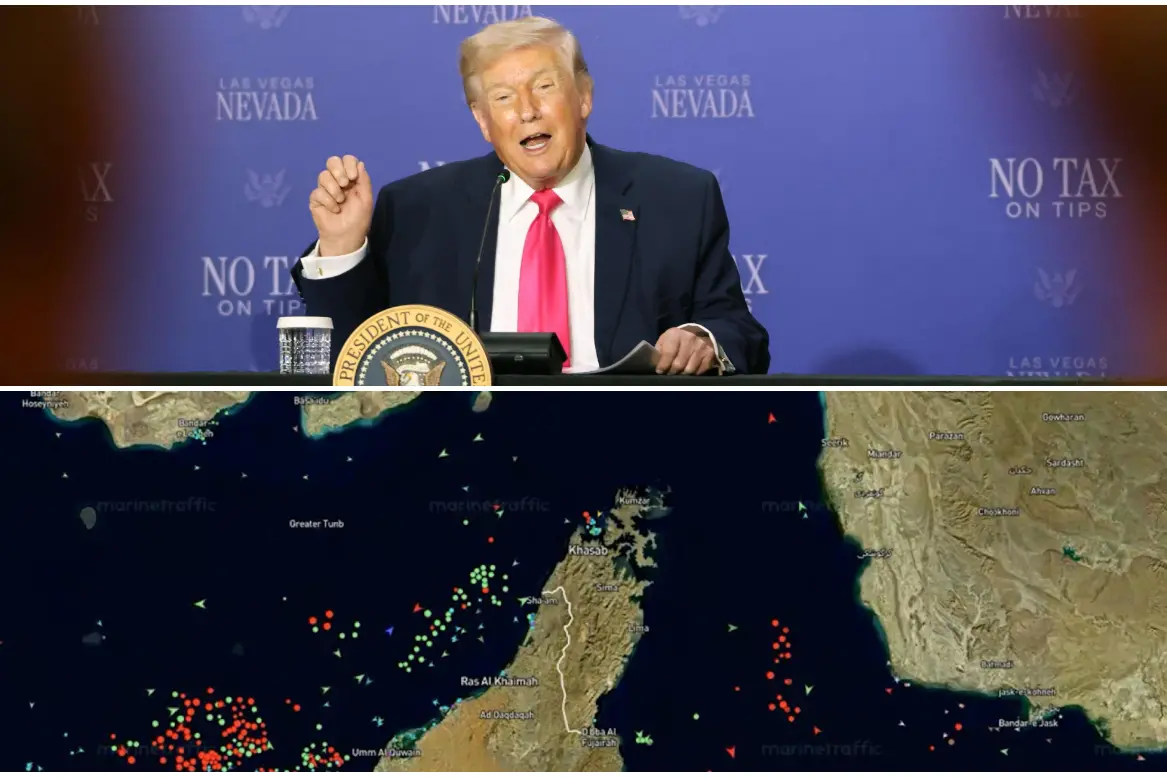
Per restare aggiornato entra nel nostro canale Whatsapp
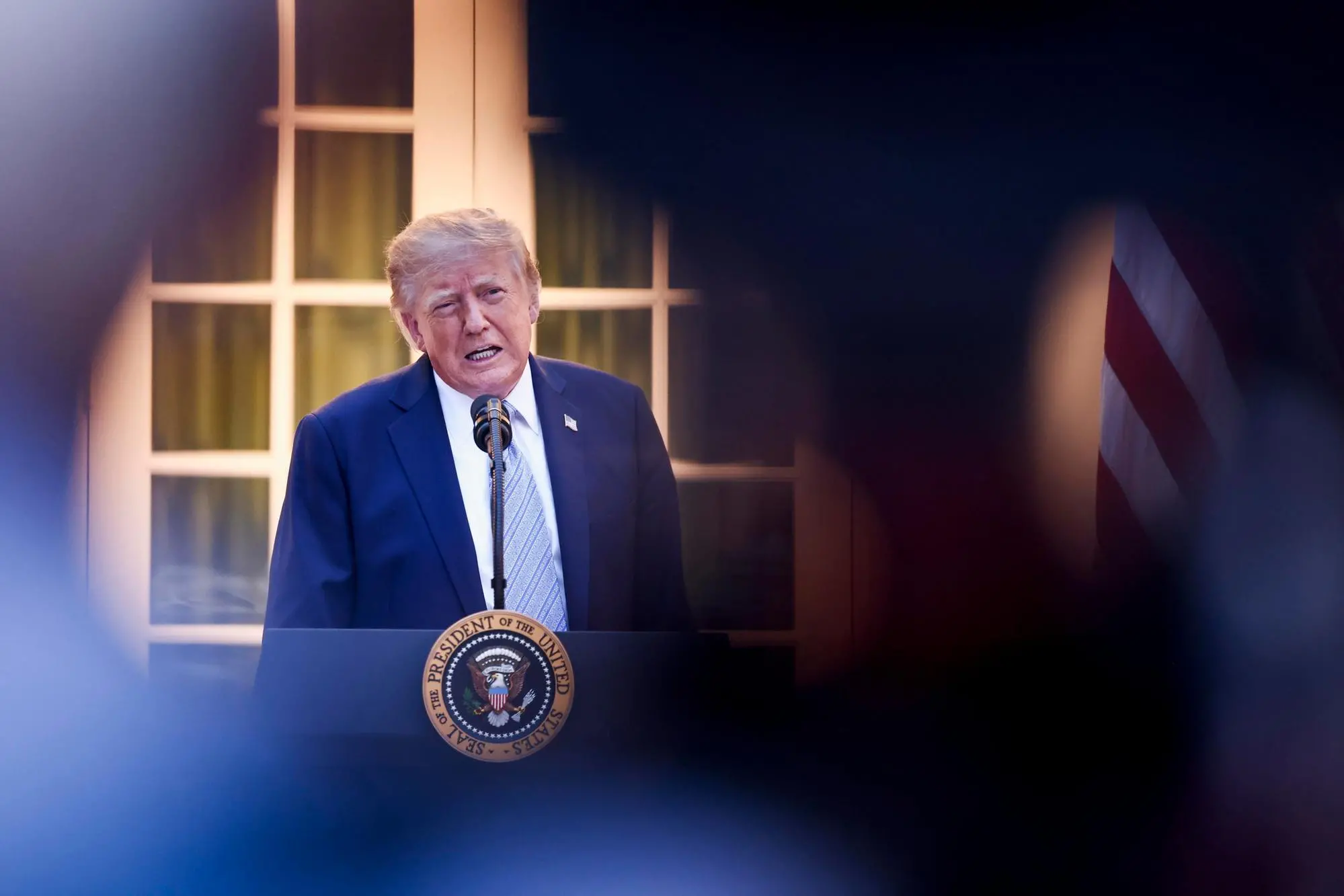
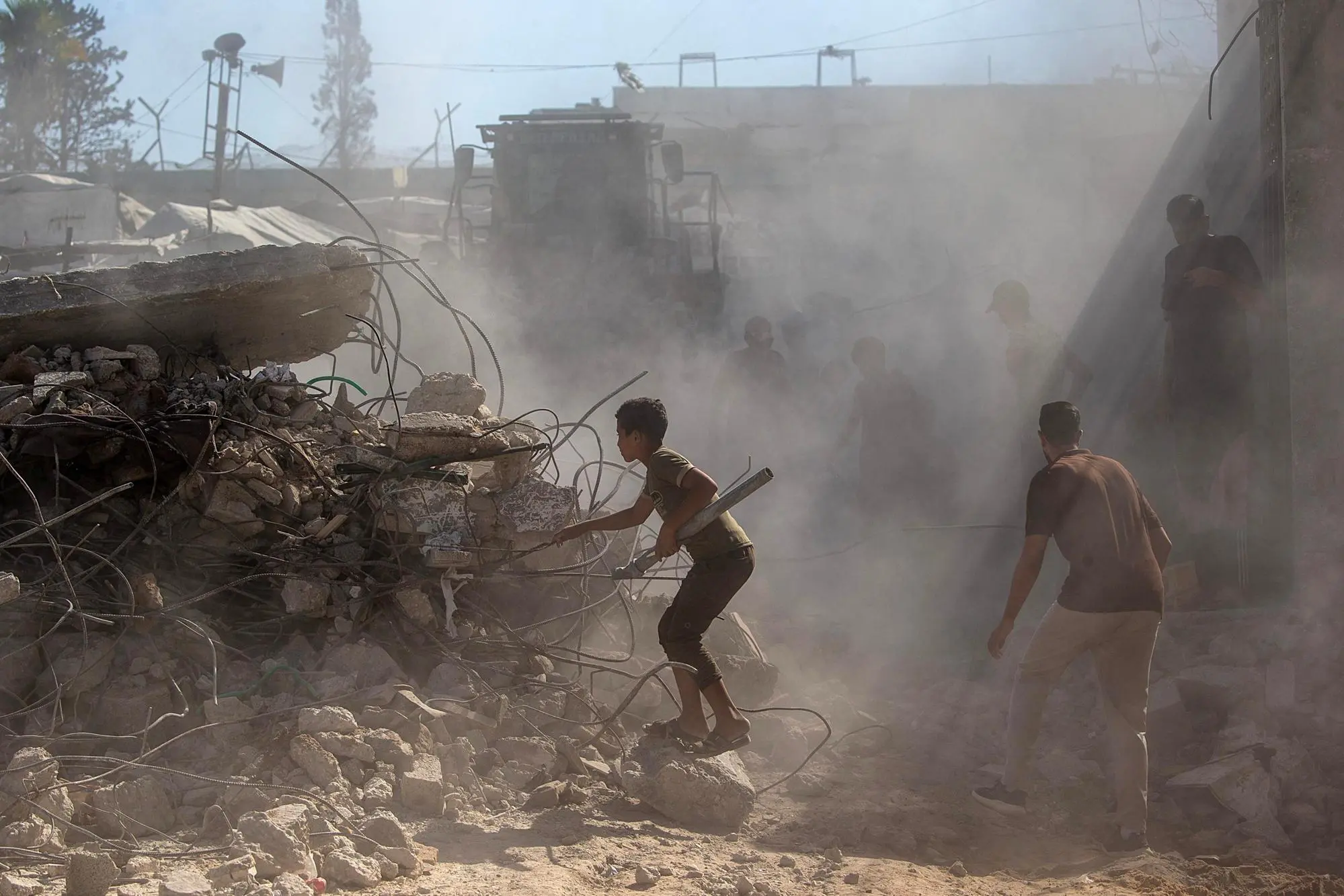
" Israel will no longer be able to bomb Lebanon; the United States has forbidden it from doing so ." Donald Trump announced a 10-day truce on the last remaining front in the war, which began on February 28 against Iran and which two days later reignited tensions between Hezbollah and the Jewish state. "It has been an honor to resolve nine wars in the world, this will be the tenth," the tycoon commented in his own words on Truth, in the first of a long series of posts that day. A truce that "has nothing to do with Iran," the American president stated, but which instead resulted in Tehran announcing the "complete" opening of the Strait of Hormuz "for the remainder of the ceasefire" with the United States on Tuesday, April 21.
A breath of fresh air for the markets, with the main international markets rising and oil prices dropping more than 10%, returning to $85 a barrel. The April 21 deadline, however, may no longer be necessary if it's true that an agreement with Iran "is very close, within a couple of days," as Trump himself claims. In another cryptic post, he thanked Pakistan, the mediator, for "a great and wonderful day for the world." A second round of negotiations is expected in Islamabad , likely on Sunday, Axios reported, and according to the Wall Street Journal, Trump is even ready to travel in person to the Pakistani capital if an agreement is reached . "It's very likely we'll reach it. It'll be a good deal," the tycoon anticipated, adding that the regime has agreed to suspend its nuclear program indefinitely—the main sticking point of the negotiations—and to hand over its stockpiles of enriched uranium.
"Many of the points have been finalized. It will proceed rather quickly," the president observed in an interview with Bloomberg, denying the 20-year expiration of the moratorium on Iran's nuclear program, which Tehran had attempted to relaunch with a five-year extension. "No years, unlimited," Trump cut short. On the nuclear issue, however, statements from the Iranian Foreign Ministry have arrived, assuring that its enriched uranium will not be transferred elsewhere : " The option of transferring Iran's enriched uranium abroad is unacceptable ," a ministry spokesperson told Iranian media.
The US president also denied that Iran could receive frozen funds in the United States. He was referring to Axios's reports that, in the three-page "memorandum of understanding" between the two countries, Tehran is expected to receive $20 billion in frozen assets in exchange for the delivery of enriched uranium. Barack Ravid's (American) sources reported that the United States was initially willing to allocate $6 billion to Iran, to be used for the purchase of food, medicine, and other humanitarian goods, and that the Iranians asked for $27 billion, before finally settling on $20 billion. "There will be no exchange of money, in any shape or form," Trump thundered again on Truth.
Iran would instead be allowed to use nuclear reactors for medical purposes, but only above ground, abandoning existing underground facilities. The memorandum, Axios continues, also addresses the issue of the Strait of Hormuz, on which, however, significant disagreements remain. After Iranian Minister Abbas Araghci announced the reopening, state television clarified that passage would only be granted to merchant ships, not military vessels, while Trump reiterated that the naval blockade implemented by the US last week "remains in effect" until negotiations with Iran "are 100% complete." It is unclear whether the memorandum also addresses the issue of Iranian ballistic missiles and Iran's support for regional armed groups. Benjamin Netanyahu was pressured into accepting the ceasefire in Lebanon "at President Trump's request," but in a video statement, he explained that the work to disarm Hezbollah "is not yet finished." "The road to peace is still long, but we have taken it. In one hand we hold a weapon, the other is held out as a sign of peace," he added.
(Unioneonline)