US raid on Iran, Trump: "The truce is over, they're sick and liars." Tehran retaliates against its Gulf bases.
Weapons are back in the spotlight in the Middle East: the powerful strikes ordered by the American president directly from the NATO summit in Ankara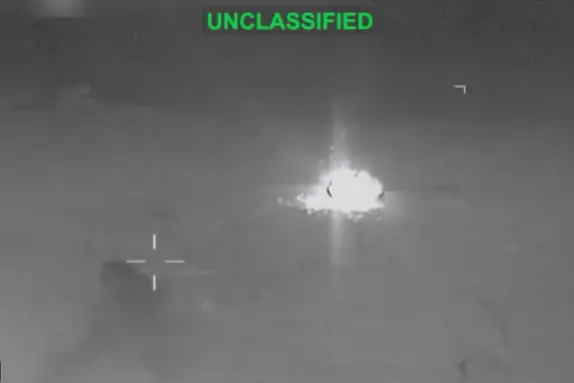
(Handle)
Per restare aggiornato entra nel nostro canale Whatsapp
Weapons are back in the air in Iran. Donald Trump, from the NATO summit in Ankara, ordered a series of "powerful strikes" in response to Tehran's "actions against commercial vessels in the Strait of Hormuz."
According to the Central Command, the strikes are a response to Iran's attacks on three commercial ships transiting Hormuz, actions that Washington considers an unjustified act of aggression and a violation of the ceasefire.
The escalation comes as negotiations between the United States and Iran are still ongoing for a final agreement. In the hours preceding the meeting, the U.S. Treasury Department had also revoked a temporary sanctions waiver that allowed Iran to produce, sell, and export crude oil until August 21, further increasing economic pressure on Tehran. This was a key part of the ceasefire agreement and the reopening of Hormuz.
The US Central Command said it hit more than 80 targets in overnight strikes: "We hit Iranian defense systems, command and control networks, coastal radar stations, anti-ship missile capabilities, and more than 60 small boats of the Islamic Revolutionary Guard Corps in and near the Strait," the US military wrote in a statement published on X.
These are the first US military strikes since late June, when several days of attacks and counterattacks between the two sides erupted. The US targets include air defense systems, coastal surveillance systems, surface-to-air missiles, anti-ship cruise missile sites, drone launch sites, and port facilities.
Axios reports attacks that are four or five times more powerful and in scope than those that occurred ten days earlier .
Iran responded by striking US bases in Kuwait and Bahrain . The Revolutionary Guards said they struck dozens of US military installations in Bahrain and Kuwait in response to the American attacks, according to a statement carried by state broadcaster IRIB. "In an initial response to this aggression, the Navy and Aerospace Forces of the Revolutionary Guards conducted a missile and drone operation, striking 85 key US military installations " in the two countries and downing an MQ-9 drone, the statement read.
"Iran is a sick and lying country, the ceasefire is over," Trump thundered this morning from Ankara.
"Serious violations of the US-Iran Memorandum of Understanding by the United States: Violation of regulations in the Strait (of Hormuz, ed.). Persistent threats of further attacks. Reintroduction of oil sanctions. Attacks on southern Iran. Continued Zionist aggression on Lebanon. The era of bullying and extortion is over. It leads nowhere. We will not bend ," wrote Mohammad Bagher Ghalibaf, speaker of the Iranian Parliament and Iran's chief negotiator in the negotiations with the United States, on X.
The Central Command of the Armed Forces of the Islamic Republic later declared in a statement that "Iran will not allow any interference in the management and affairs related to the Strait of Hormuz under any circumstances."
(Unioneonline)