

Ulysses in Santa Teresa Gallura? Architect Fara's thesis on the land of the Laestrygonians
A close comparison between the Homeric text and possible concrete findings in the sea, in the bay and along the coast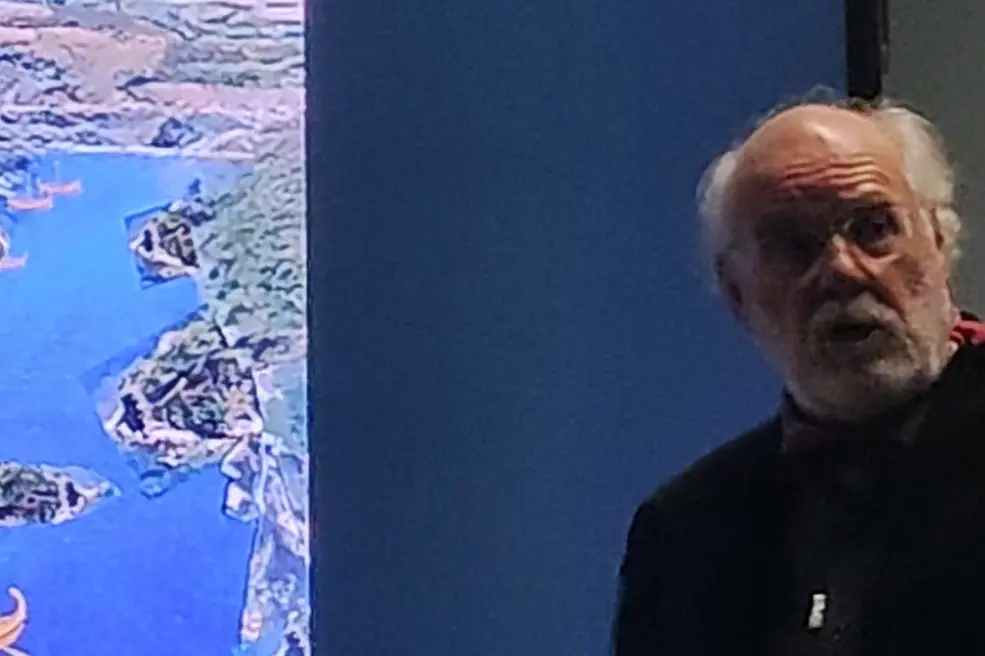
(photo Ronchi)
Per restare aggiornato entra nel nostro canale Whatsapp
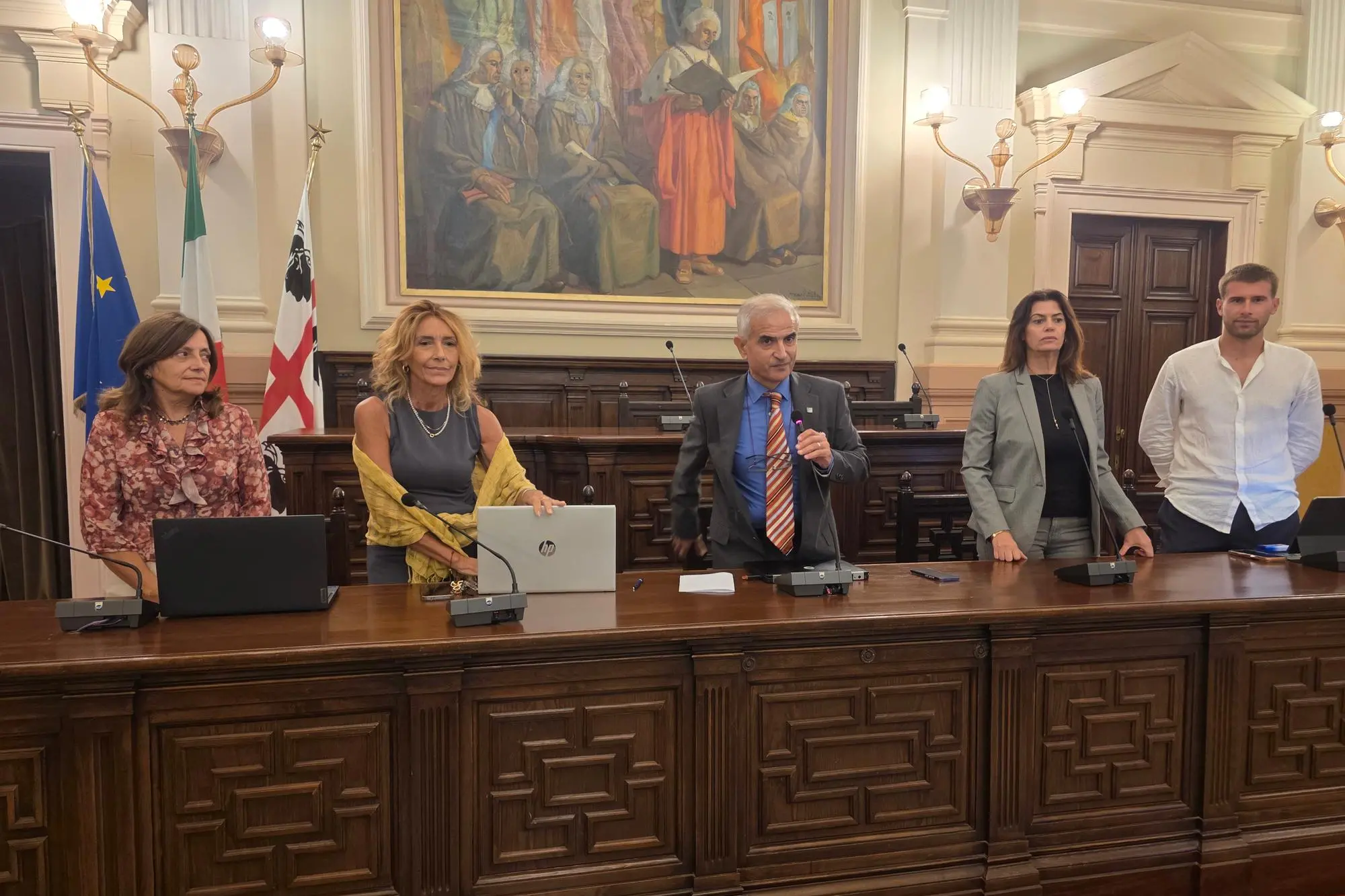
The theory presented a few days ago in Santa Teresa Gallura regarding the possible landing place of Ulysses here during his journey narrated in the Odyssey, identifying it as the port of Longonsardo, was suggestive and intriguing.
The latter was identified by architect Giovanni Fara as the legendary land of the Laestrygonians. Although archaeologist Angela Antona expressed some doubts at the end of the meeting, at least some of the audience was quite fascinated. The idea Fara also expressed at the end of the meeting seemed a good one : to create a literary trail through the places Homer and his men may have trod, where the events narrated in the Odyssey took place.
The exposition of the thesis by the professional, who has been dealing with the subject for decades, was long, detailed and detailed, without any emphasis, based on reasoning and on a close comparison between the Homeric text and possible concrete findings in the sea, in the bay and along the coast of Santa Teresa Gallura.
Architect Fara's thesis refutes that previously formulated by Victor Bérard, a writer and Homeric scholar, who instead identified Palau, and Capo d'Orso in particular, as the "land of the Laestrygonians," the cannibalistic giants described in Book X of the Odyssey. According to Fara, the Laestrygonians were the Nuragic people who inflicted heavy losses, "skewering" and hitting them with stones, on the 500 Greeks. Only about fifty of them managed to escape, forcing Ulysses to flee and set sail again to return, after many vicissitudes, to his beloved Penelope in Ithaca.