

The president of the Culture Commission resigns during the Redeemer's Festival in Nuoro.
Paola Siotto steps back after controversy surrounding the celebrations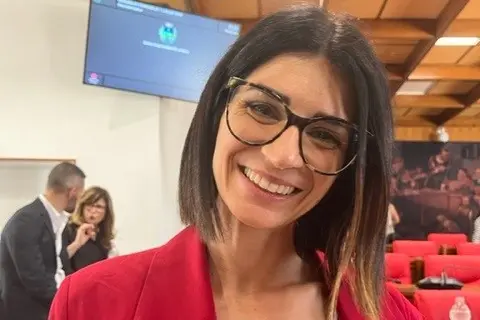
Per restare aggiornato entra nel nostro canale Whatsapp
The debate surrounding the 126th edition of the Festa del Redentore in Nuoro has been rocked by a snowball effect . Following the statement from Vice President Antonello Cucca and the opposition against Councilor Natascia Demurtas, the chair of the Culture Committee, Paola Siotto, a member of the ruling Five Star Movement, has resigned . While not openly declared as a polemical move, this step comes amidst evident tension with the Department of Culture, led by Natascia Demurtas (Democratic Party).
This decision (actually predating Cucca's statement) weighs heavily on the majority's balance of power and comes amid the controversy surrounding the demonstration's program, approved in recent days by the council without any support or consideration of the commission's recommendations. Siotto herself, without addressing the merits of the dispute, nevertheless clarified: "I reiterate my full support for the mayor," suggesting a nuanced position within the city's political landscape.
The most harshly criticized is the Vice President of the Culture Committee and leader of the "Nuoro. A capo" group, accusing the Administration of having handled the city's most iconic event "without vision." The program's content is in the spotlight, calling it "yet another missed opportunity" and describing it as "a copy-and-paste without any planning," with "the only difference being the signature of the sector director."
At the heart of the protests, therefore, is the failure to incorporate the recommendations that emerged during the Culture Commission meeting on February 27, which included representatives of the majority party. At that meeting, proposals were put forward regarding the revision of the event's itinerary, its duration, and the need to relaunch the event with a more innovative approach. These recommendations, according to Cucca, "went completely unheeded."
The method adopted was equally harsh. The Councilor's absence during the Commission's work was criticized, and reference was made to limited meetings with some associations, while others were excluded. "An opaque framework with little respect for the principles of transparency and participation," the committee emphasized. Among the unresolved issues is the role of the knights. In the previous edition, they had also been excluded from the Bishop's blessing in front of the Cathedral, with their route diverted to side streets. This decision was described as "incomprehensible," which "undermines a historical and identity-defining component of the festival," and which, according to the complaint, "does not appear to have been subject to any revision in the approved program." Cucca denounced the weakening of the role of the Culture Commission, whose consultative and political-administrative functions were "completely trampled upon."
This accusation, following the resignation of President Siotto, takes on even greater weight. The resignation of the Commission president and the opposition's criticisms thus reignite the political debate over one of the most defining events for the Nuoro community, also raising questions about the stability of relations within the majority.