The Ingot Safe: A Journey to the San Gavino Foundry, the (Missed) Target of the Raid
From lead to precious metals: one hundred workers at work and a highly secure vault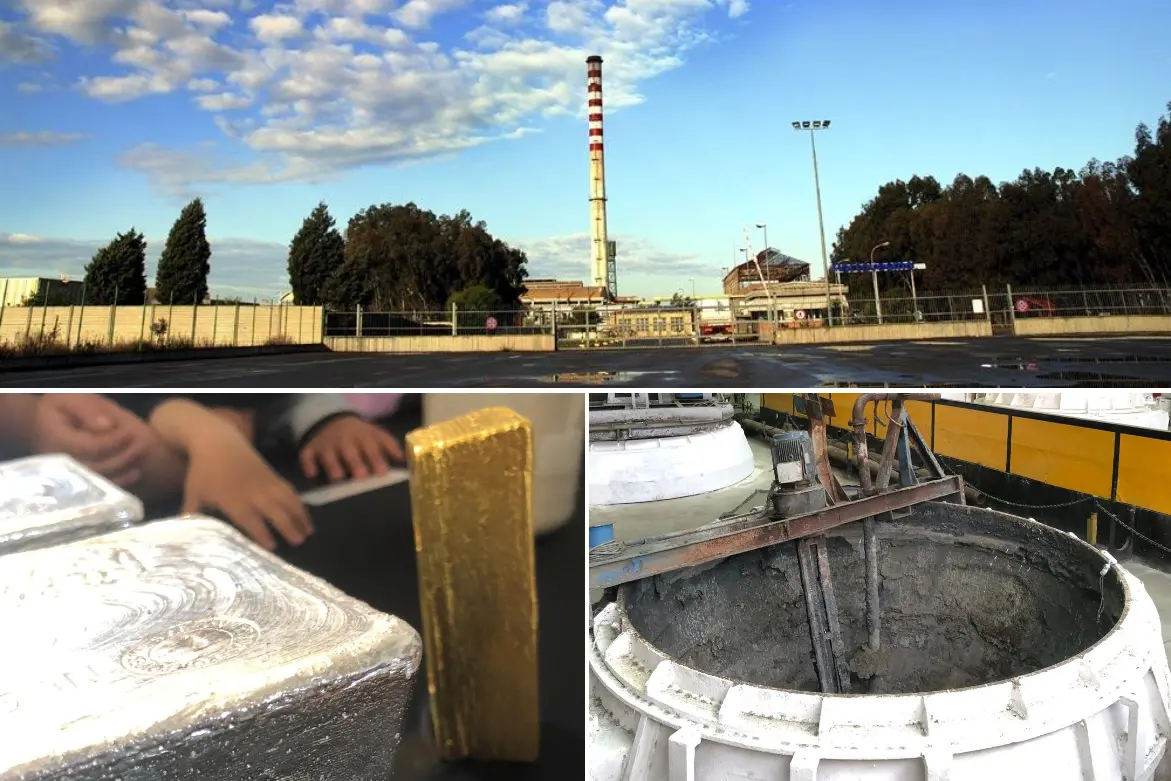
Per restare aggiornato entra nel nostro canale Whatsapp
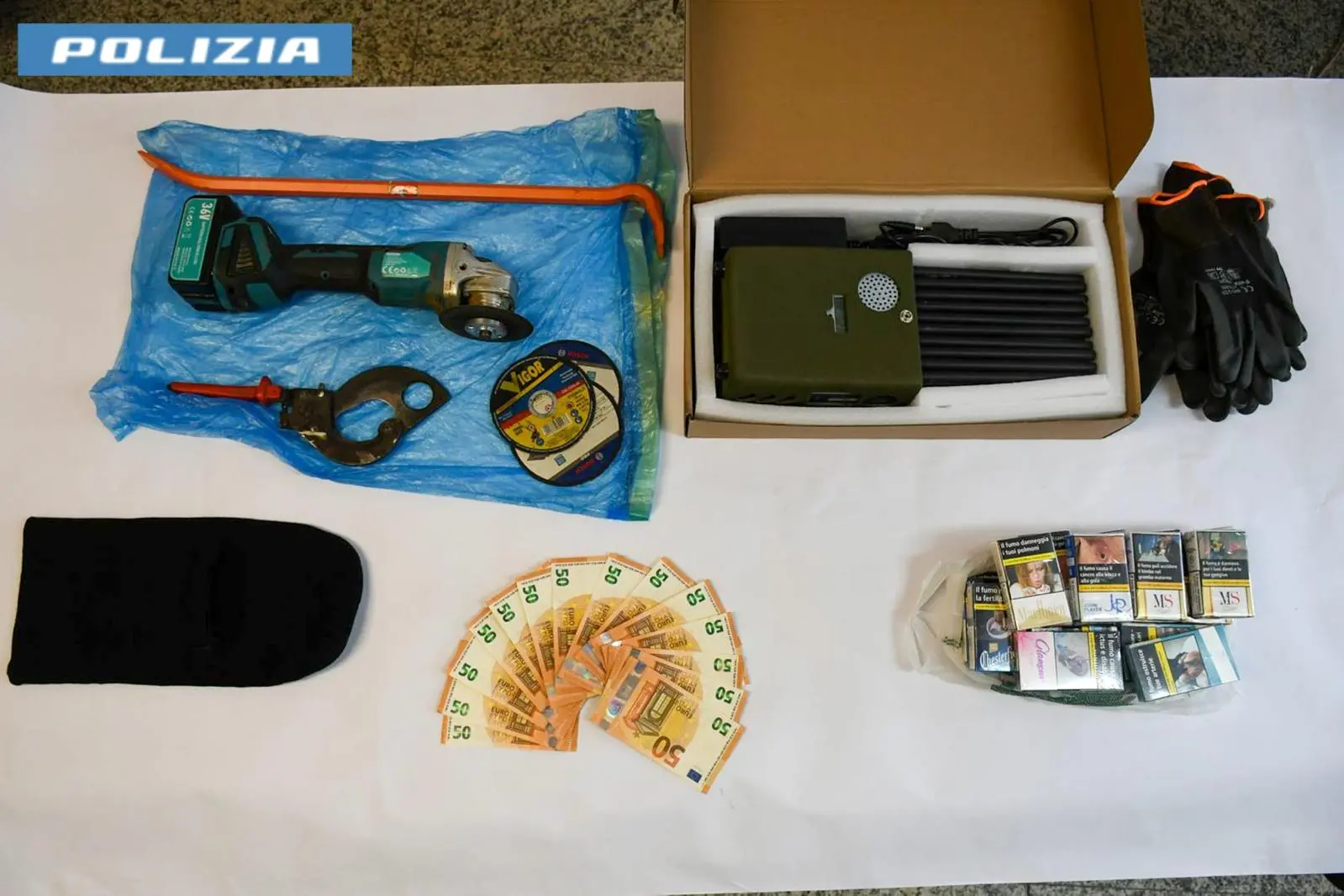
The (fortunately unsuccessful) plan to raid the foundry vault housing the gold bars shocked the town and the more than one hundred employees of the historic factory, which opened way back on June 10, 1932, to process metals from the nearby mines of Ingurtosu and Montevecchio. But the San Gavino Monreale plant, owned by Portovesme Srl, a Swiss subsidiary of the multinational Glencore, is no museum: its facilities are still in operation, processing lead that no longer comes from the Montevecchio mines, but from a German plant owned by Portovesme Srl.

A thriving market
From the refining of 70,000 tons of lead per year, approximately 150 tons of silver and approximately 100 kilograms of gold are obtained. These are transformed into ingots and stored in the vault, where they are sold on national and international markets. And precisely for this most precious metal, armored vehicles depart the San Gavino plant with the utmost discretion, headed first for the port of Olbia and then on to Tuscany, bound for Arezzo.

The processing
The shift change siren no longer sounds, but the foundry employees work seven days a week in a facility located on the outskirts of town, in the "Piscina e Linu" area, not far from the road leading to Pabillonis. The lead is heated to a melting temperature of over 1,000 degrees Celsius, and a special electrochemical process separates the precious metals present in this alloy, namely the ultra-pure silver and gold. Then, based on demand, gold bars ranging from 1.5 to 12 kilograms are produced, and silver bars that can weigh up to 30 kilograms.

From servants to workers
The foundry, nearly a century old, is the only remaining industry in the Medio Campidano area, now a graveyard of closed factories and mines. "The foundry," explains Professor Salvatore Manno, longtime vice-principal of the Lussu High School, "is our twentieth-century history; it represents the half-successful attempt to transform an agricultural and pastoral community into a modern industrial town." This factory, he emphasizes, "has helped change the very mentality of the Sangavino 'srebidori,' who have acquired the dignity of citizens and workers." The plants operate 24 hours a day and operate in three shifts. More than once a year, the plant opens to visitors for "Open Monuments," and it's possible to tour the air raid shelter built during the Second World War. In the foundry, work is often passed down from father to son, and there are many former employees, like Marco Argiolas, who have worked there for many years: "I spent more than 42 years of my life inside the foundry, until I retired."
Love and hate
Antonio Garau, 80, president of the "Sa moba sarda" association, also worked there for decades. He asked to manage the nearby "Due fonderie" museum, which has been closed for years and preserves the memory of the historic factory. "My feelings toward the foundry have always been twofold," he says. "Hate for the diseases it brought, linked to the presence of lead, and for the social divisions it created: those who worked flaunted luxury clothing and spoke only Italian. At the same time, the foundry brought prosperity and culture. San Gavino, from a village of shepherds and market gardeners, became a thriving town. Then came the Italpiombo team in Serie D, and I've always said that the stench of hunger is much worse than the stench of sulfur from the foundry. In the past, I worked six days a week, 48 hours a week."
Economic growth
For Culture Councilor Riccardo Pinna, the San Gavino foundry is an essential part of the community's history: "In nearly a hundred years of operation, it has provided jobs and development, contributing to the economic and social growth of the area. Its value extends beyond the plant itself: it concerns the workers, their families, and the related industries that, with commitment and sacrifice, have supported the town's economy and identity for decades."
Gigi Pittau