

Sardinian schools, few foreigners. "The problem is empty desks."
Zuppi: "Inclusion is a tool for peace." Portas: "No to discriminatory rhetoric."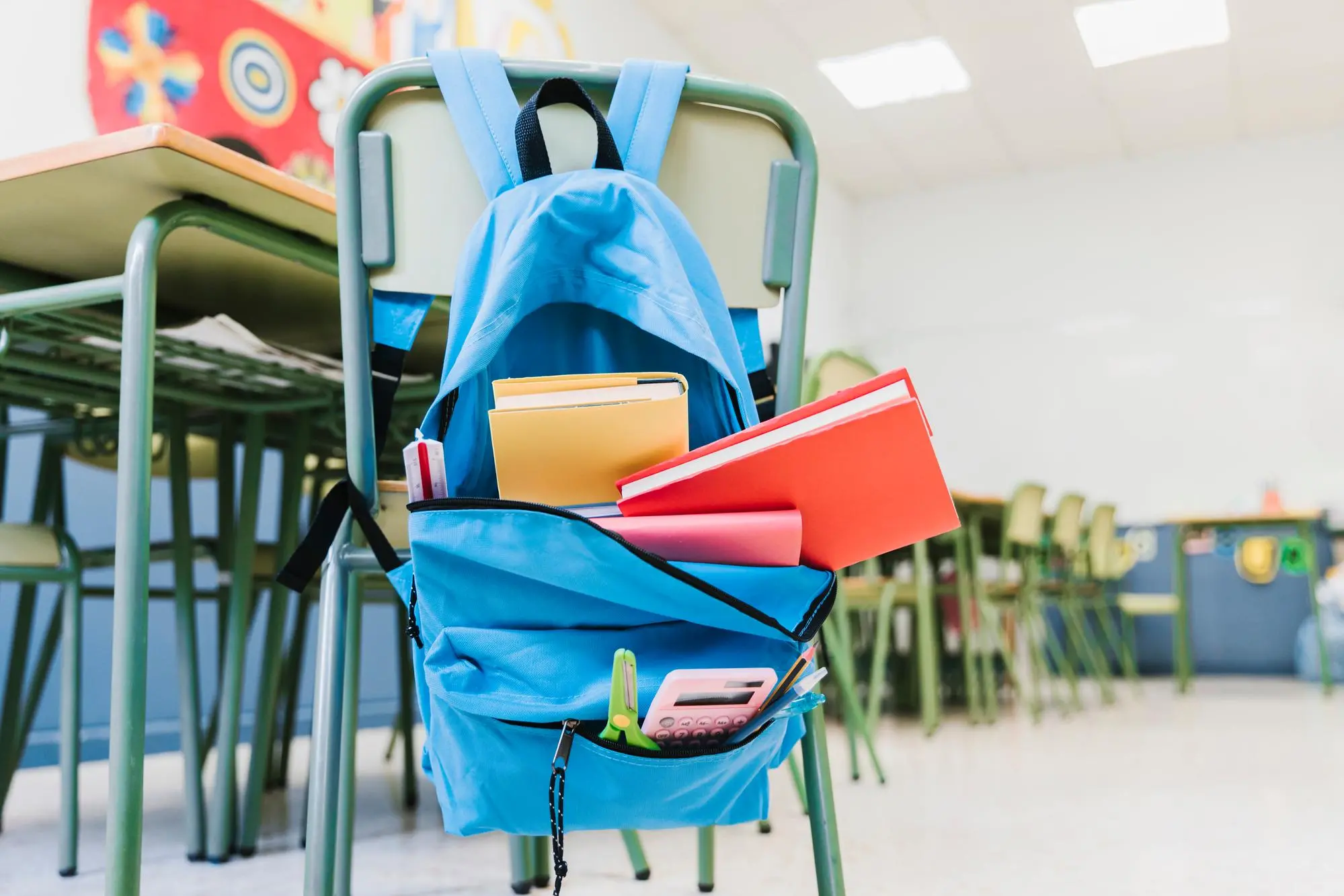
Per restare aggiornato entra nel nostro canale Whatsapp
"We cannot accept that a child's place of birth, economic or physical condition, or social context determines their learning opportunities. A truly inclusive school is one of the most powerful instruments of justice and peace," says Cardinal Matteo Zuppi. And while everyone is expressing concern, calling for dialogue, and talking about "discrimination," the government is forging ahead and working quickly to enact the Prime Minister's announcement regarding the cap on foreign students and the ban on wearing headscarves in school.
The crisis
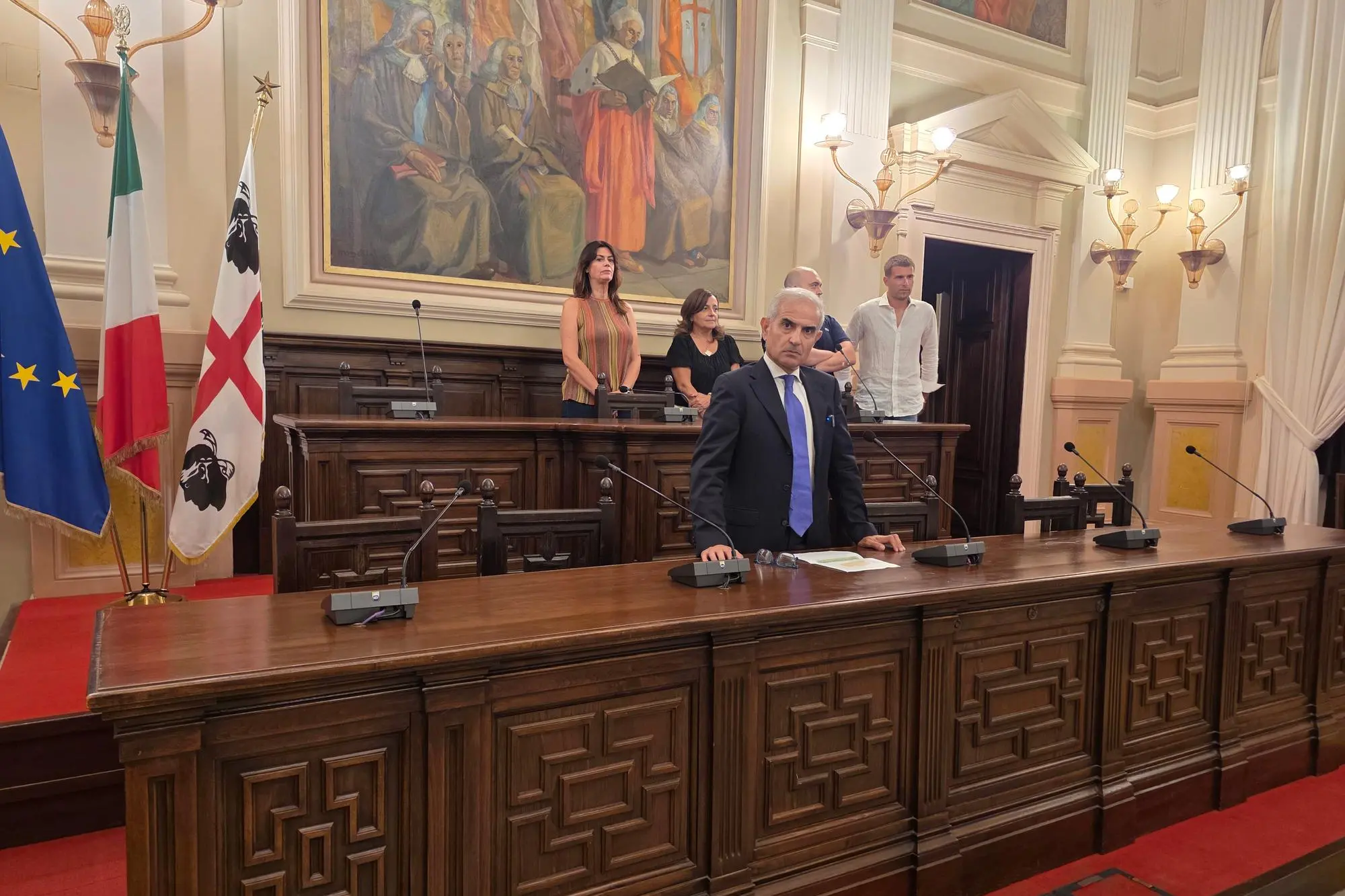
In Sardinia—where, due to demographic decline, schools have lost 5,600 students in just one year (35,000 in less than 10 years)—the numbers on foreigners are small, but the debate is heated. The first to speak out was Regional Councilor for Education Ilaria Portas: "The system we want includes clear guidelines and operational tools to support real inclusion. This is how we believe school management should be approached, not with discriminatory rhetoric. The 30% limit of immigrant students per class is nothing more than ideological propaganda. The crisis in inclusive education stems not from class heterogeneity, but from the system's chronic underfunding: we need structural resources, teacher training, specialized educators, and linguistic and cultural mediators."
THE FULL ARTICLE IN THE NEWSPAPER ON NEWSSTANDS AND ON THE Unione Digital App

 states: "Accessibility guaranteed, work already planned."")