

"Pale near the Domus de Janas, UNESCO recognition hangs in the balance"
Cesim, the certified research center, says, "Stop the projects."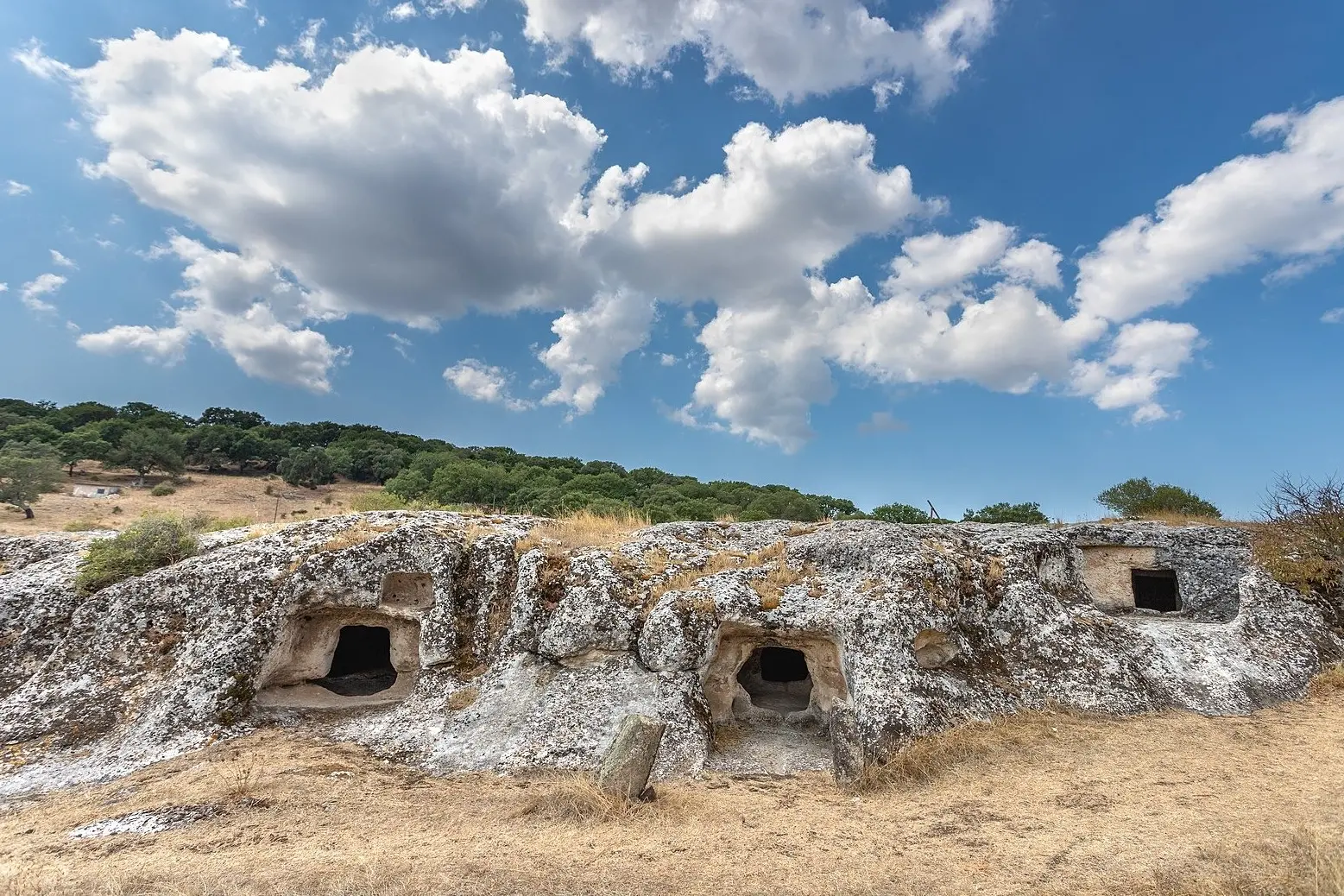
The archaeological site of Puttu Codinu
Per restare aggiornato entra nel nostro canale Whatsapp
"Withdraw, through self-regulation, the permits for wind and photovoltaic projects that violate the buffer zones of the domus de janas." The request is direct. Concise. Almost peremptory, because it is based on an evaluation mechanism that objectively measured the impact of wind turbines and panels on the pre-Nuragic funerary tombs, a World Heritage Site since 2025. The addressees of the request: the Region, the Ministry of the Environment (MASE), and the Superintendency for the National Recovery and Resilience Plan (NRRP), which is responsible for assessing the admissibility (or otherwise) of wind and photovoltaic farms. "The risk is that UNESCO will revoke the recognition," says Giuseppa Tanda, president of CESIM, the Center for the Study of Identity and Memory, which achieved its goal of certification by the UN agency a year ago.
The letters
CESIM sent two letters, given the institutions' differing roles: one was sent to the Region because it alone is responsible for evaluating renewable energy projects under 30 megawatts and issuing a single authorization for all others. For the rest—and this is the other letter—the MASE or the PNRR Superintendency are responsible: the former handles connection requests for 31 megawatts and above; the latter, which reports to the Ministry of Culture, has the specific role of examining projects submitted in conjunction with the National Recovery and Resilience Plan. But the call to step back applies to everyone, according to their respective responsibilities.