

Over 78,000 emergency services were called out this summer: 5,000 more than in 2025.
The air ambulance has taken off more than 800 times. Areus's CEO: "Demand is increasing, but arrival times remain largely stable."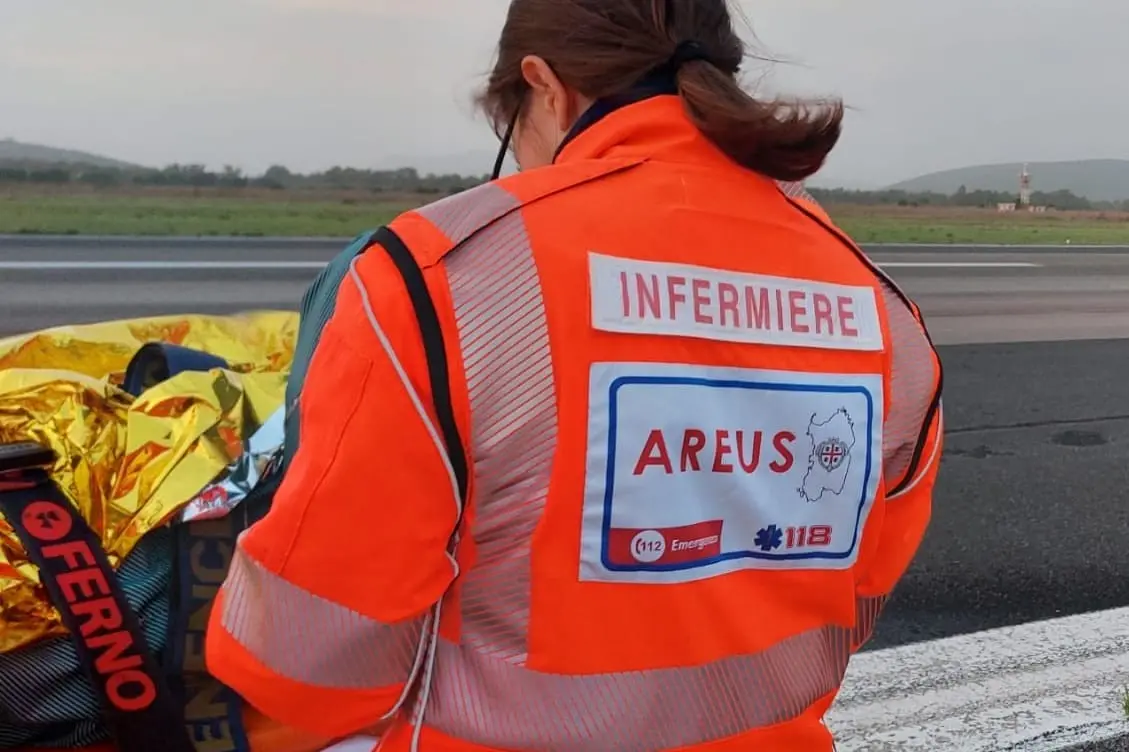
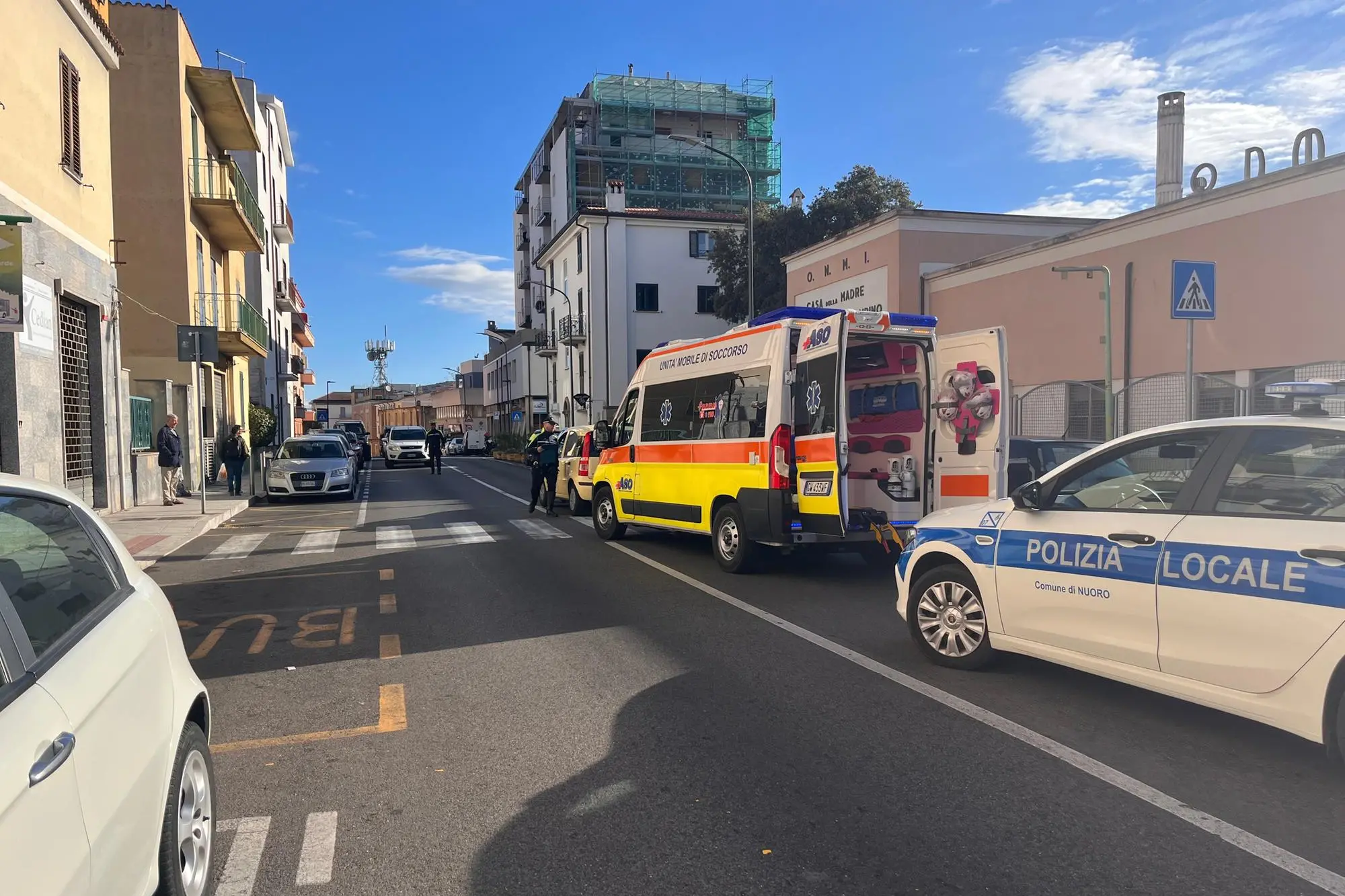
An intervention by 118
Per restare aggiornato entra nel nostro canale Whatsapp
From June 15th to September 30th, over 78,000 missions were handled by 118 in Sardinia. Demand for emergency services increased 22% compared to previous months, thanks to the strengthening of the local network in areas with the highest tourist influx.
This was revealed by the Regional Emergency Management Agency (AREUS) with the final data from the 2026 summer reinforcement plan, launched on June 15th with the aim of adapting the availability and distribution of emergency vehicles to the seasonal increase in demand, particularly during the months of July and August. Data from the 118 emergency response centers in Cagliari and Sassari confirm this trend.
In 2026, between January and the first half of June, the service received an average of 488 calls per day, rising to 596 during the summer, a 22.1% increase. A similar trend was observed in 2025, when calls increased by 18.7%, from 472 to 560 per day. This seasonal growth is compounded by a general increase in emergency calls in 2026 compared to the previous year, equal to 3.5% in the period from January to June 14 and 6.5% during the summer.
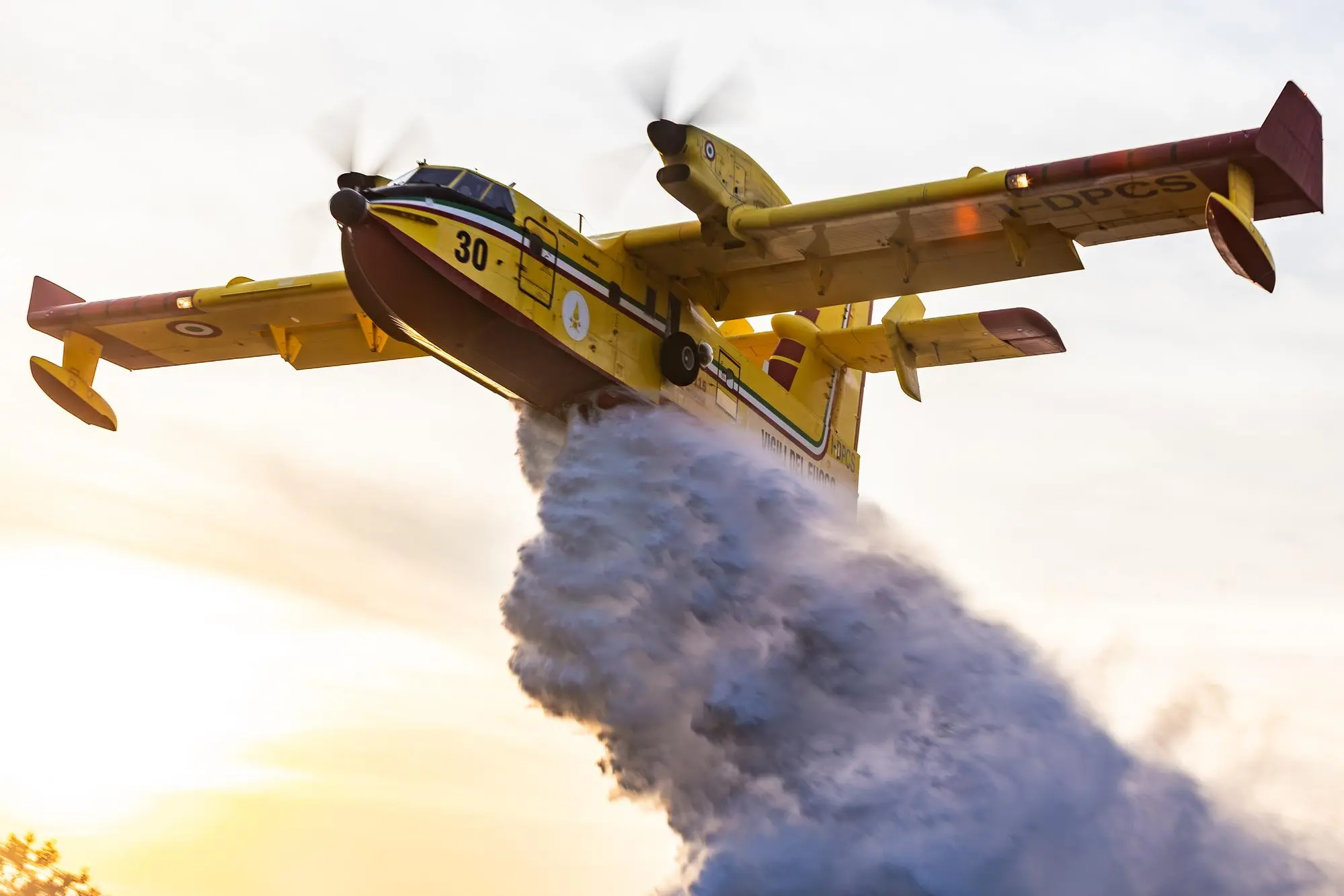
Overall, between June 15 and September 30, 2026, the Operations Centers managed 78,357 missions, approximately 5,000 more than the previous year. During the summer, air rescue services responded to 830 cases, including 40 interventions in particularly inaccessible locations. To meet this increased demand, the 2026 plan calls for strengthening the ordinary territorial network, which includes 198 basic rescue stations and 37 advanced rescue stations. During the summer, nine basic and five nursing stations were added, in addition to the temporary conversion of three basic stations into nursing stations and the extension of the hours of some existing stations.
The expansion, achieved thanks in part to collaboration with volunteer associations and affiliated social cooperatives, primarily focused on coastal areas and tourist destinations, with the goal of expanding the rescue network. The expansion included not only the number of vehicles available, but also the level of healthcare provided. During the summer, approximately 84% of missions were initially classified as medium-high criticality, based on information gathered during the call. This data highlights the importance of complementing basic vehicles with advanced equipment and healthcare personnel capable of responding to diverse healthcare needs.
"The summer 2026 budget confirms the importance of resource planning based on historical analysis of emergency requests and local characteristics," explains Areus Director General Angelo Maria Serusi. "Despite a significant increase in demand, the 118 system has maintained substantially stable arrival times, a result consistent with the objectives of the summer expansion and the need to adapt the emergency network to seasonal variations in care needs."
(Unioneonline)